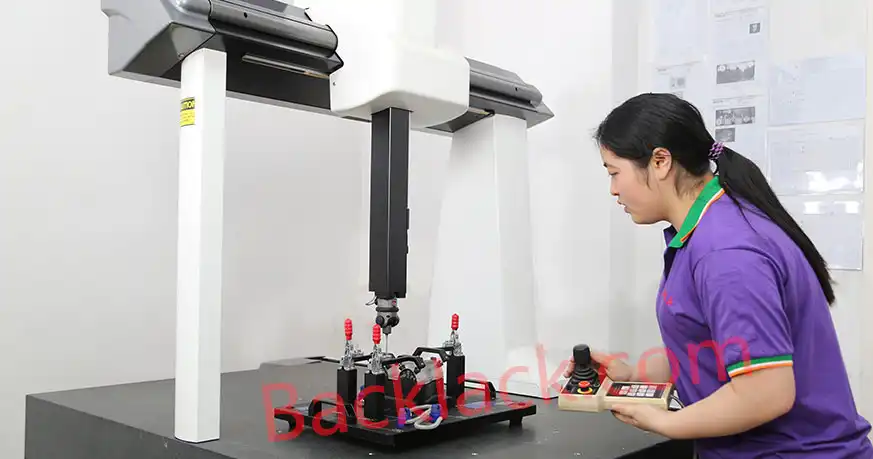
In the rapidly evolving humanoid robotics industry, public attention often centers on dexterous hand freedom, harmonic reducer gearboxes, or AI motion control algorithms. However, the physical foundation determining whether a robot can achieve precise dynamic response and high burst torque density lies deep inside its joint actuators: the Frameless Servo Motor Lamination set.
As a specialized Custom Motor Core Customization Factory, we frequently encounter the same critical DFM (Design for Manufacturability) bottleneck from robotics OEMs and joint motor engineers: How do we maximize output torque density and copper slot fill within severe, millimeter-level spatial constraints while keeping thermal dissipation, cogging torque, and core loss under absolute control?
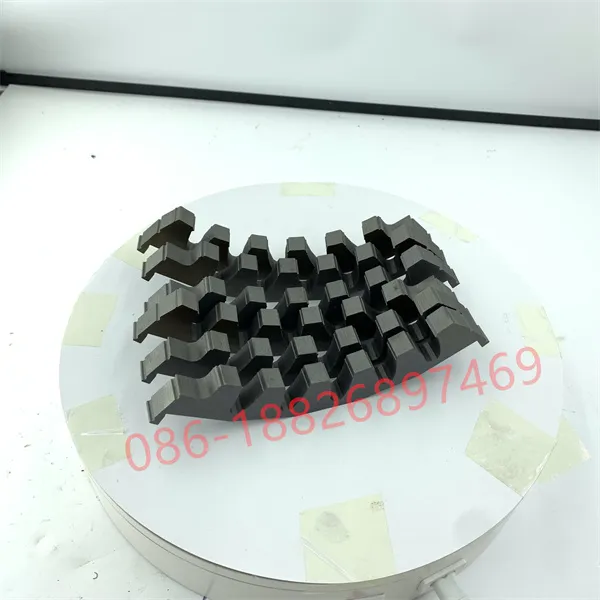
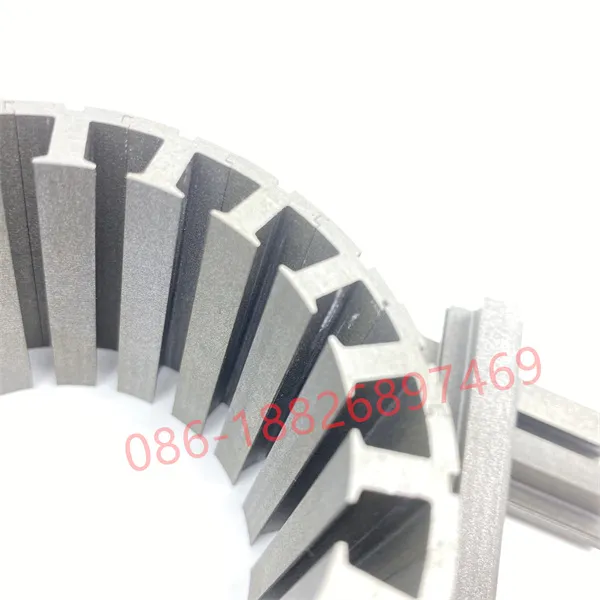
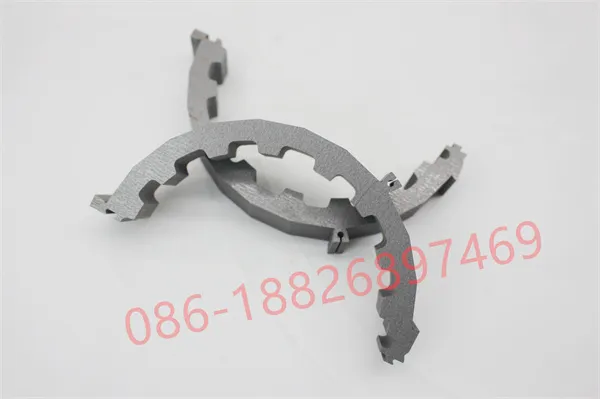
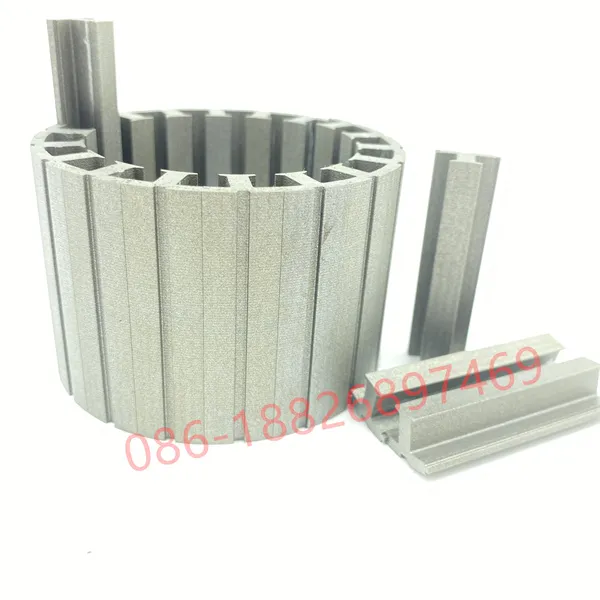
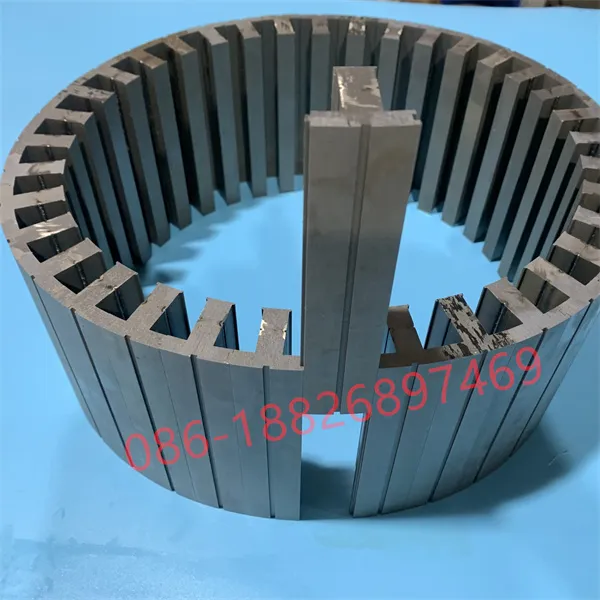
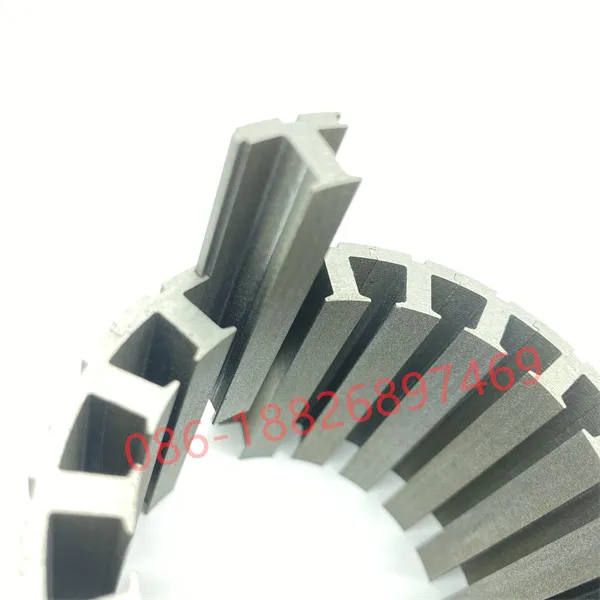
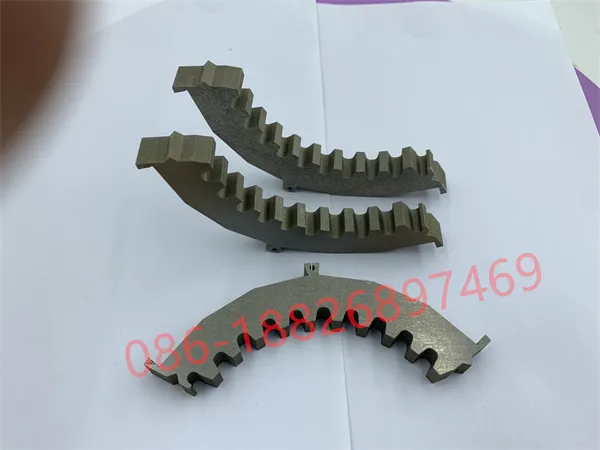
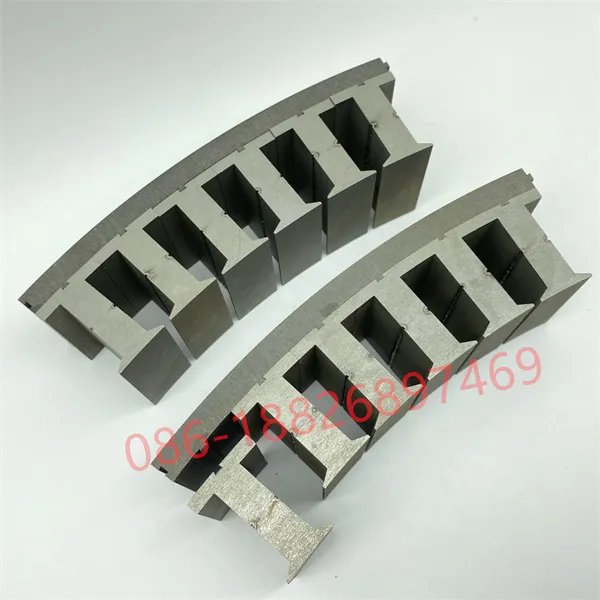
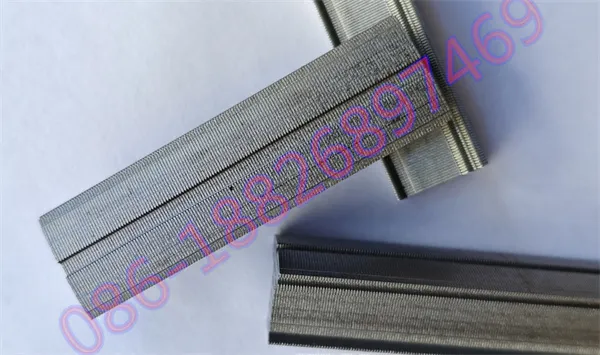
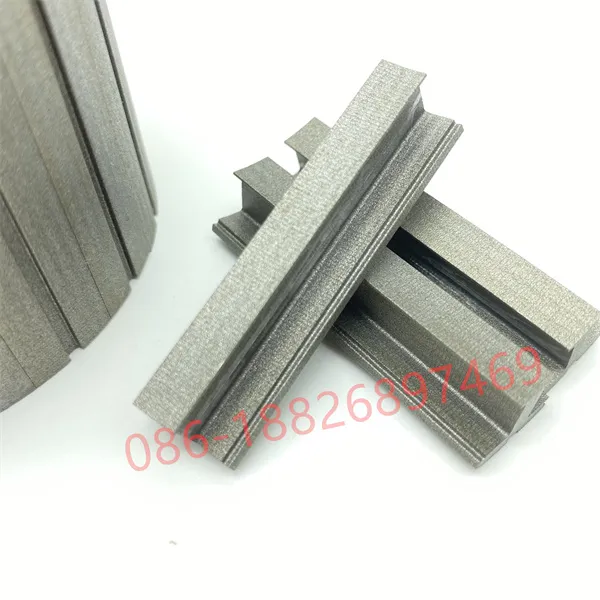
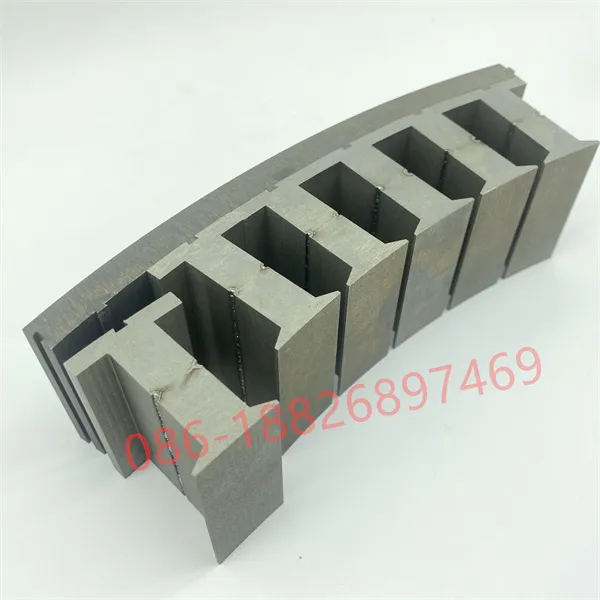
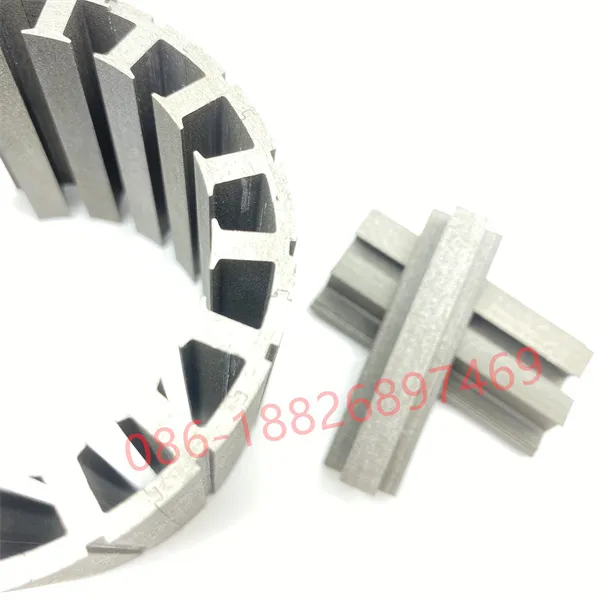
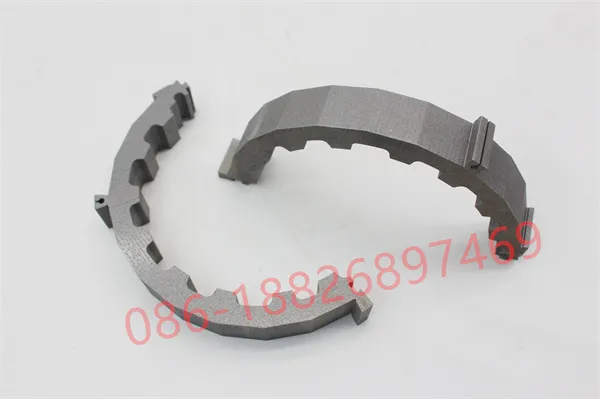
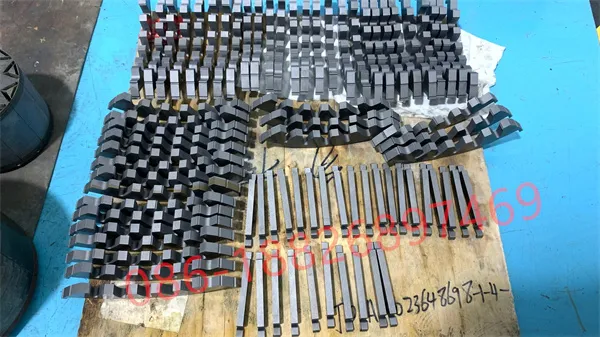
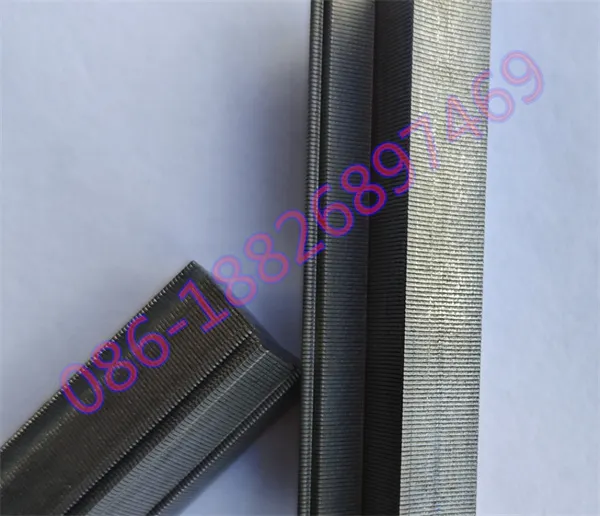
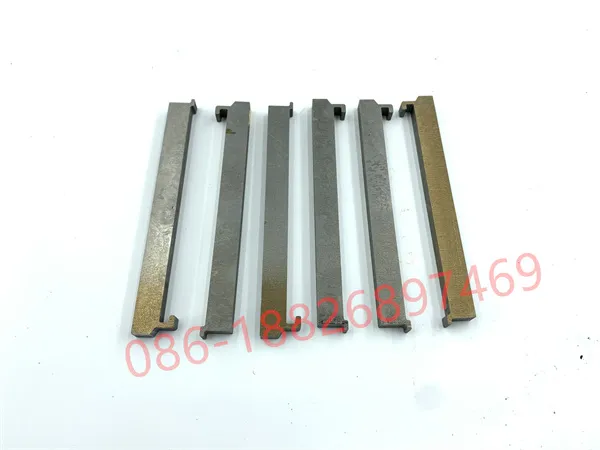
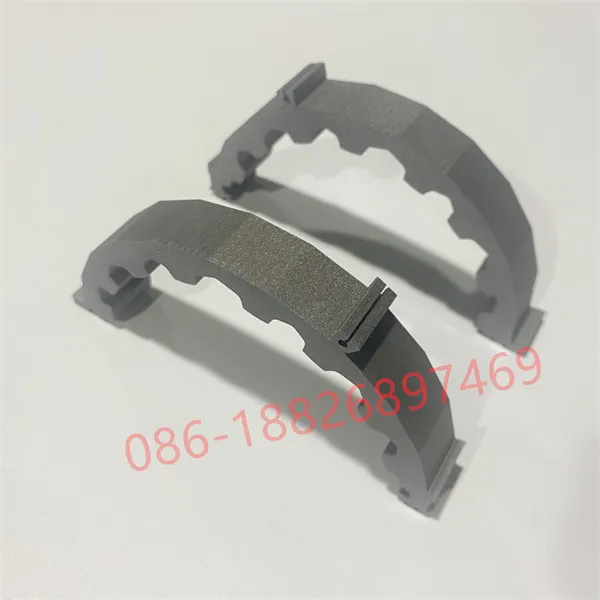
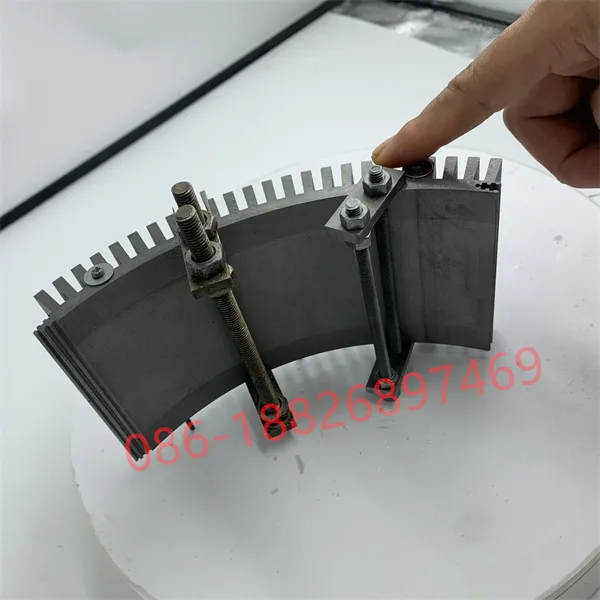
The ultimate answer for any High Torque Density Robotic Actuator lies in an advanced stator core architecture: a Robotic Segmented Iron Core(or Segmented Stator Core Assembly) paired with 0.10mm Ultra-Thin Silicon Steel and Backlack In-Mold Self-Bonding Stator technology.
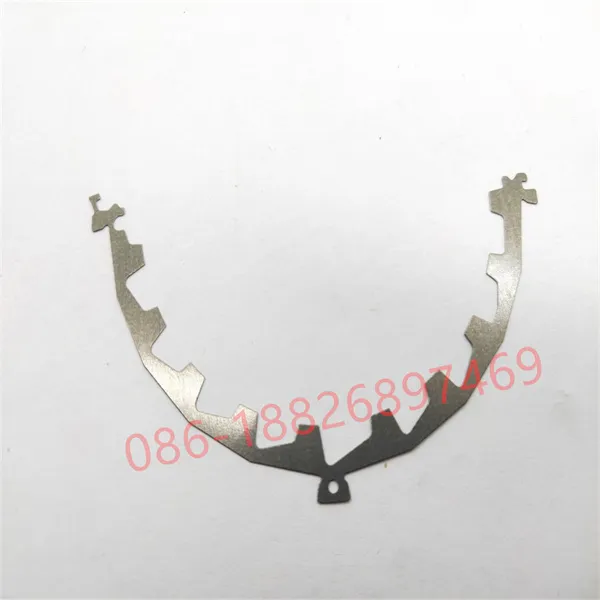
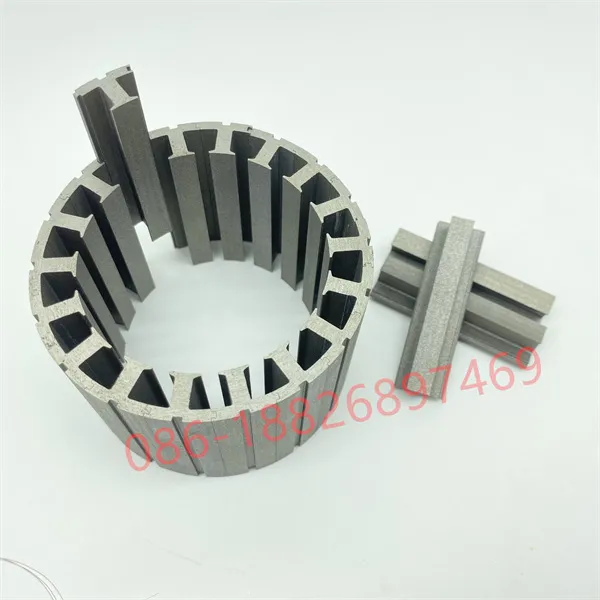
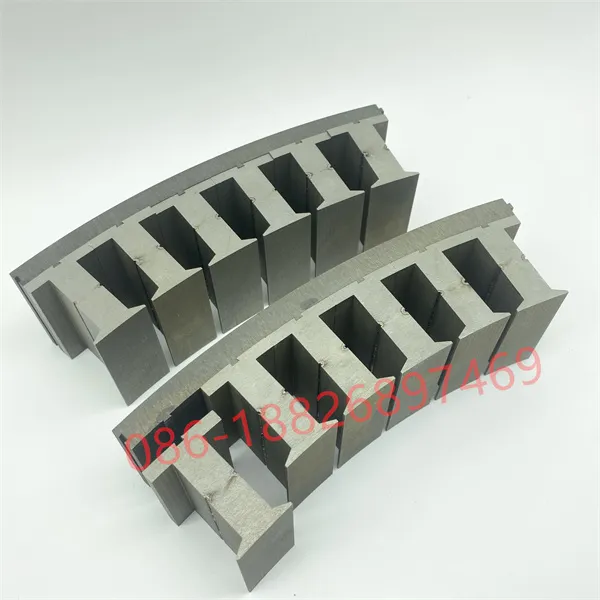
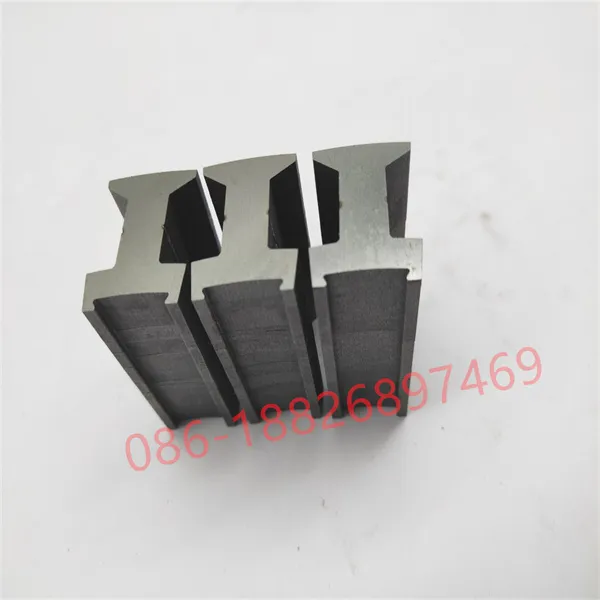
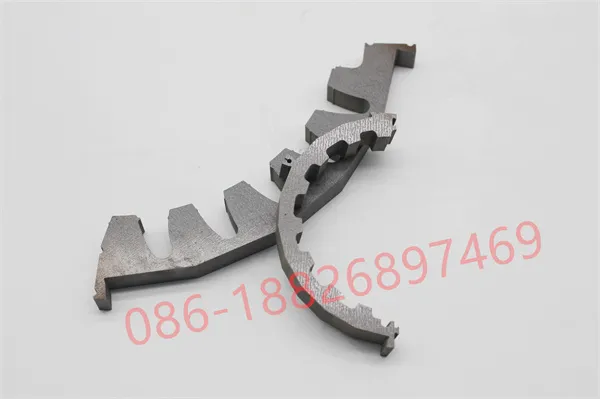
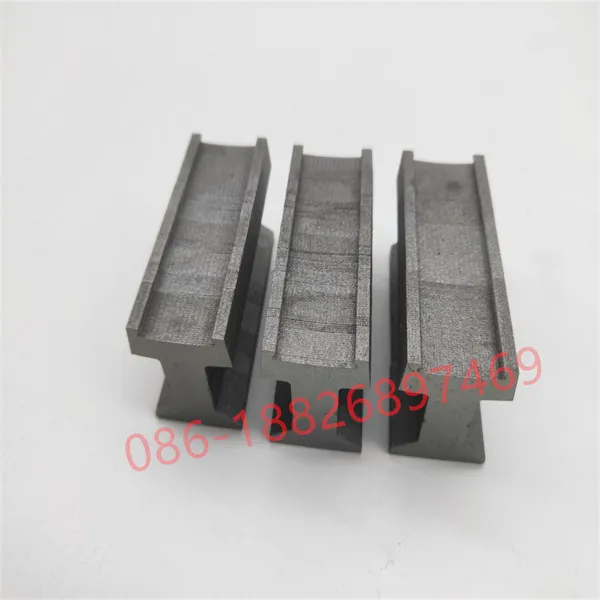
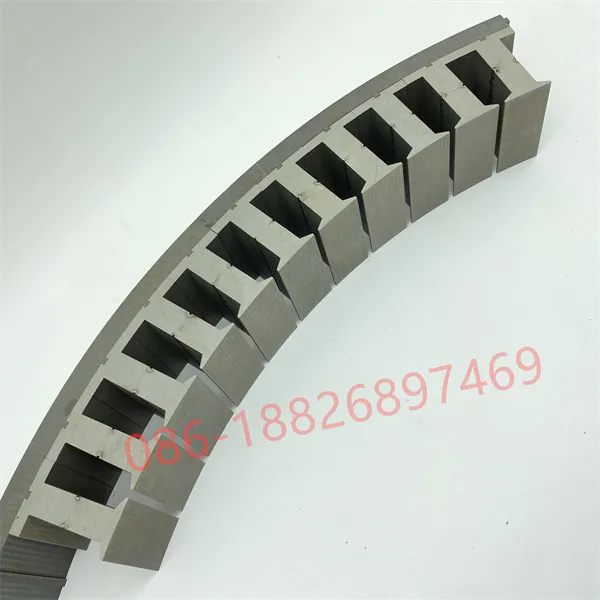
Traditional Continuous Ring Stators Are Bottlenecking Joint Performance
Rotary joint actuators, exoskeletons, and dexterous hand drive units demand extreme dynamic response across high PWM switching frequencies. Traditional single-piece continuous ring stator structures fall severely short under these compact, high-efficiency requirements:
- Severe Slot Fill Restrictions: Traditional needle winding must maneuver through narrow tooth slot openings, placing hard upper limits on copper wire gauge, coil packing density, and phase winding flexibility.
- Excessive Coil End-Turn Overhang: Continuous stator winding creates bulky, uncompact end-turns. This non-active copper overhang expands motor axial length, wastes internal housing space, and generates unwanted parasitic I²R copper losses.
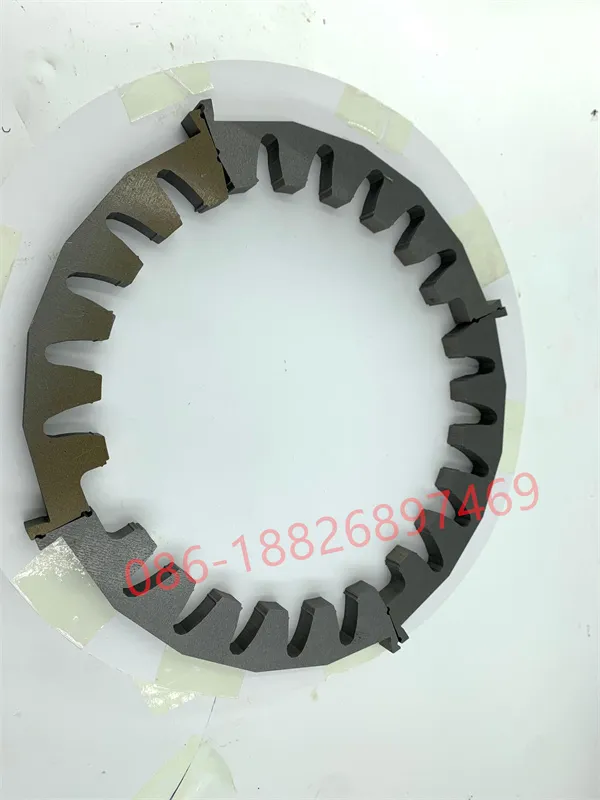
- Stamping Stress & Micro-Shorts: Stamping large, continuous ring geometries on ultra-thin electrical steel (0.05mm - 0.15mm) induces localized mechanical stress and micro-burrs, degrading native magnetic permeability and exacerbating high-frequency eddy current losses under rapid motor reversing.
Segmented Stator Cores: Technical Comparison
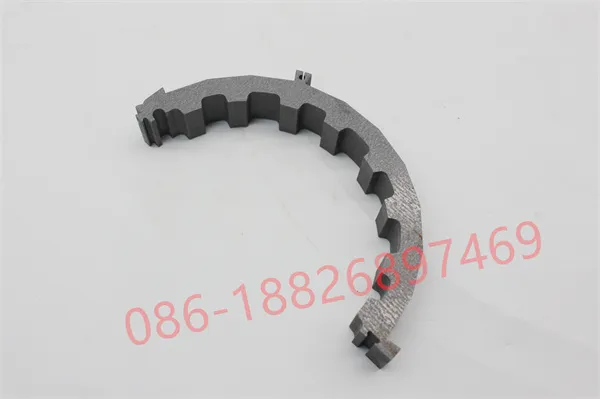
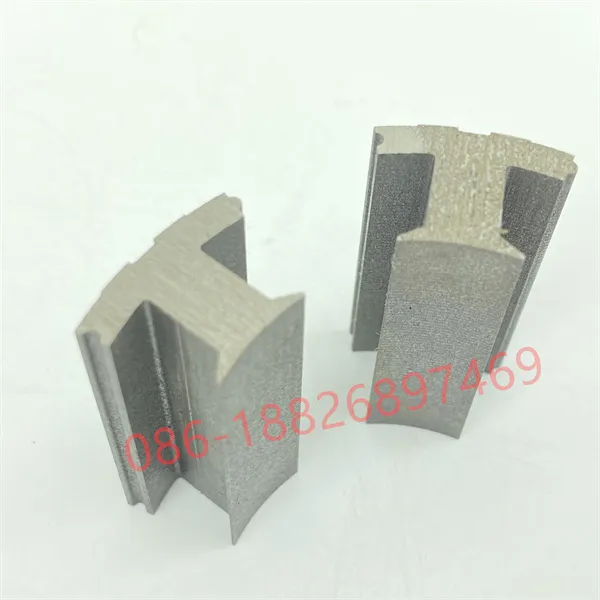
By splitting the stator into individual precision teeth or multi-tooth modular segments, we enable direct 90° open-tooth winding, maximize copper slot fill, and dramatically elevate continuous and peak torque density.
| Comparison Metric | Conventional Continuous Ring Stator | Modular Segmented Stator Core | Direct Benefit for Robot Actuators |
|---|---|---|---|
| Winding Accessibility | Restricted needle winding through tight slot openings | 90° open access for direct precision/flyer winding | Enables heavy rectangular/flat copper wire & perfect coil packing |
| Copper Slot Fill Factor | Typical 40% – 45% | 65% – 70%+ | Maximizes active copper volume = Drastically higher Torque Density |
| Coil End-Turn Length | Bulky end-turn overhang, high axial profile | Ultra-short, flat lay-flat end-turns | Minimizes total axial length for compact joint integration |
| Joule Heating & Copper Loss | High phase resistance (I²R) & heat accumulation | Reduced phase resistance & lower heat generation | Superior thermal dissipation under continuous high-load operations |
| Assembly Concentricity | Standard continuous ring accuracy | ≤ 0.008 mm – 0.01 mm | Matches continuous ring tolerance while achieving low cogging torque ripple |
Key Advantages for Next-Gen Robotics
1. High Slot Fill Factor Stator Core Technology
Individual segment manufacturing allows tooth cores to be wound independently on specialized high-precision winding spindles prior to core assembly. Achieving a High Slot Fill Factor Stator Core (from standard 40%–45% up to 65%–70%+) directly reduces phase resistance, allowing higher current throughput and maximum torque output within the exact same frame footprint.
2. Compact Footprint for Humanoid Robot Joint Actuator Motor Cores
Humanoid elbow, shoulder, and knee joints operate under severe axial depth constraints. Installing a dedicated Humanoid Robot Joint Actuator Motor Core with segmented single-tooth coils flattens end-turn crossings, shrinking total stack length while cutting parasitic copper losses and thermal buildup.
3. Stress-Free Magnetic Performance for Low Cogging Torque Stator Cores
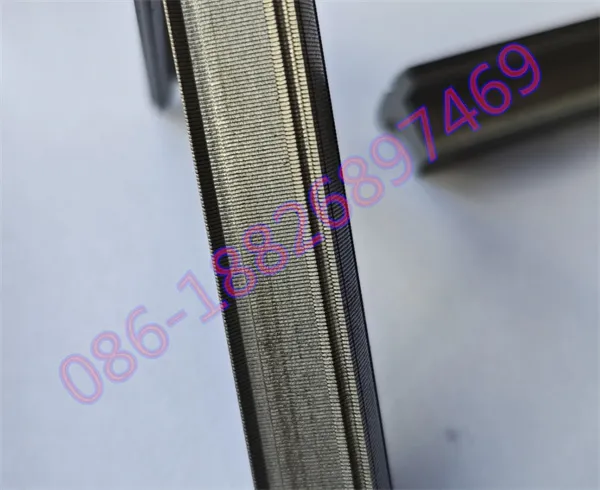
Combining Robotic Segmented Iron Core structures with Low-Stress Wire EDM Motor Core Prototyping and Backlack self-bonding avoids the localized lattice strain caused by traditional interlocking dimples or laser welding beads. The resulting symmetrical magnetic flux path eliminates local reluctance fluctuations, delivering a true Low Cogging Torque Stator Core for whisper-smooth positioning control.
Precision Assembly & Interlock Technologies
Designing a Segmented Stator Core Assembly is only half the battle; locking those independent teeth together into a monolithic ring without sacrificing magnetic continuity or mechanical rigidity under heavy impact loads is where manufacturing expertise determines success:
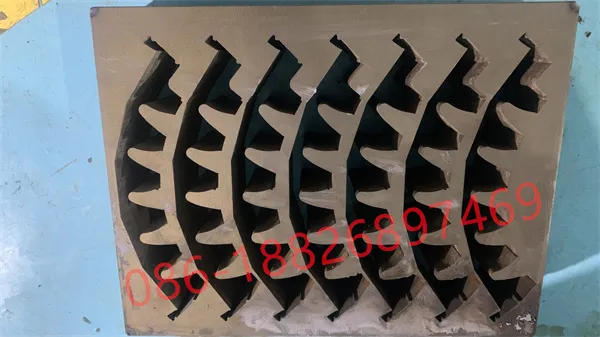
- Dovetail & Puzzle Key Joints (Interlock Stamping): Precision-stamped locking tabs integrated directly into progressive lamination dies allow interlocked segments to press-fit into a mechanically rigid ring capable of withstanding extreme torsional shock loads.
- Backlack In-Mold Self-Bonding Stator Technology: For high-frequency humanoid joint applications where rivets or welding induce magnetic shorting and vibration, we process a Rivet-Free Lamination Stack using pre-coated self-bonding silicon steel (0.05mm - 0.20mm). Teeth are fused under controlled heat and dynamic pressure inside specialized fixtures, forming a Backlack In-Mold Self-Bonding Stator with shear strength ≥ 12 MPa.
Custom Manufacturing & Quality Control Capabilities
As a leading Custom Motor Core Customization Factory, Youyou Company enforces strict process controls across thin-gauge electrical steel processing and segmented stack assembly:
| Parameter | Factory Standard Specification | High-Precision / Custom Grade |
|---|---|---|
| Lamination Thickness | 0.15 mm - 0.35 mm | 0.05 mm - 0.10 mm (0.10mm Ultra-Thin Silicon Steel) |
| Material Options | Non-oriented & Grain-oriented Silicon Steel | Cobalt-Iron (Vacodur 49 / 1J22), Nickel-Iron (1J50) |
| Joining Method | Laser Welding, Interlock Stamping | Backlack Self-Bonding, In-Mold Curing |
| Slot Fill Factor Potential | 55% - 62% | >68% (Direct single-tooth winding) |
| Assembly Concentricity | ≤ 0.02 mm | ≤ 0.008 mm - 0.01 mm |
| Burr Height Control | ≤ 0.01 mm | ≤ 0.005 mm (Micro-burr control) |
| Prototyping Lead Time | 5 – 7 Working Days (Low-Stress Wire EDM Motor Core Prototyping) | 3 – 4 Weeks (Progressive Hard Tooling Batch) |
About Youyou Company
As a specialized core lamination manufacturer, Youyou Company provides advanced lamination solutions engineered to solve torque density, thermal management, and slot fill bottlenecks in next-generation humanoid robot joint actuators, high-torque frameless motors, and compact servo drives. By integrating precision 0.10mm Ultra-Thin Silicon Steel stamping with Low-Stress Wire EDM Motor Core Prototyping, Backlack In-Mold Self-Bonding Stator technology, and Segmented Stator Core Assembly, we empower robotics OEMs and joint motor engineers across North America and Europe to build high-power-density, low-cogging, and ultra-compact motor cores that perform — in the lab and on the robot.
Ready to Push Your Humanoid Robot Actuator to the Next Level with Segmented Iron Cores?
Submit your motor design specifications or lamination drawings for a comprehensive Segmented Stator Core Feasibility Assessment, Backlack bonding consultation, or rapid prototyping (5–7 days lead time via Low-Stress Wire EDM).