Why High-End Motors Must Evolve Past Traditional Silicon Steel
Currently, 95% of consumer-grade and industrial-grade motors on the market utilize 0.2mm or 0.35mm silicon steel sheets as core substrates. While cost-effective for standard operating conditions, they present three critical shortcomings in high-frequency, high-saturation, and lightweight applications:
- Low Magnetic Saturation Ceiling: Conventional high-grade silicon steel features a saturation flux density of only 1.5 T ~ 1.8 T. Under heavy loads or ultra-high speeds, magnetic saturation occurs rapidly, capping power output and preventing sustained high-torque delivery.
- Constrained Power Density: Traditional methods to boost motor thrust and torque rely on increasing core volume or stacking thickness. This directly contradicts the micro-weight and compact footprint demands of cutting-edge applications.
- Elevated High-Frequency Core Losses: At operating frequencies above 1 kHz, even ultra-thin silicon steel suffers substantial eddy current losses, leading to severe thermal buildup and severe power degradation over long periods of aggressive operation.
The introduction of VACODUR 49 Cobalt-Iron alloy solves these native limitations from the material level.
Overcoming Supply Chain Bottlenecks: To eliminate long material lead times and prototype delays for R&D teams, our factory maintains a perpetual, extensive stock of Vacodur 49 and JFE 10JNEX900 ultra-thin electrical steel. We provide instant support for sampling, quick iterations, and mass production without waiting for overseas material schedules.
VACODUR 49 Core Properties: The Ultimate Soft Magnetic Solution
VACODUR 49 is a high-end Cobalt-Iron soft magnetic alloy from German VAC, featuring an optimal blend of 49% Cobalt and 2% Vanadium. It stands as one of the highest-performing commercial soft magnetic materials for extreme motor designs.
Ultra-High Saturation Flux Density Eliminates Capping
VACODUR 49 delivers an unparalleled saturation flux density of 2.2 T ~ 2.35 T, vastly exceeding the limits of top-grade electrical steel. Higher flux density implies that for the same core volume, the motor can sustain significantly stronger magnetic fields, translating to greater torque and thrust. It remains free from catastrophic power fade under high-load, high-frequency conditions.
Adjustable Mechanical Strength for Integrated Stator-Rotor Processing
A major manufacturing advantage of this material is that its yield strength can be precisely tuned within a wide range of 210 MPa to 400 MPa via vacuum annealing. This allows us to stamp stator and rotor blanks from the exact same batch of Co-Fe strip, and then apply differentiated heat treatments to achieve optimal magnetic permeability for the stator and maximum mechanical yield strength for the high-speed rotor.
Low Coercivity & Minimal High-Frequency Loss
Compared to common silicon steel, VAC Co-Fe alloys exhibit lower coercivity, which drastically minimizes hysteresis loss. Combined with 0.1mm ~ 0.2mm ultra-thin substrate shaping, both eddy current and hysteresis losses are heavily optimized, keeping motor thermal profiles remarkably low during violent, prolonged high-speed operation.
Extreme Lightweighting & High Integration
Capitalizing on its high magnetic saturation, a Co-Fe core can shrink a motor's core volume and weight by 20% to 30% compared to traditional silicon steel while maintaining identical power and thrust output. This perfectly suits the rigorous weight restrictions of eVTOL and micro medical surgical units.
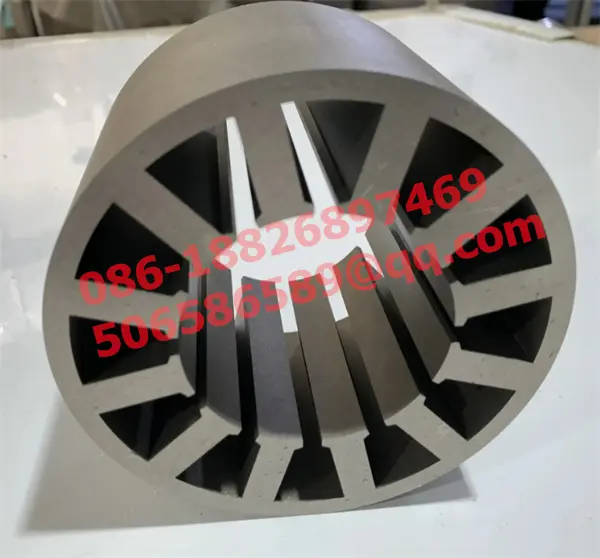
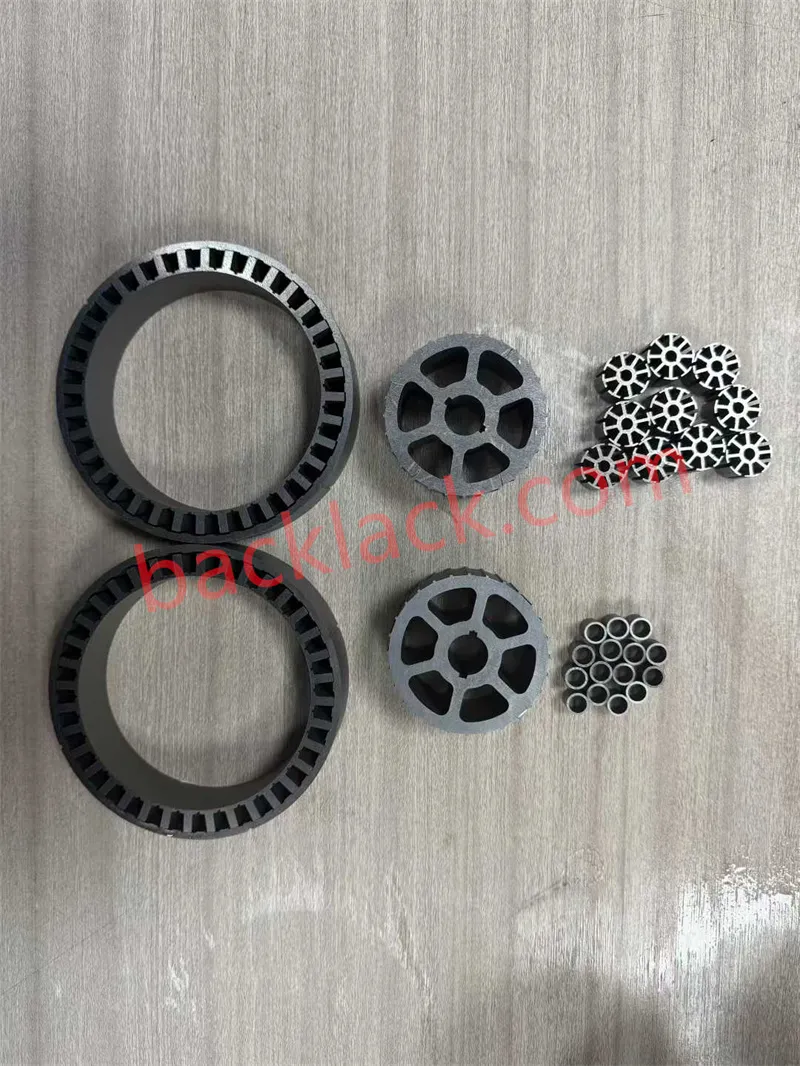
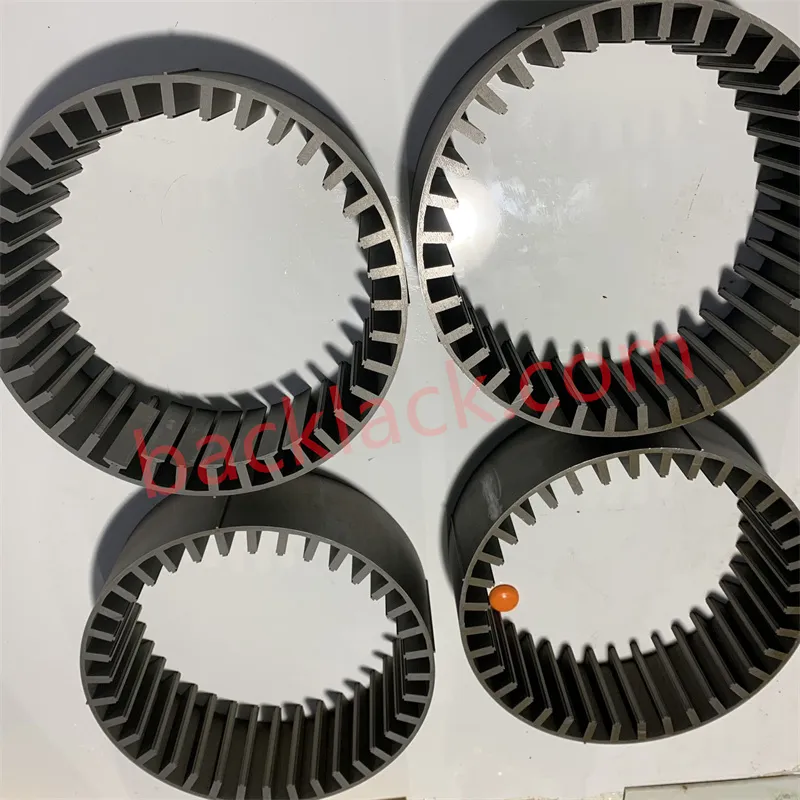
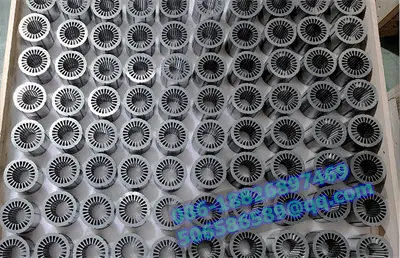
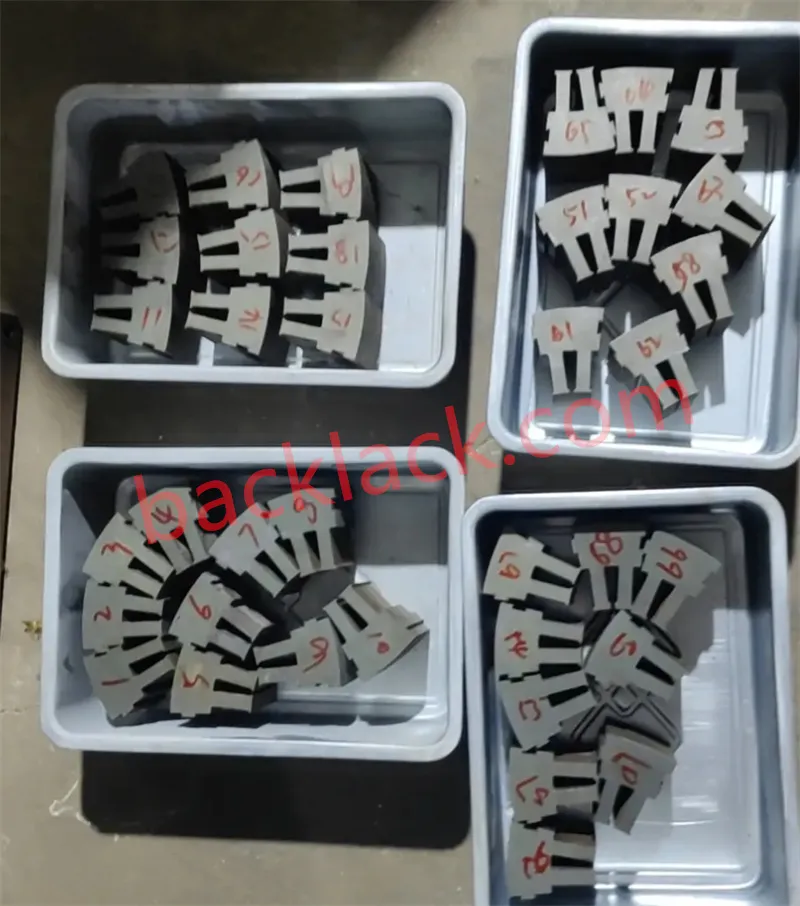
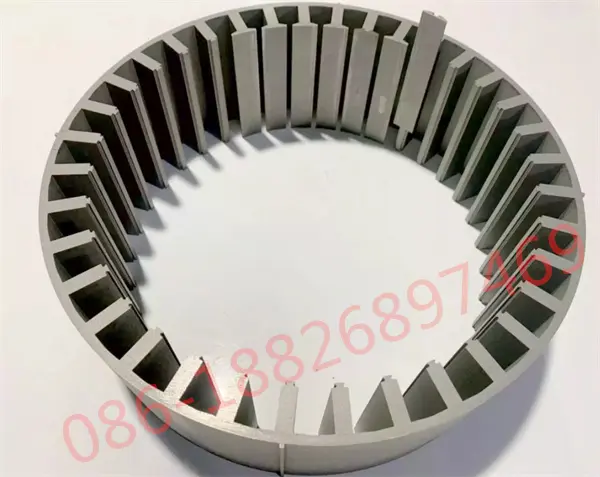
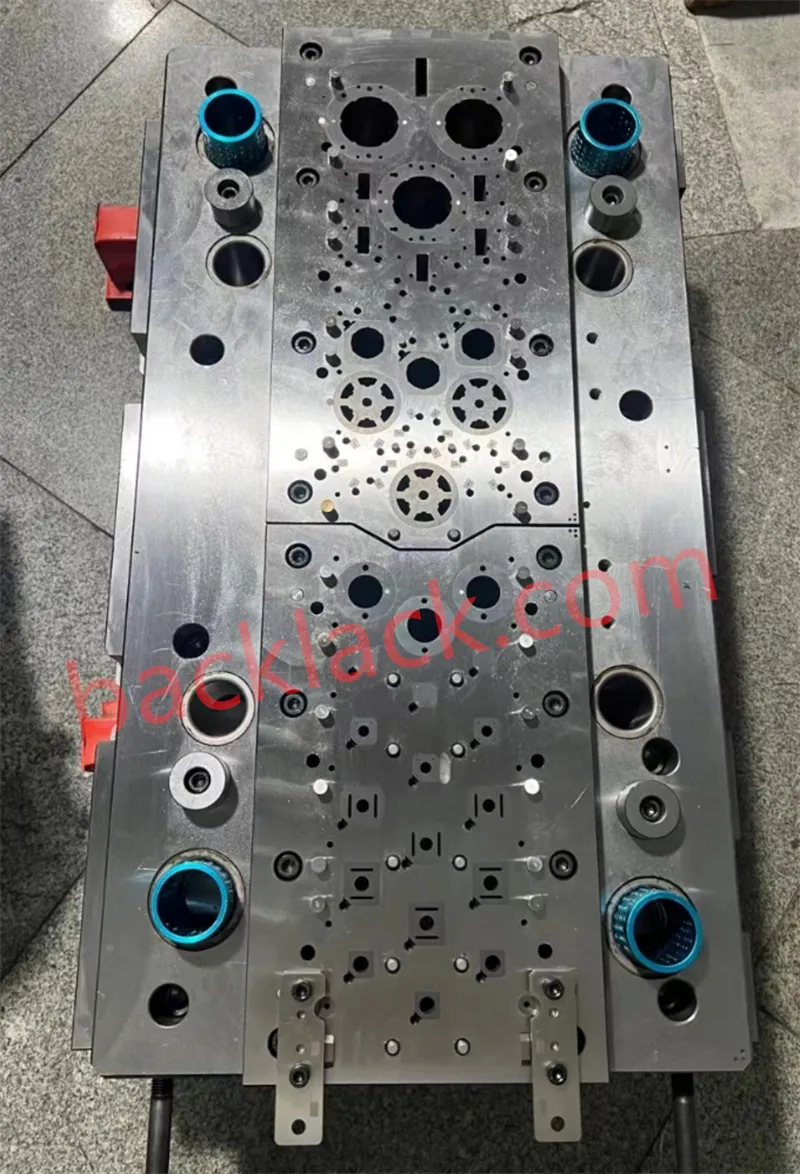
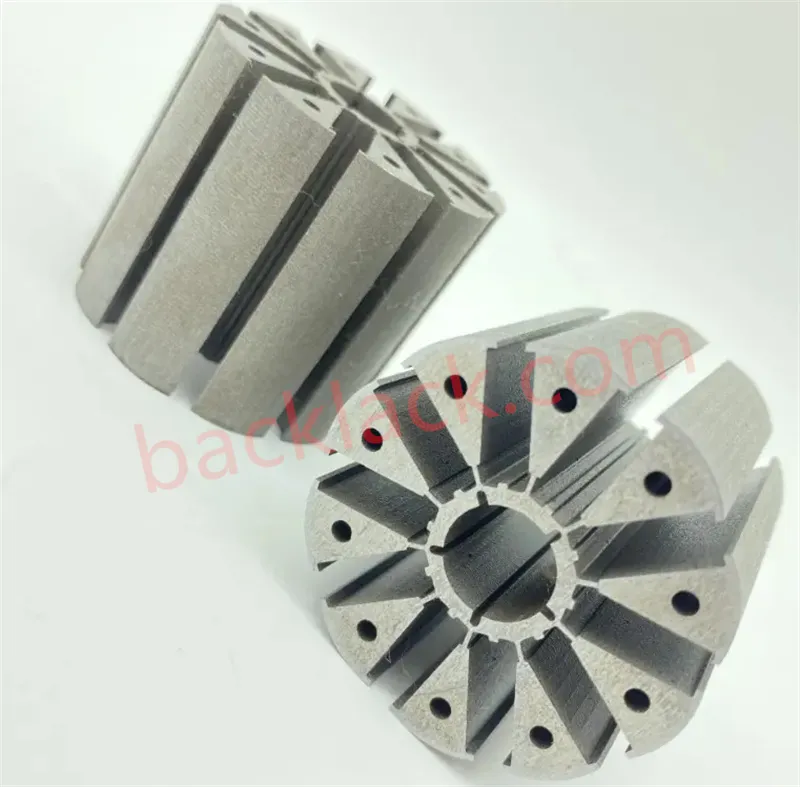
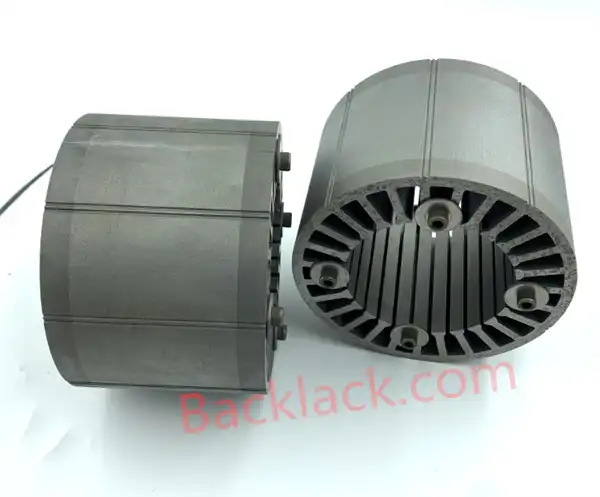
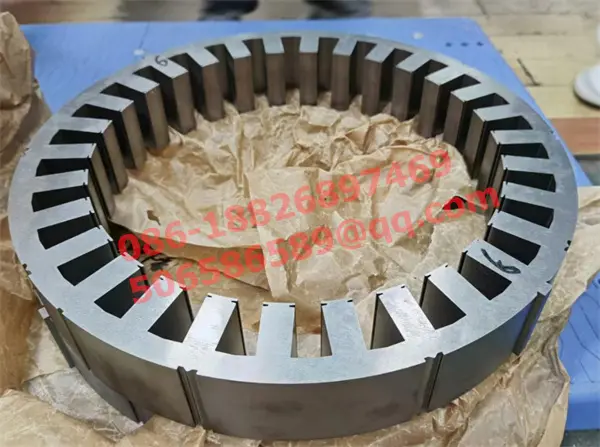
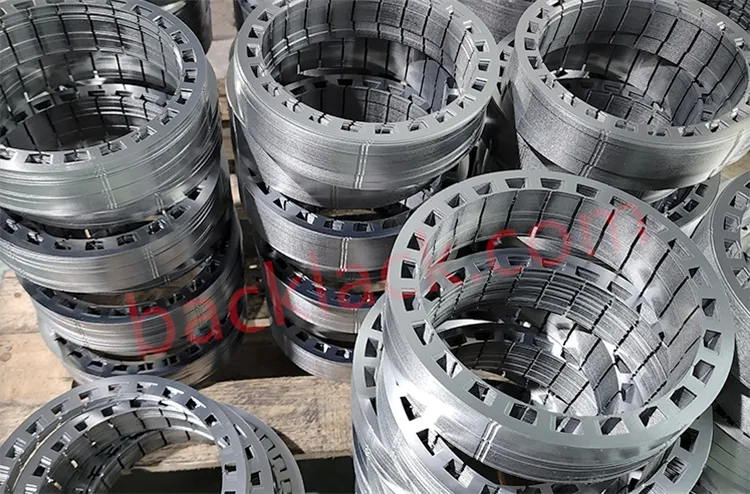
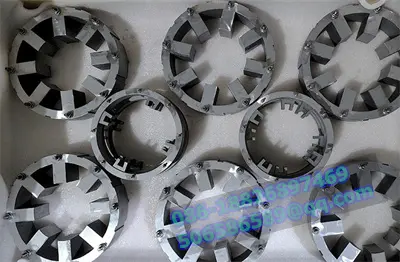
Advanced Lamination Technology: Releasing 100% of the Material's Potential
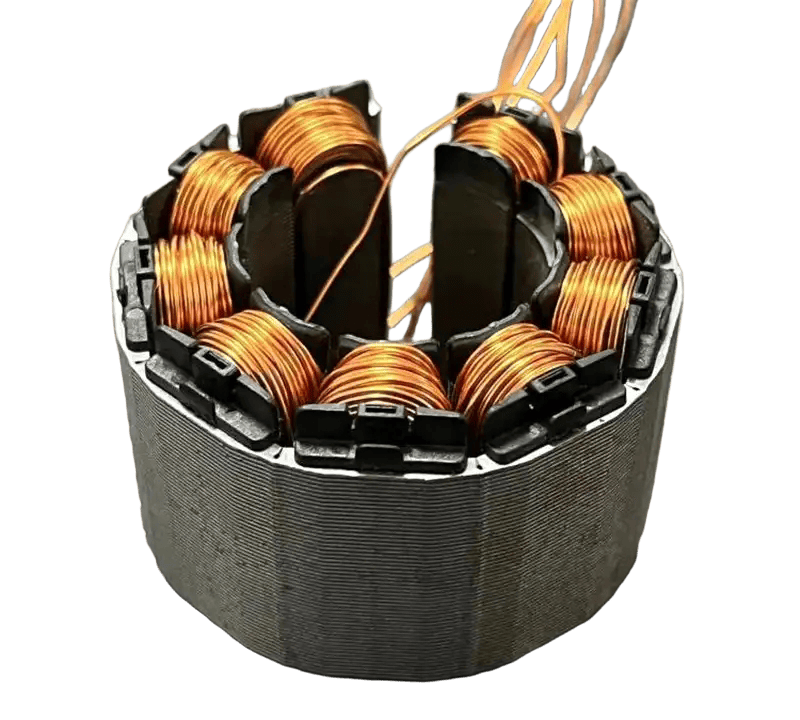
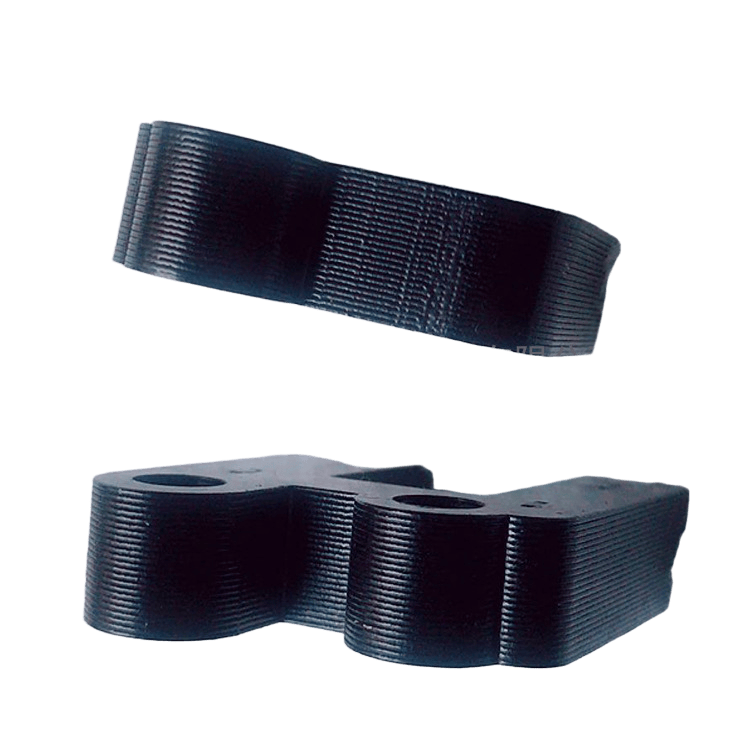
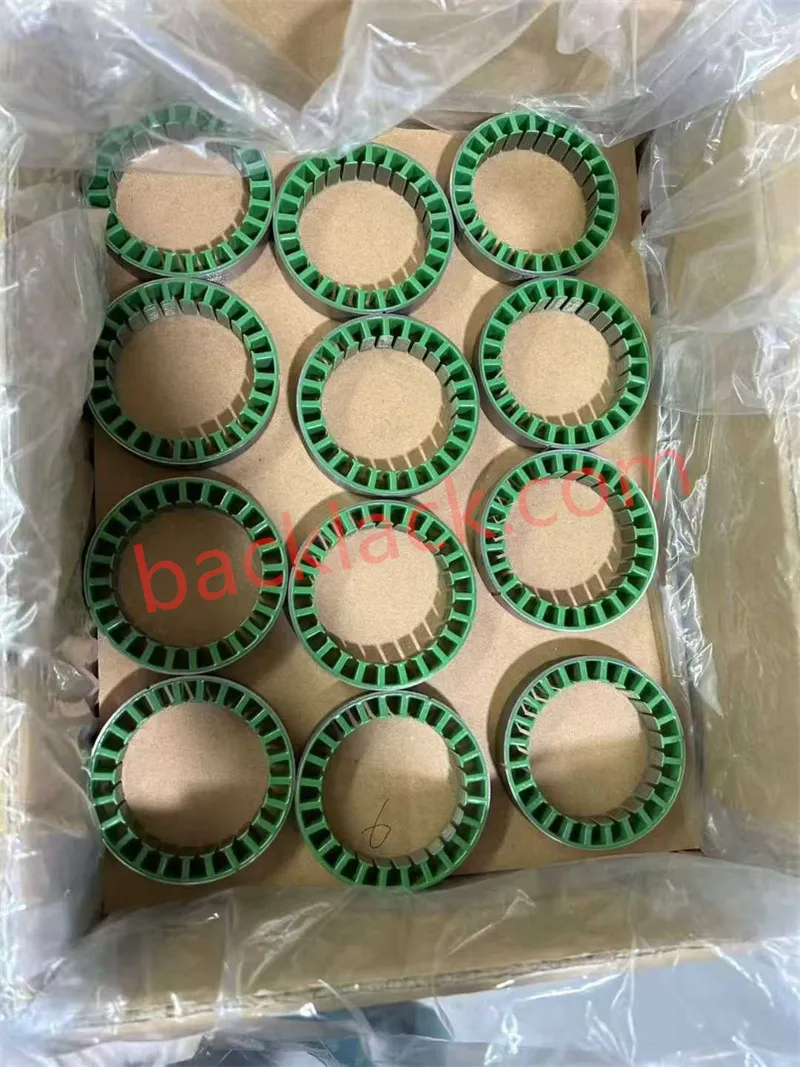
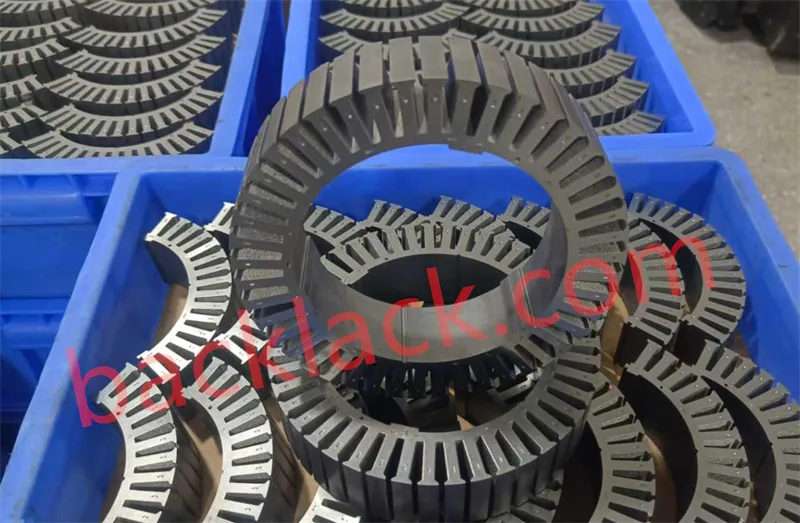
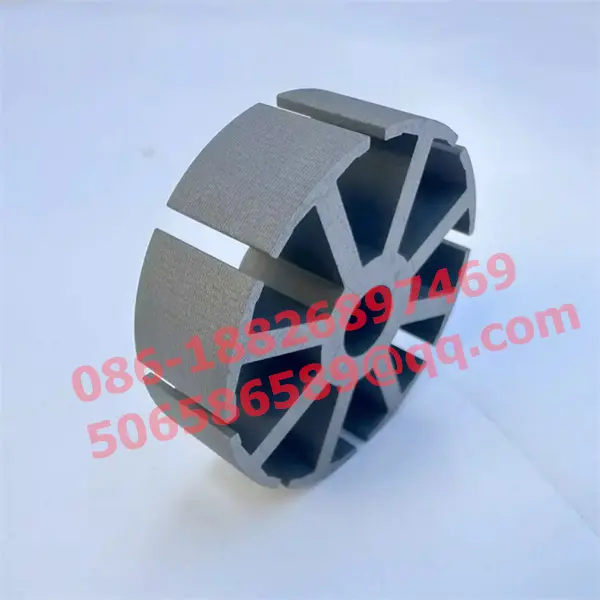
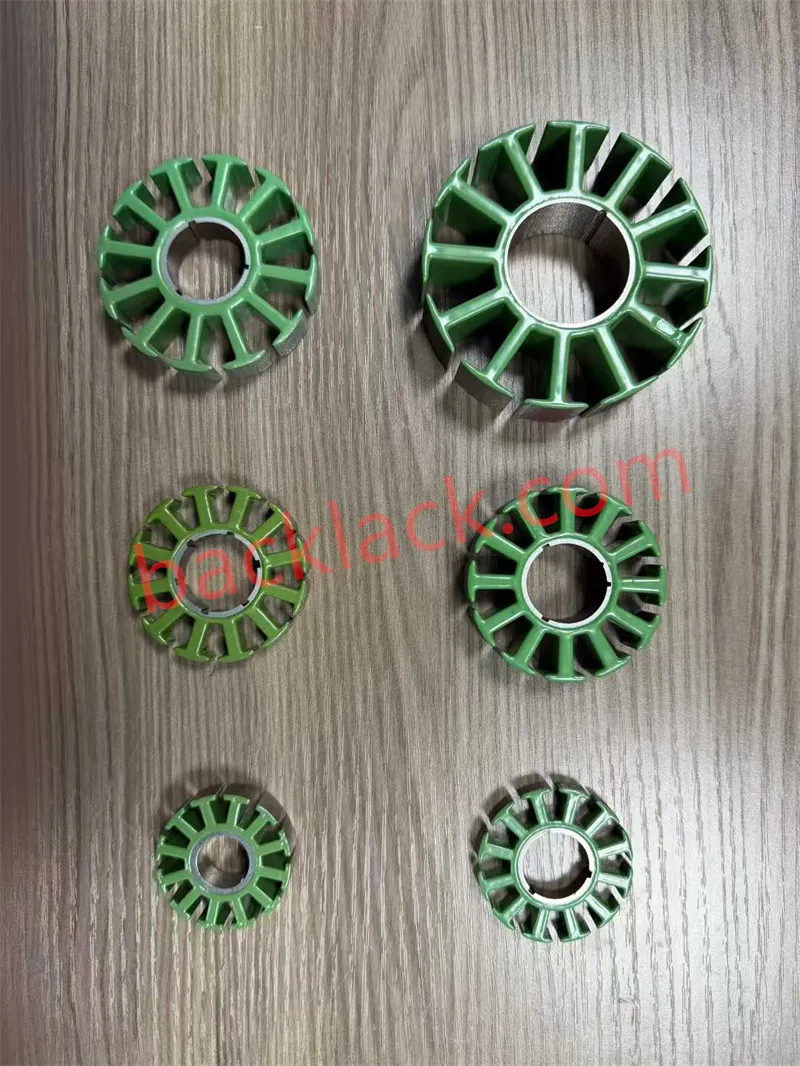
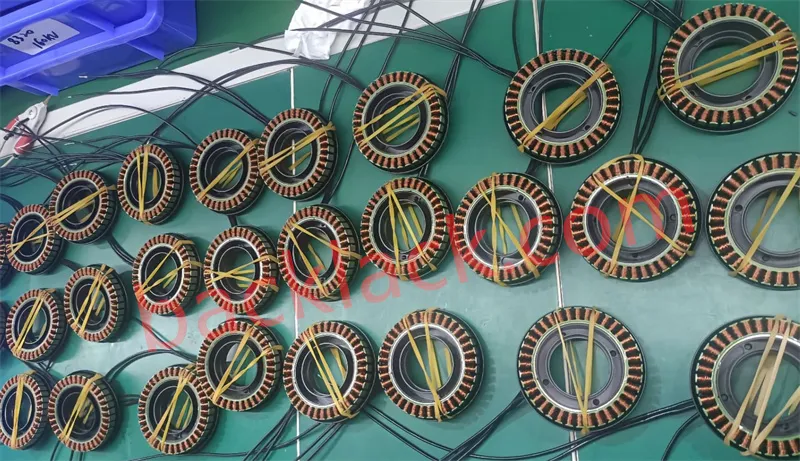
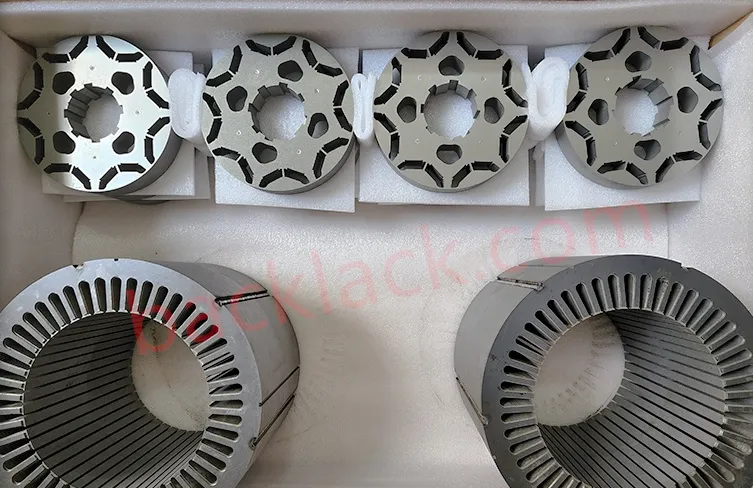
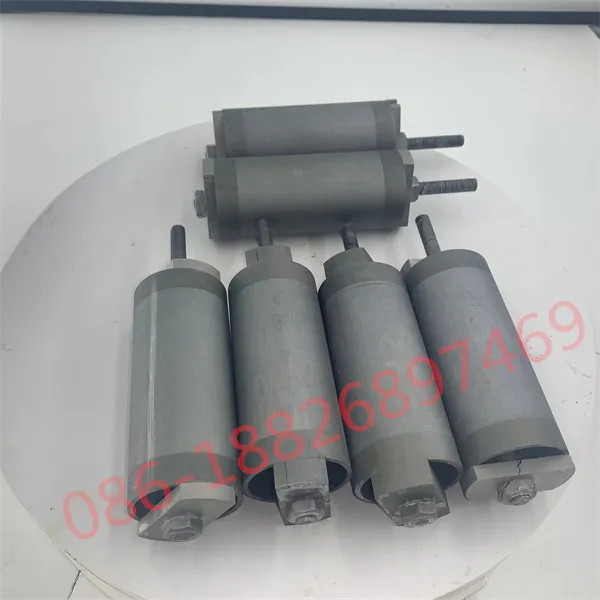
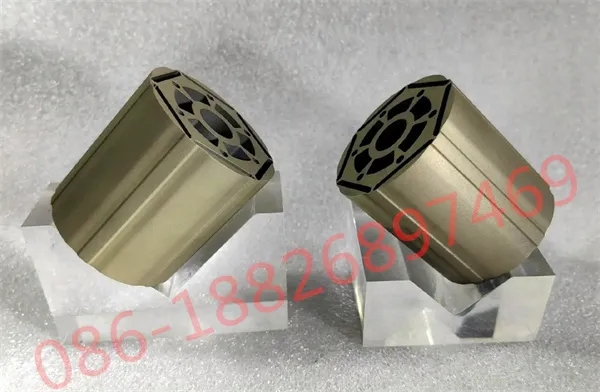
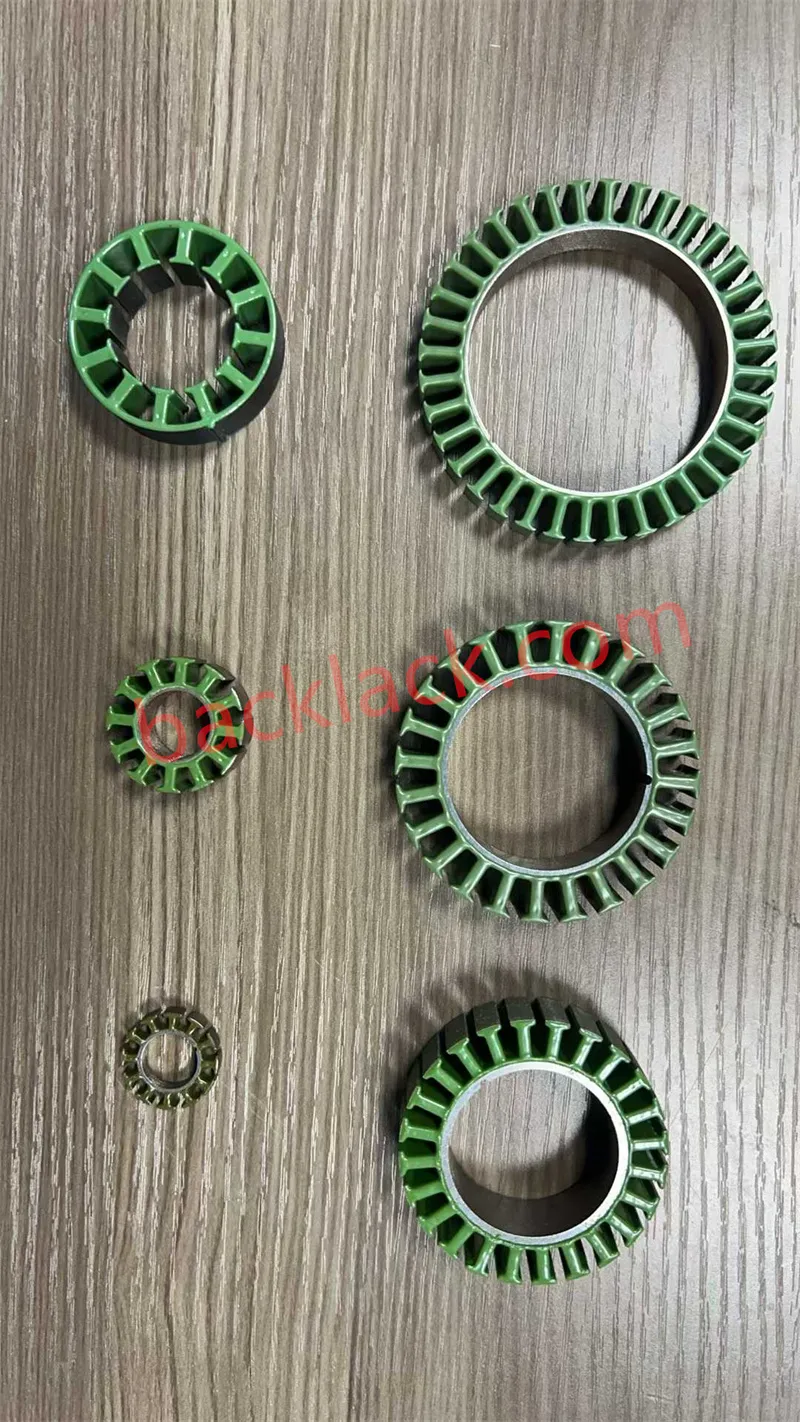
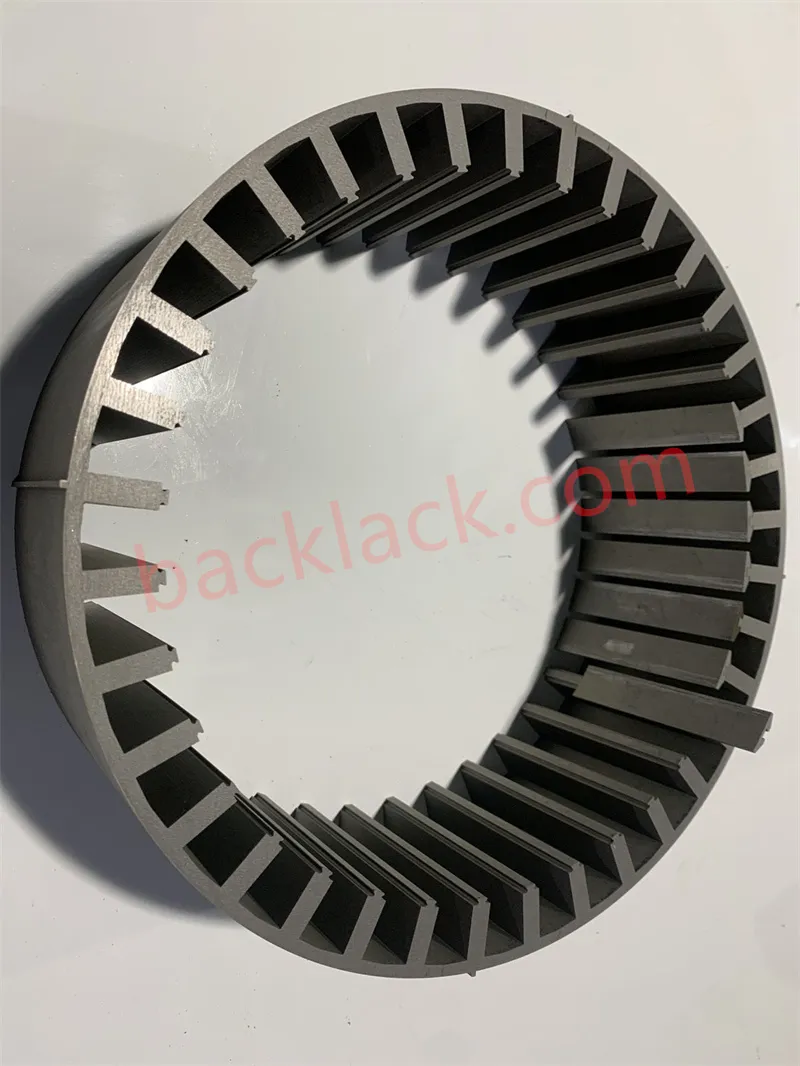
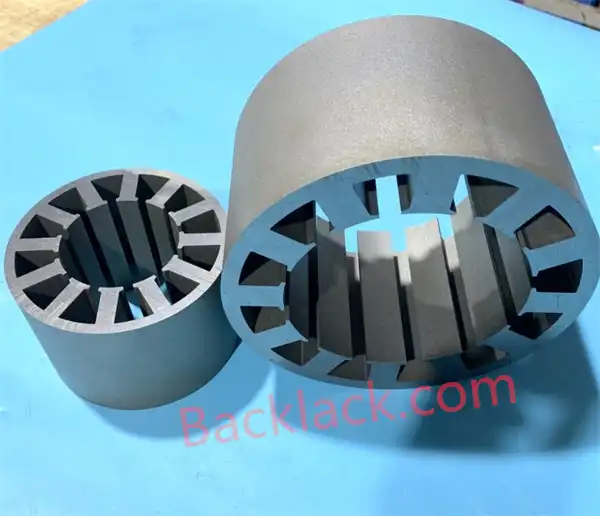
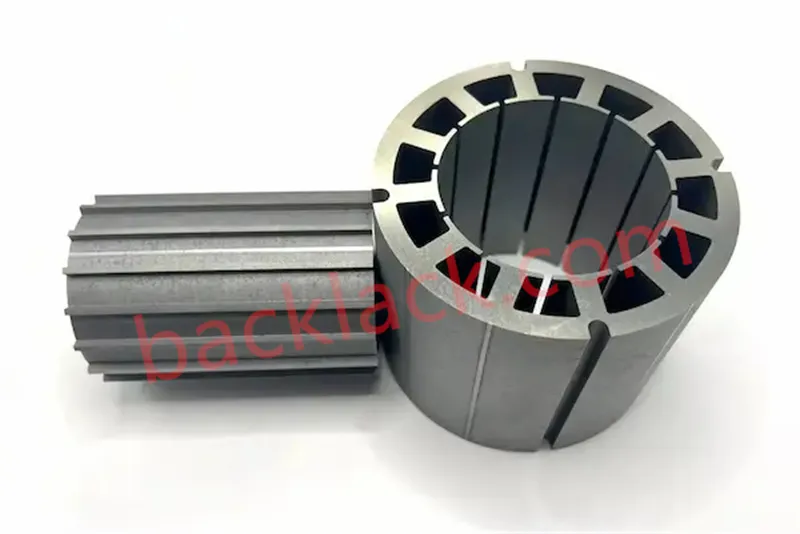
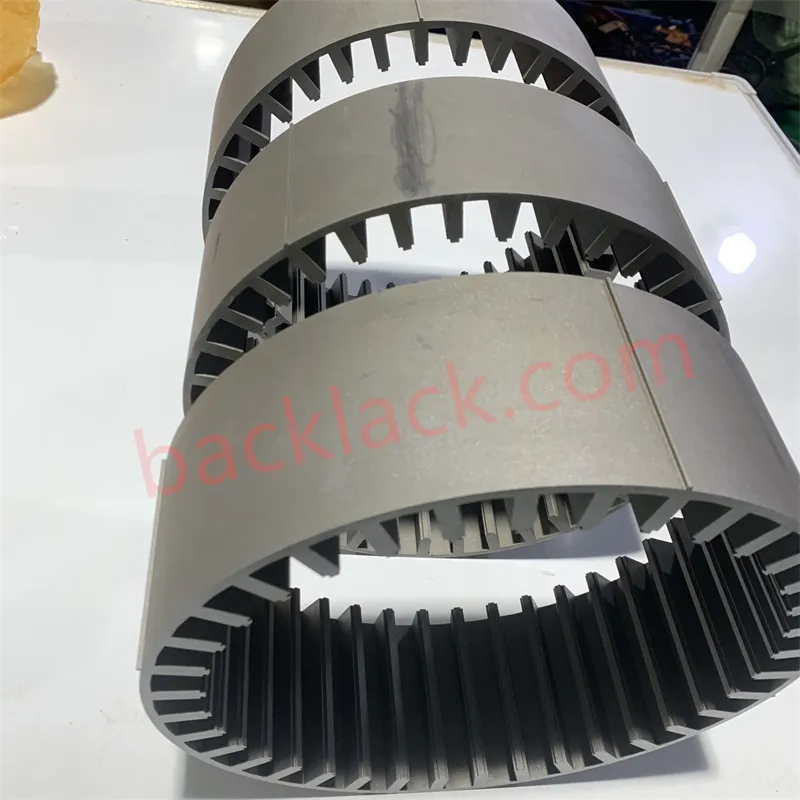
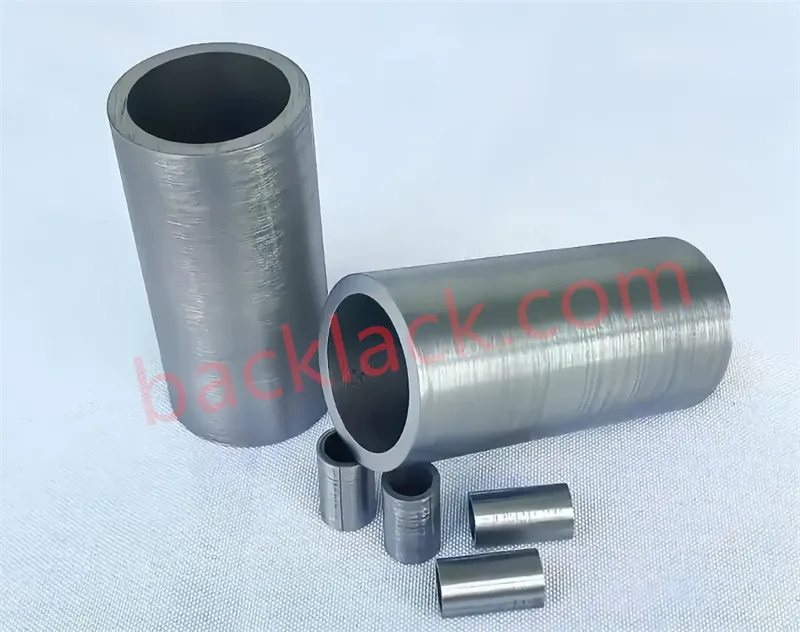
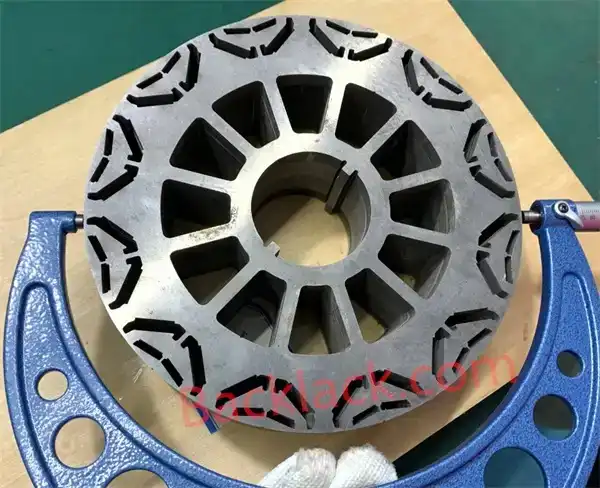
In high-end core manufacturing, premium materials demand premium processing; otherwise, the theoretical benefits of the alloy will be completely negated by manufacturing stress. Addressing the high stress-sensitivity and challenging formability of Vacodur 49, our factory completely replaces obsolete interlocking (riveting) and welding methods with mature Backlack self-bonding lamination + customized vacuum annealing.
-
Rivet-Free Self-Bonding for Zero Eddy Current Shorts
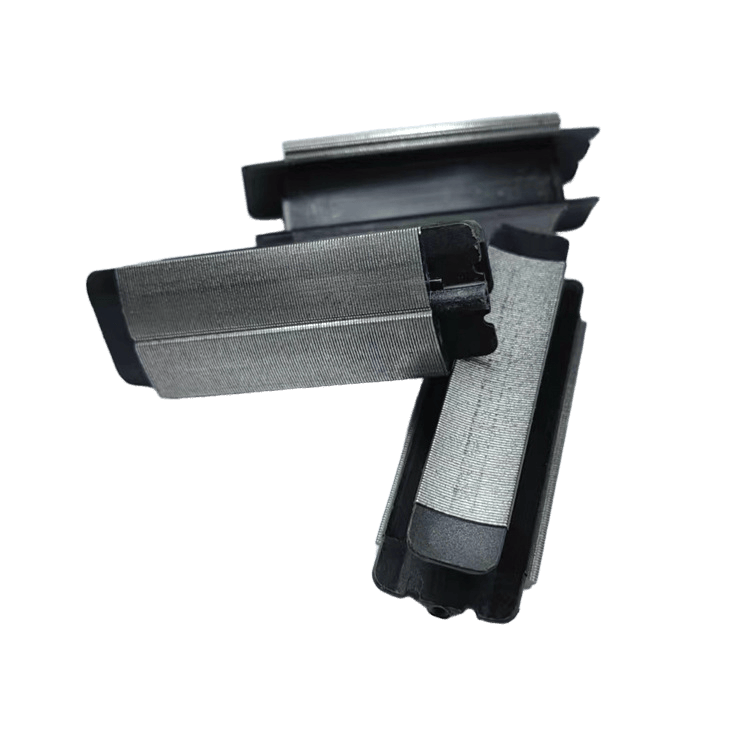
Traditional riveting or welding breaks through the ultra-thin layer insulation, creating localized short circuits that lead to severe high-frequency eddy current heating. Our specialized Backlack curing process guarantees zero riveting points, zero weld damage, and zero physical distortion, maintaining a stable stacking factor of 0.95+. This ensures full structural rigidity to prevent high-speed resonance while achieving 100% interlaminar insulation.
-
Customized Vacuum Annealing Unlocks Magnetic Peaks
The magnetic properties of Co-Fe alloys are heavily dependent on post-stamping heat treatment. Our factory runs a dedicated vacuum annealing line that tailors thermal profiles precisely to your motor's operational scenario (e.g., high-frequency racing, heavy-duty hovering, aerospace environments). This completely eliminates stamping-induced residual stresses and guarantees superb, batch-to-batch magnetic uniformity.
-
Micron-Level Precision Shaper for Advanced Non-Standard Topologies
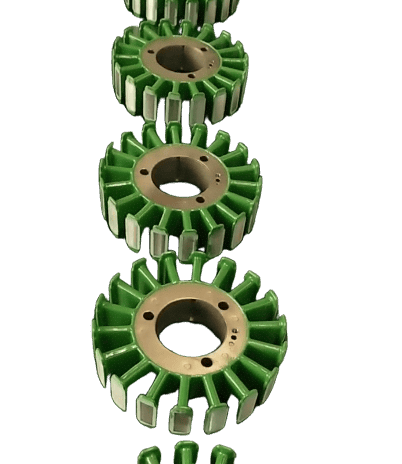
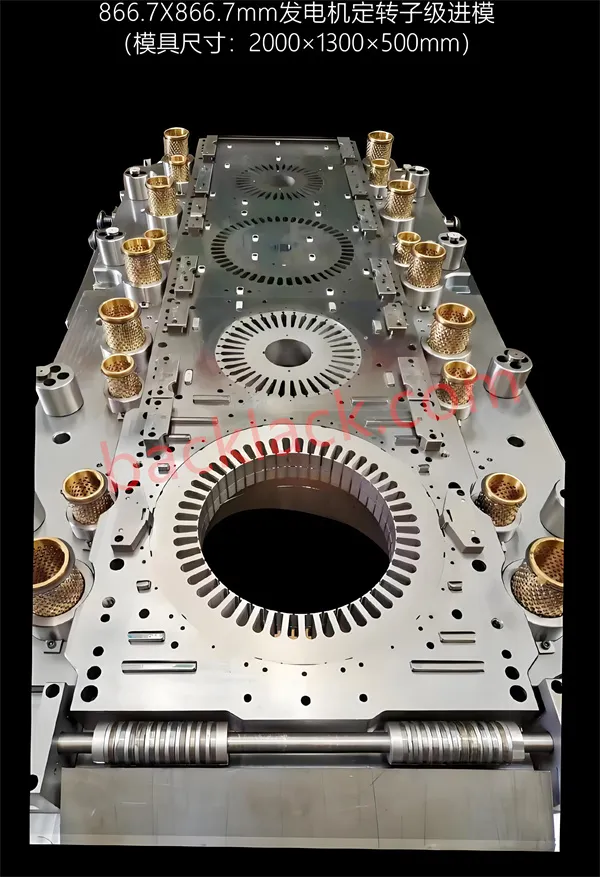
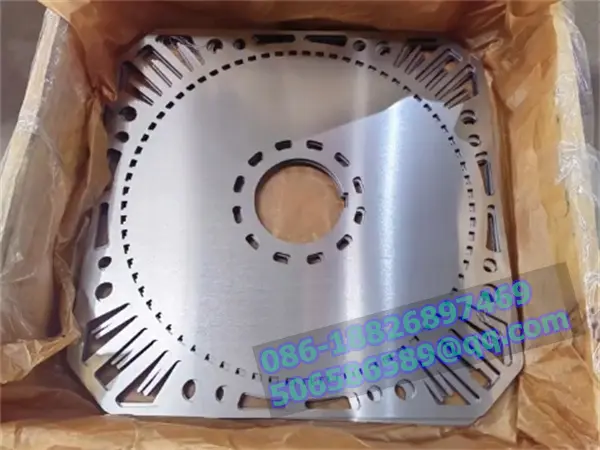
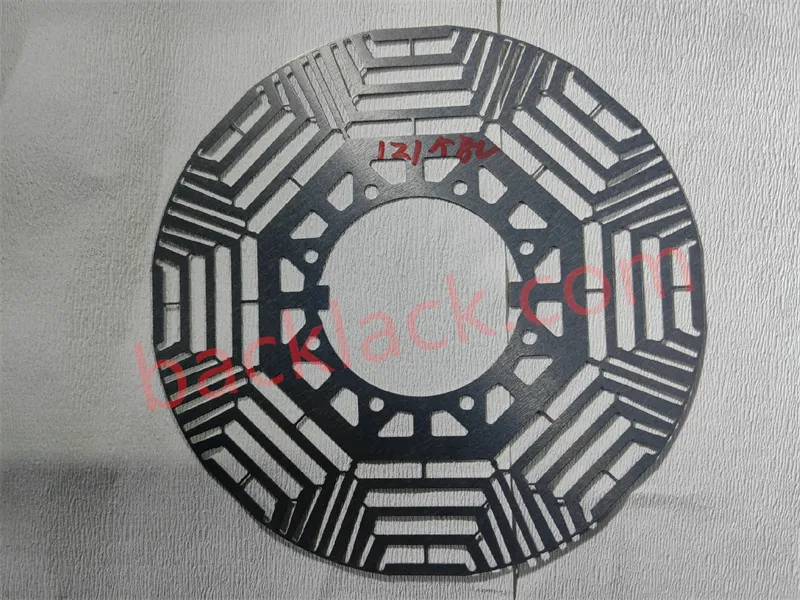
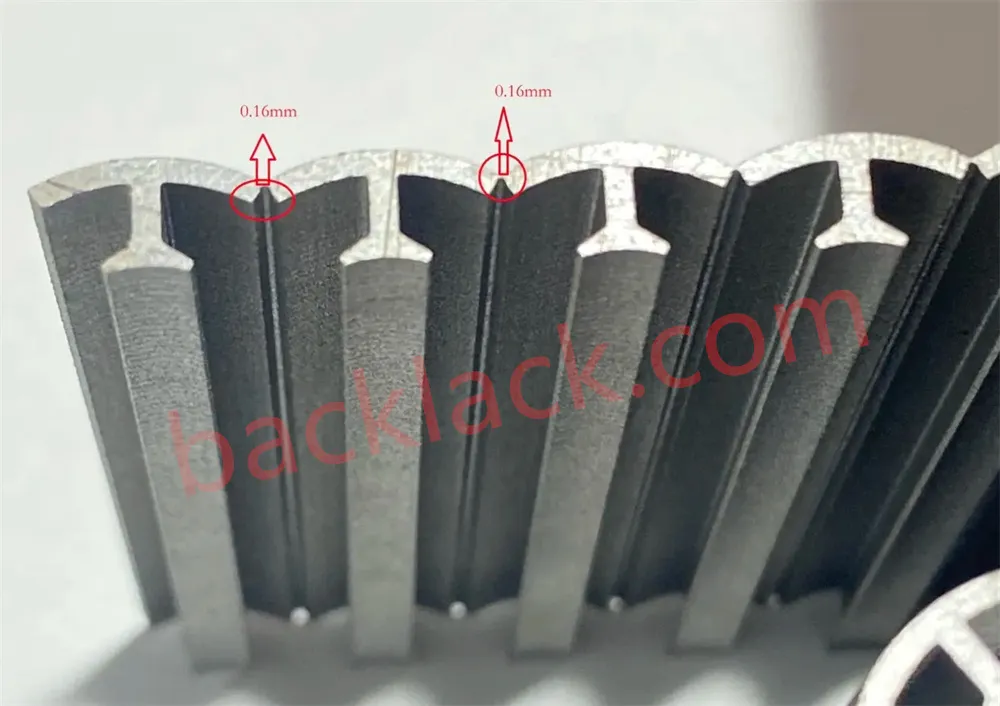
To meet the needs of non-standard, miniaturized, and ultra-precise motor topologies, we offer a dual-track process using **mold-free flexible laser cutting** and **high-precision tungsten steel matrix stamping**. Custom slot-pole geometries, ultra-narrow bridge segments, and variable stacking heights are tightly controlled within a dimensional tolerance of ±0.01 mm, ensuring quick prototyping and consistent mass production.
Application Arenas: Where Co-Fe Cores Outperform
By blending top-tier soft magnetic alloys with ultra-thin Backlack bonding, we provide high-performance solutions for high-threshold applications:
| Application Field | Core Pain Points | Co-Fe Material + Backlack Breakthrough |
|---|---|---|
| Aerospace & Defense | Extreme thermal ranges, intense vibrations, demanding reliability requirements. | Provides highly stable, resilient power cores for airborne servo motors and satellite reaction wheels under harsh environmental profiles. |
| eVTOL & Heavy UAVs | Battery constraints, payload limits, severe motor heat dissipation hurdles. | Leverages Vacodur 49 to slash weight by 30% and reduce thermal load, directly expanding the aircraft's power-to-weight ratio and flight range. |
| Precision Medical Robotics | Extremely confined installation spaces, requiring instant dynamic response and zero jitter. | Micro-surgical robot drives gain high saturation burst power and microsecond-level magnetic response via 0.1mm bonding, ensuring cogging-free, silky operation. |
| Semiconductor & Industrial Equipment | Ultra-high frequency efficiency demands, stringent cleanroom thermal limitations. | High-speed CNC spindles and 12-inch wafer handling motors run with near-zero heat generation and zero risk of core delamination, safeguarding precise chamber temperatures. |
| Professional FPV Racing Drones | Thermal saturation under extreme throttle cycles, loss of torque mid-race. | Delivers zero magnetic saturation and linear throttle response, ensuring explosive acceleration and maximum sustainability through aggressive maneuvers. |
One-Stop Factory Edge: From Raw Material to Finished Core
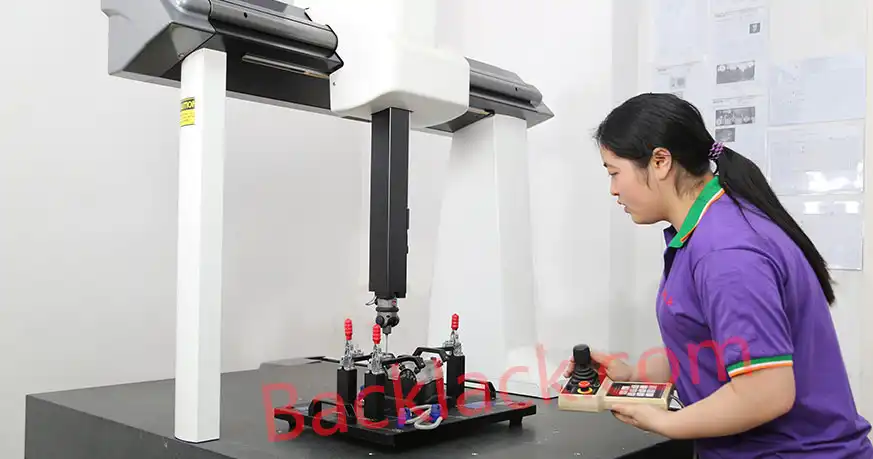
As one of the select source manufacturers with established mass-production capabilities for Vacodur 49 cores, Youyou Company provides a fully integrated, in-house closed-loop production system:
Conclusion: The Underlying Competitive Edge is Material & Process
In the high-end motor market, competition has evolved past surface-level optimizations of windings or magnets; it has converged onto core material science and precision micromachining. Conventional silicon steel combined with standard interlocking has reached its physical limit. **Youyou Company’s** premium VAC Cobalt-Iron alloys and advanced Backlack self-bonding technology provide the definitive key to shattering these performance barriers and establishing distinct product differentiation.
If you are engineering or upgrading next-generation high-speed motors and seek to resolve thermal degradation, high-speed vibration, or power-to-weight deficiencies, contact our engineering team today for a free design review, technical assessment, and rapid prototype testing!