Understanding Stator Lamination: The Foundation of Motor Efficiency
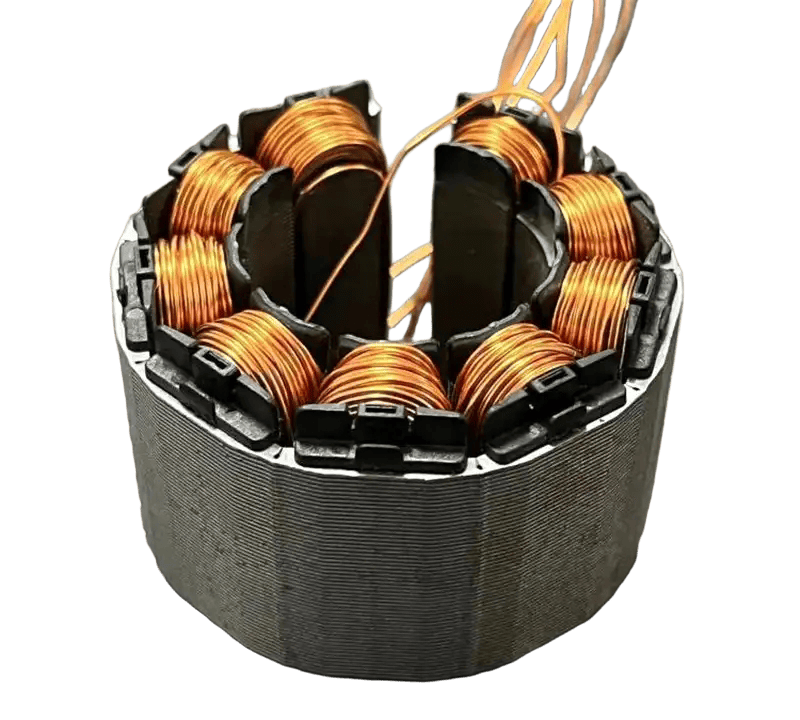
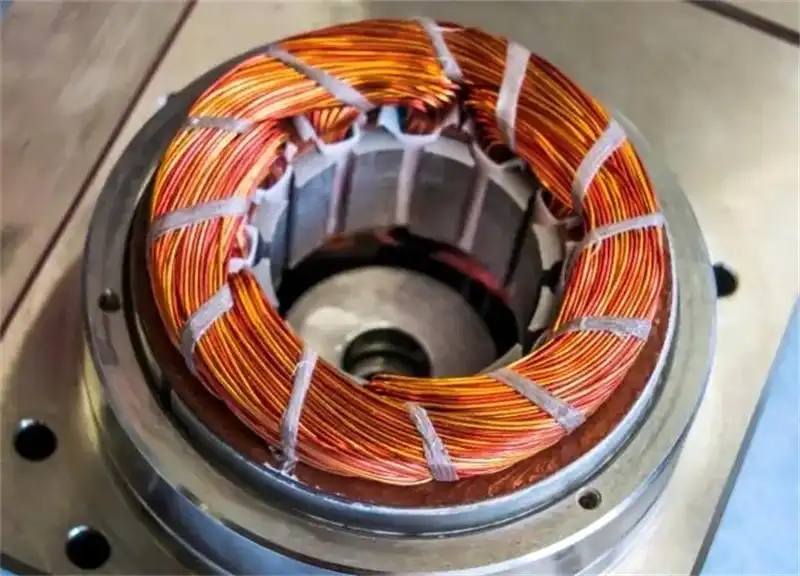
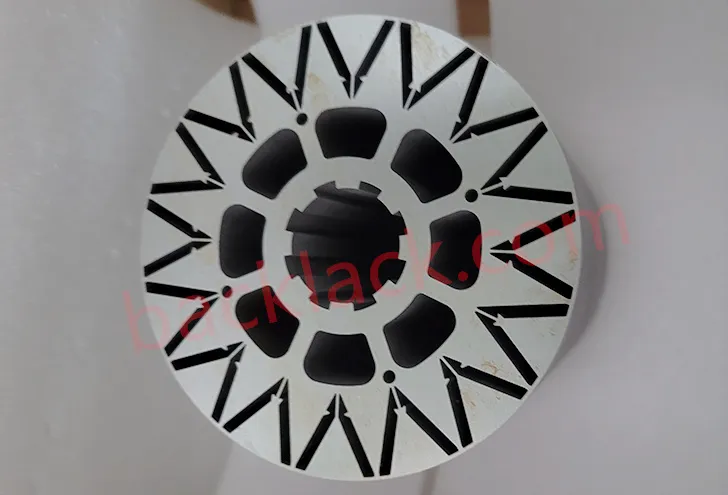
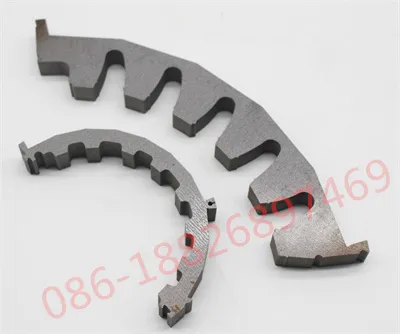
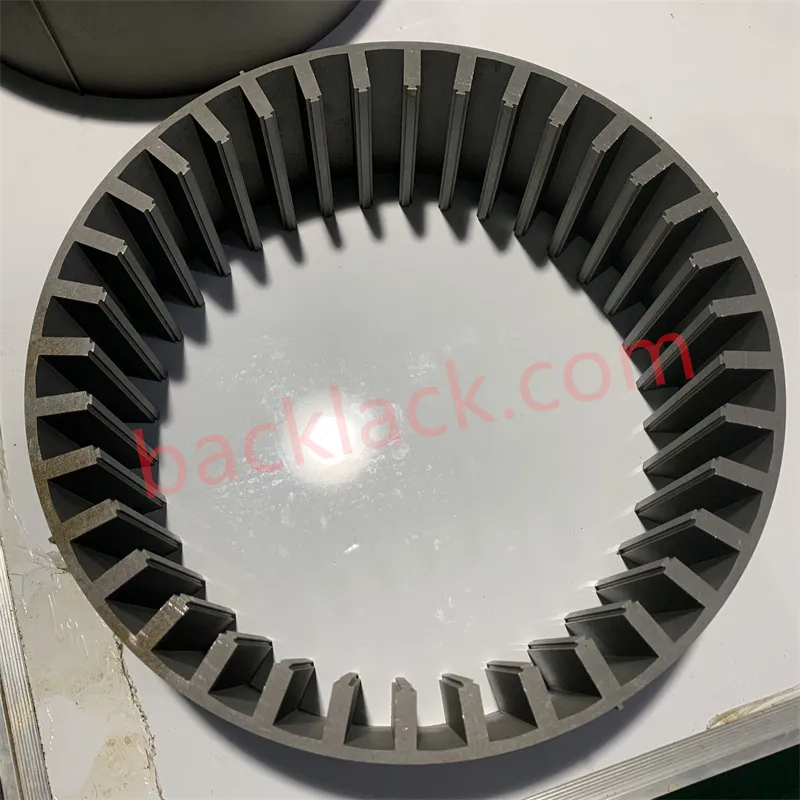
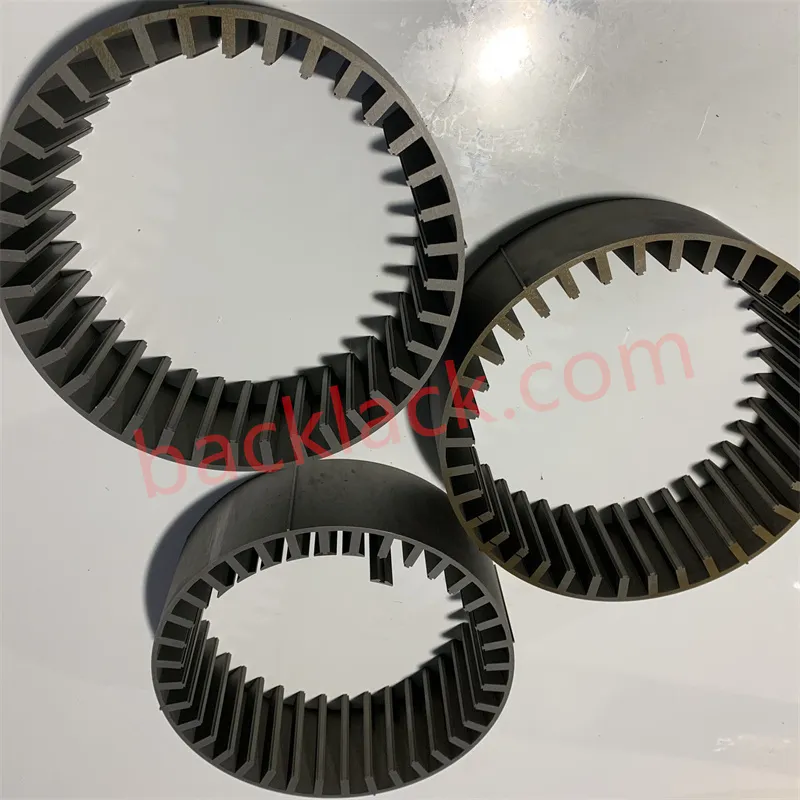
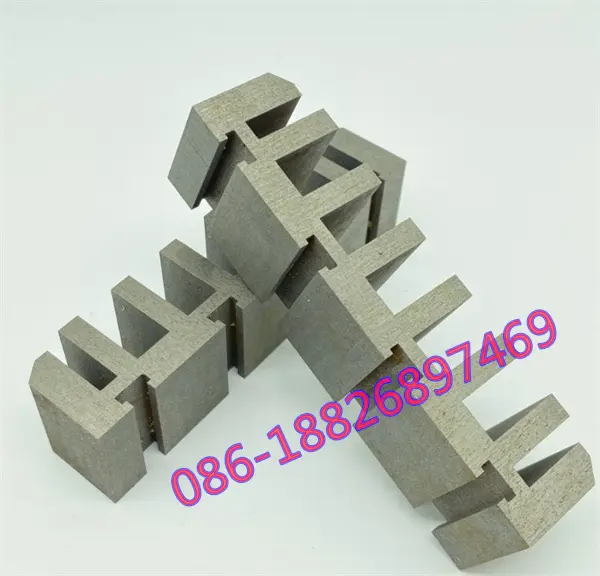
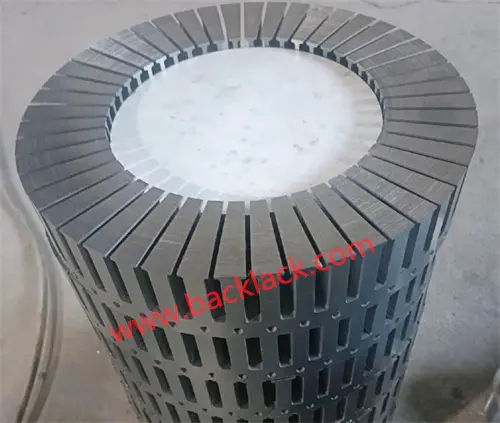
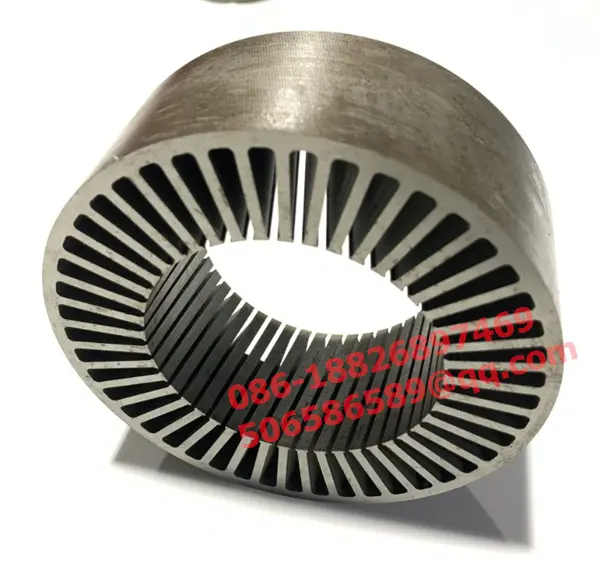
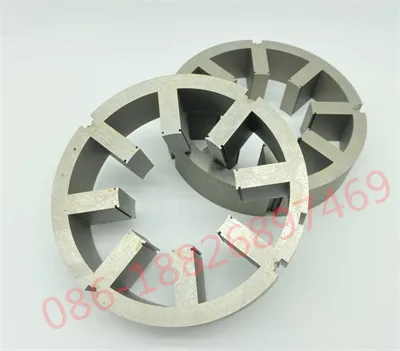
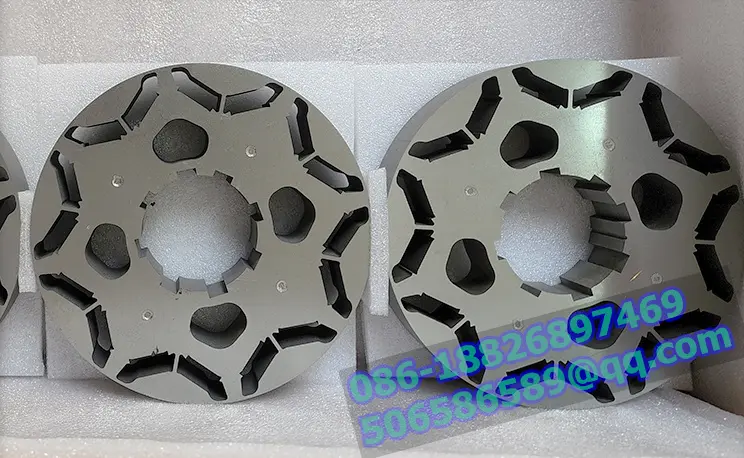
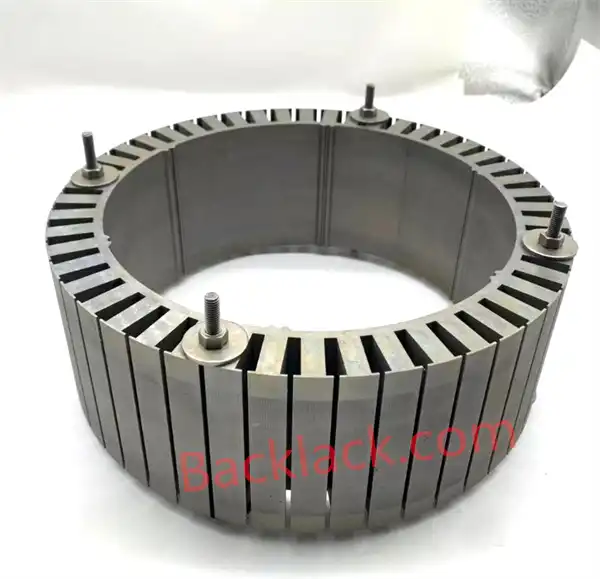
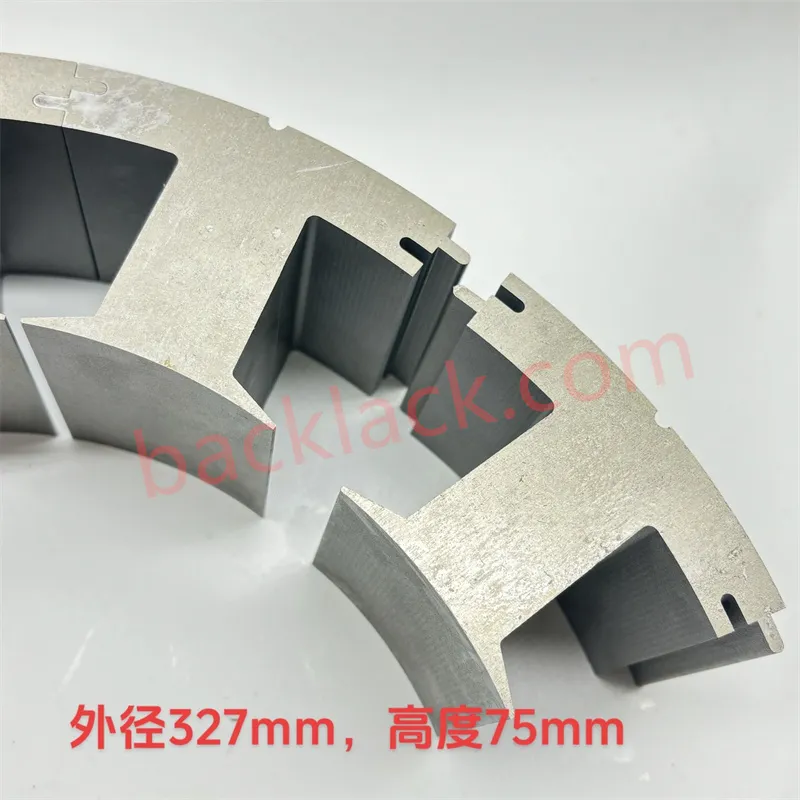
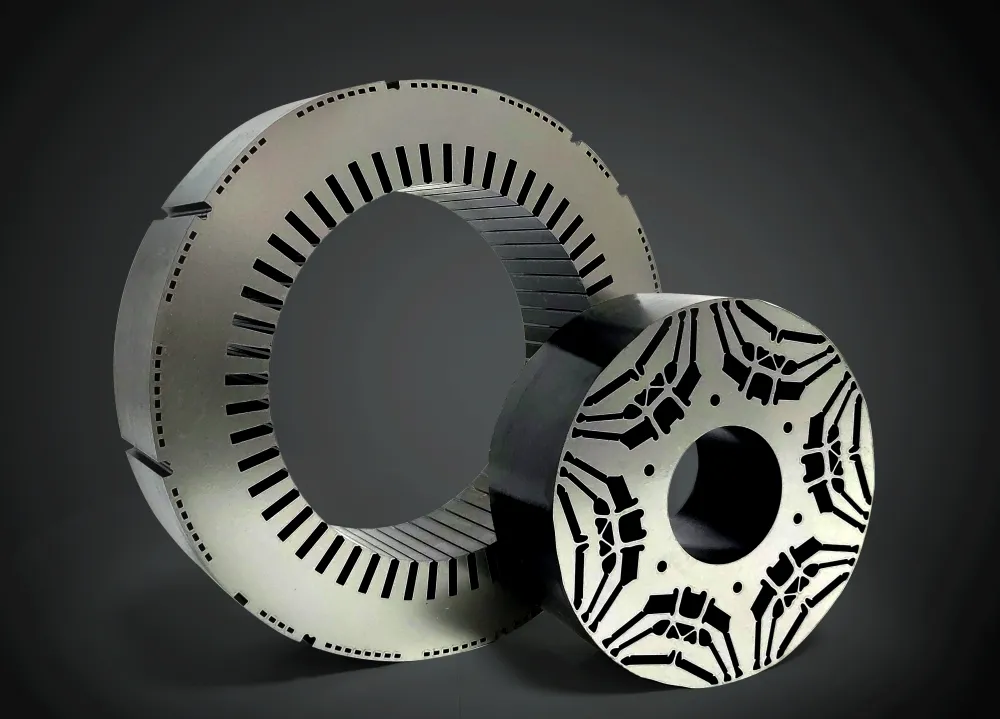
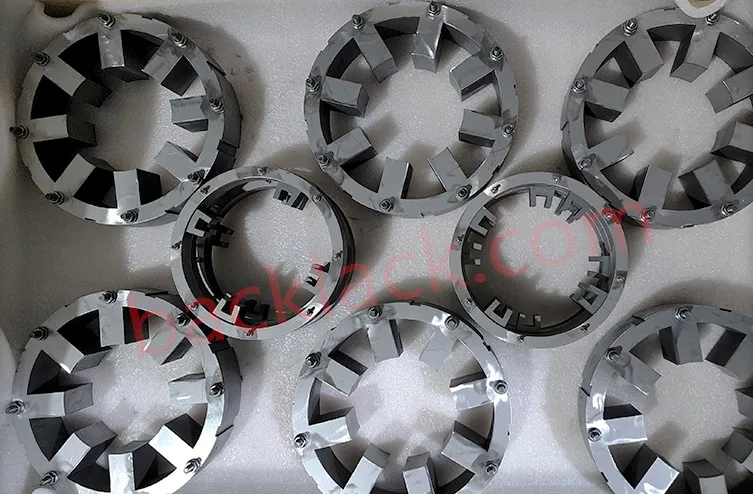
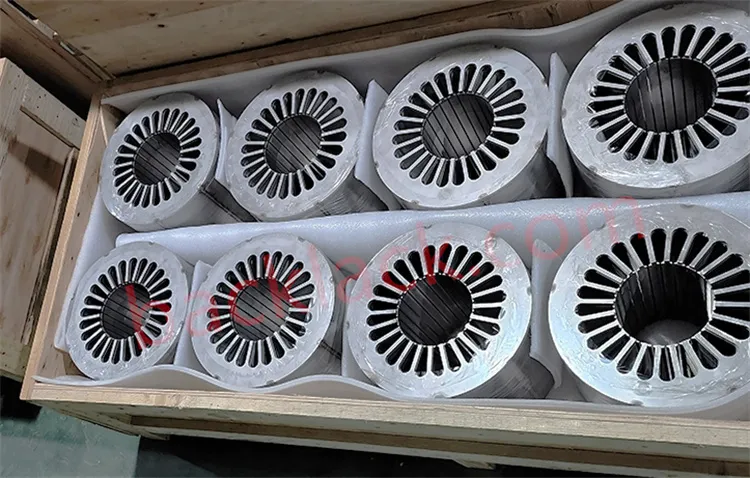
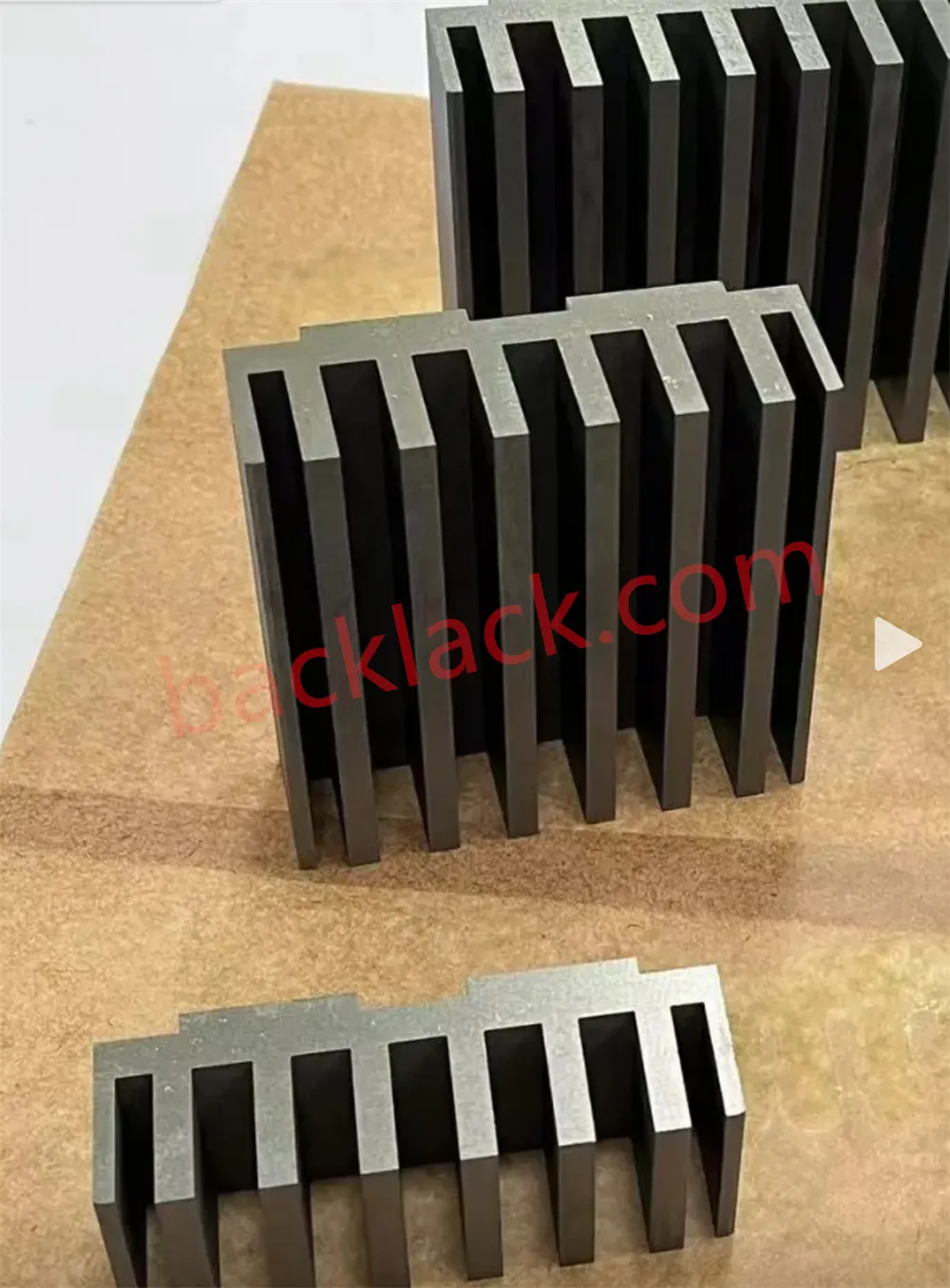
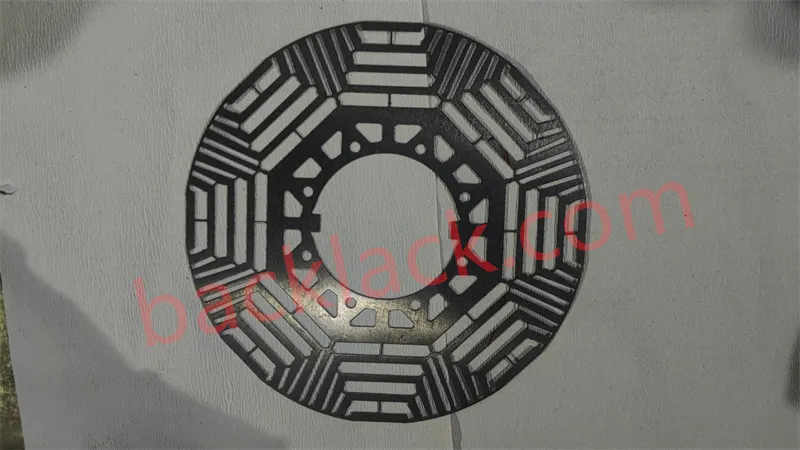
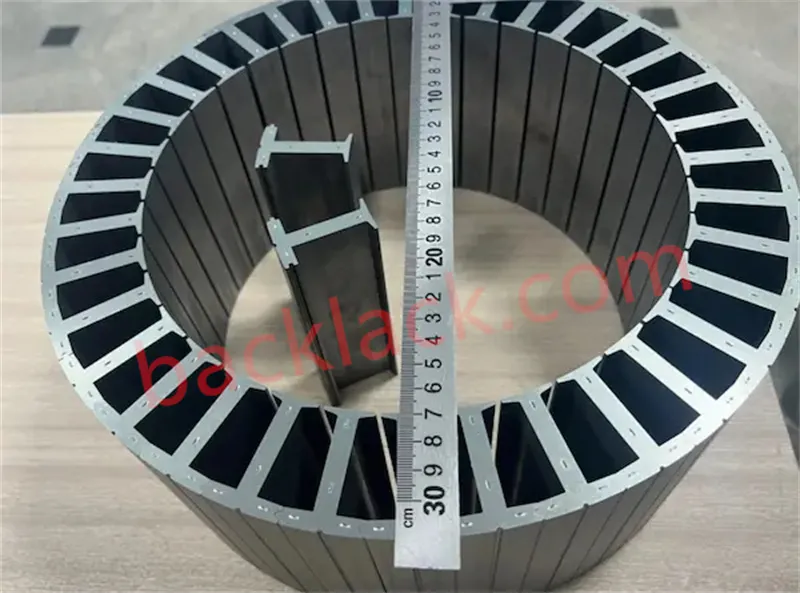
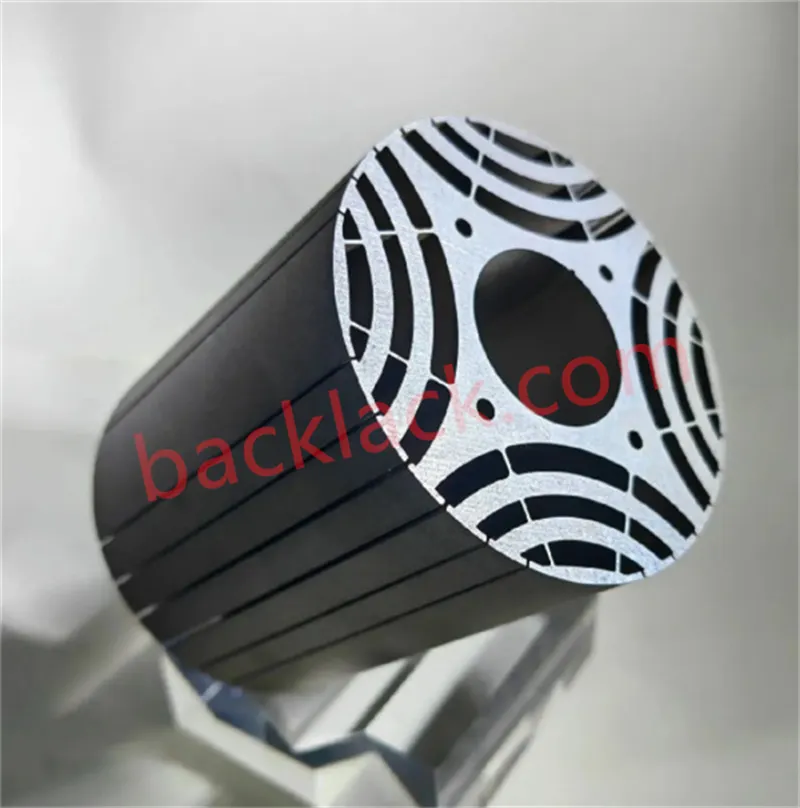
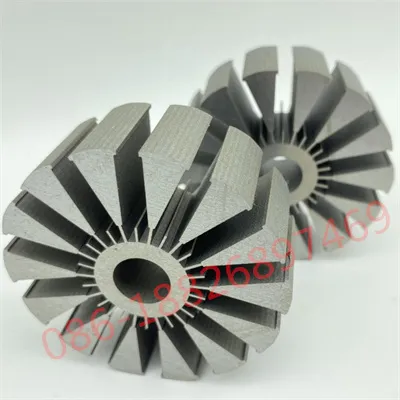
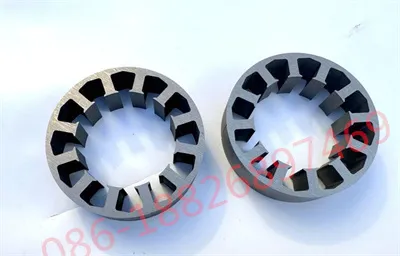
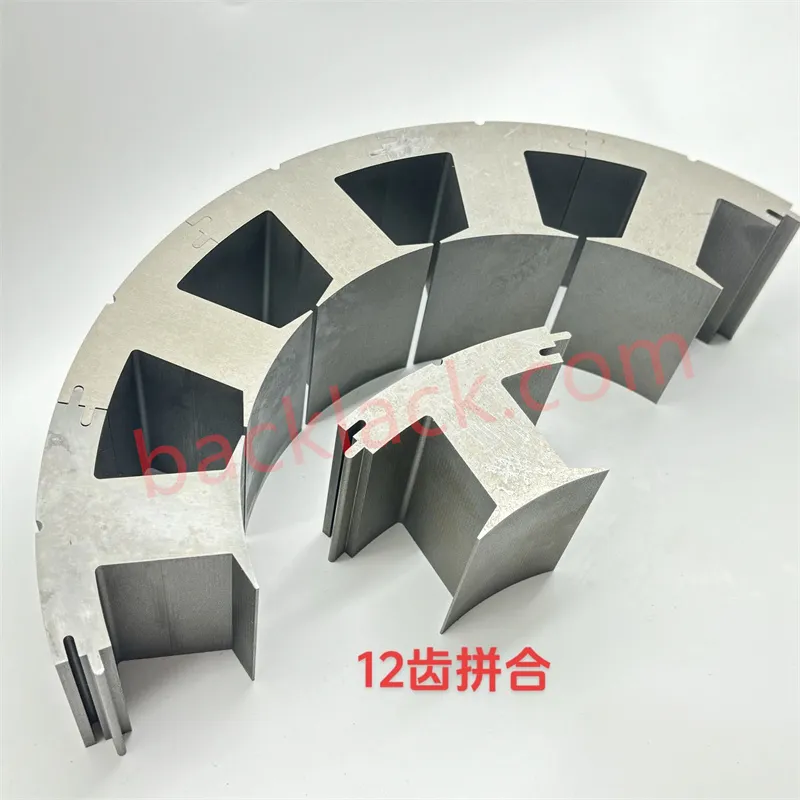
Before exploring the advantages of custom solutions, it's essential to understand what stator laminations are and why they matter. The stator is the stationary part of an electric motor that contains windings and creates the magnetic field necessary for motor operation. Laminations are thin sheets of electrical steel stacked together to form the stator core, and their design directly impacts:
- Magnetic efficiency: How effectively the core channels magnetic flux
- Iron losses: Energy lost as heat due to eddy currents and hysteresis
- Thermal management: Heat dissipation capabilities during operation
- Mechanical integrity: Structural stability under high-speed rotation and vibration
- Manufacturing precision: Tolerance control and assembly compatibility
Custom vs. Standard Stator Laminations: A Performance Comparison
One of the most critical decisions motor designers face is whether to use standard or custom stator laminations. While standard components may seem cost-effective initially, they often compromise performance, efficiency, and long-term reliability. Below is a detailed comparison highlighting why customization consistently outperforms generic solutions:
| Performance Factor | Custom Stator Laminations | Standard Stator Laminations | Impact on Motor Performance |
|---|---|---|---|
| Material Selection | Premium-grade electrical steel (0.1mm–0.35mm), amorphous alloys, or specialized magnetic materials based on specific frequency and power requirements | Generic electrical steel (typically 0.5mm+), limited material options | Custom materials reduce iron losses by 30–50%, significantly improving efficiency and reducing heat generation |
| Geometric Precision | Tight tolerances (±0.01mm), optimized slot geometry, custom stack heights, and precise alignment features | Loose tolerances (±0.1mm), generic slot designs, standard dimensions | Precision engineering maximizes magnetic flux density, reduces cogging torque, and ensures seamless assembly |
| Iron Loss Optimization | Minimized eddy current and hysteresis losses through material selection, lamination thickness optimization, and advanced annealing processes | Higher inherent losses due to thicker materials and suboptimal processing | Lower losses translate to 15–25% better efficiency, extended battery life, and reduced cooling requirements |
| Thermal Performance | Optimized thermal pathways, integrated cooling features, and materials with superior thermal conductivity | Basic thermal design, limited heat dissipation capabilities | Better thermal management enables higher continuous power output and longer operational life |
| Environmental Resistance | Advanced coatings (epoxy, electrophoretic, or specialized treatments) for corrosion resistance, moisture protection, and chemical resistance | Basic or no protective coatings | Enhanced durability in harsh environments (marine, agricultural, industrial settings) |
| Application-Specific Design | Tailored for specific motor types (BLDC, PMSM, induction), operating conditions, and performance targets | One-size-fits-all approach with compromises across all applications | Optimized performance for intended use case, maximizing power density and efficiency |
Advanced Manufacturing Technologies for Custom Stator Laminations
The manufacturing process plays a crucial role in determining the quality and performance of custom stator laminations. Leading manufacturers employ several advanced technologies to ensure precision and consistency:
-
Laser Cutting Technology
Laser cutting offers unparalleled precision for complex geometries and tight tolerances. With micron-level accuracy, laser cutting eliminates mechanical stress and burrs that can degrade magnetic performance. This technology is particularly valuable for prototyping and low-to-medium volume production runs where tooling costs for stamping would be prohibitive.
-
High-Precision Stamping
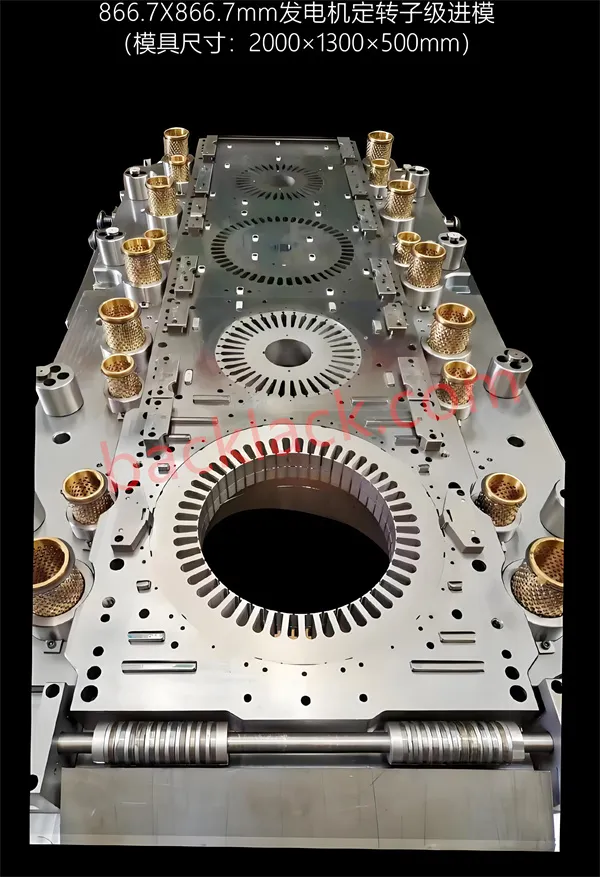
For high-volume production, precision stamping with advanced die technology provides consistent quality and cost-effective manufacturing. Modern stamping presses achieve tolerances of ±0.01mm and can handle ultra-thin materials down to 0.1mm thickness, enabling the production of high-frequency, low-loss laminations.
-
Automated Stacking and Bonding
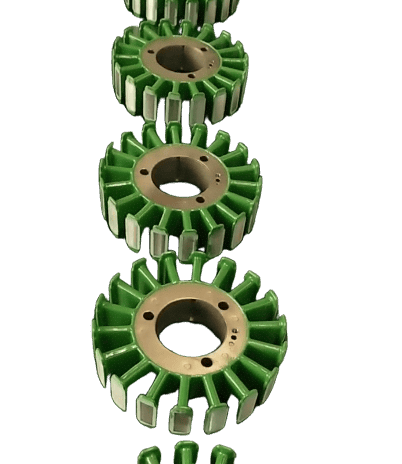
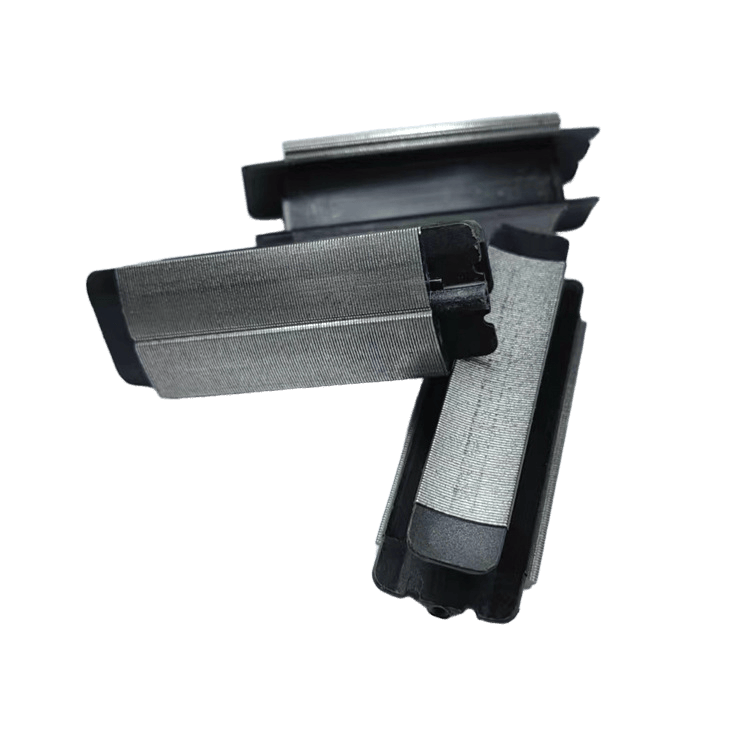
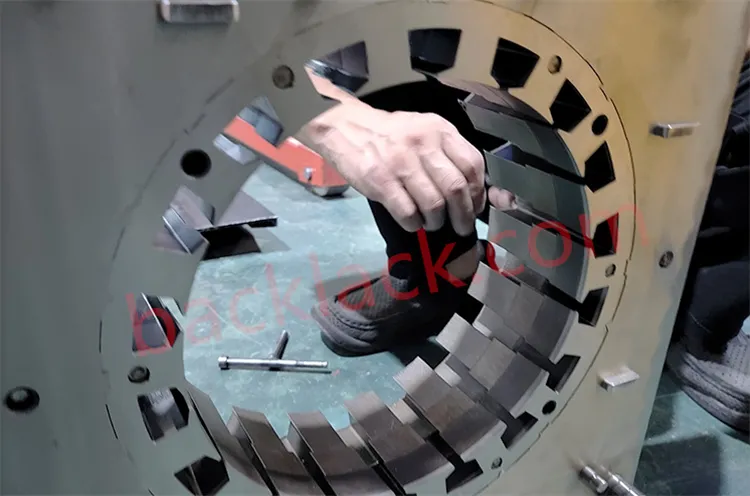
The stacking process is critical for maintaining alignment and minimizing air gaps between laminations. Automated stacking systems ensure perfect alignment, while advanced bonding techniques—including self-bonding materials, epoxy impregnation, and welding—provide structural integrity without compromising magnetic performance.
-
Specialized Coating Technologies
Protective coatings are essential for environmental resistance and electrical insulation. Modern coating technologies include:
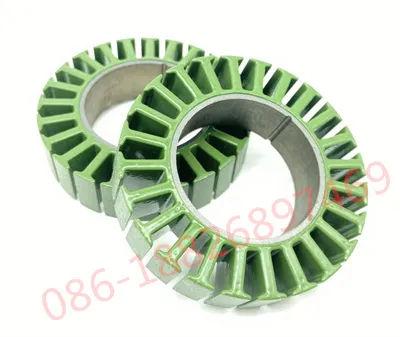
- Epoxy powder coating: Provides excellent corrosion resistance and thermal stability
- Electrophoretic deposition: Creates uniform, pinhole-free coatings even on complex geometries
- Self-bonding coatings: Eliminate the need for separate bonding processes while providing electrical insulation
- Ceramic coatings: Offer superior thermal conductivity and high-temperature resistance
Material Science: Choosing the Right Core Material
The choice of core material significantly impacts motor performance, efficiency, and cost. Here's a comprehensive comparison of the most common materials used in custom stator laminations:
| Core Material | Thickness Range | Iron Loss (W/kg @ 50Hz) | Relative Cost | Best Applications |
|---|---|---|---|---|
| High-Grade Silicon Steel | 0.1mm – 0.35mm | 1.8 – 3.5 | $$ | General-purpose motors, industrial drives, consumer appliances |
| Ultra-Thin Silicon Steel | 0.05mm – 0.1mm | 0.8 – 1.8 | $$$$ | High-frequency motors (>1kHz), aerospace applications, premium EVs |
| Amorphous Alloys | 0.025mm – 0.03mm | 0.3 – 0.8 | $$$$$ | Ultra-high efficiency applications, transformer cores, specialized industrial motors |
| Soft Magnetic Composites (SMC) | N/A (3D molded) | 2.0 – 4.0 | $$$ | Complex 3D geometries, axial flux motors, applications requiring isotropic magnetic properties |
| Cobalt-Iron Alloys (Hiperco/VACODUR) | 0.1mm – 0.5mm | 3.0 – 6.0 | $$$$$ | High saturation applications, aerospace, defense, medical devices |
Key Insight: Material selection should be based on the specific operating frequency, power density requirements, and cost constraints of your application. For most industrial and commercial applications, high-grade silicon steel in the 0.2mm–0.35mm range provides the best balance of performance and cost-effectiveness.
Industry Applications: Where Custom Stator Laminations Make the Difference
-
Heavy-Duty Drones and UAVs
Heavy-lift drones require motors with exceptional power density, efficiency, and reliability. Custom stator laminations enable these motors to deliver 25–35% higher torque output without increasing size or weight, while maintaining efficiency above 90% even under continuous high-load conditions.
-
Electric Vehicles
EV traction motors demand the highest levels of efficiency, power density, and thermal management. Custom laminations with ultra-thin materials (0.1mm–0.2mm) and advanced cooling integration enable motors that achieve 95%+ efficiency while fitting within tight packaging constraints.
-
Industrial Automation
Factory automation systems require motors that can operate continuously in harsh environments with minimal maintenance. Custom laminations with enhanced corrosion resistance and thermal stability ensure reliable operation for 10,000+ hours without degradation.
-
Renewable Energy Systems
Wind turbine generators and solar tracking systems benefit from custom laminations optimized for variable speed operation and maximum energy capture efficiency across wide operating ranges.
Our Comprehensive Custom Stator Lamination Solutions
As a dedicated custom motor core manufacturer, we provide end-to-end solutions that address the complete spectrum of stator lamination requirements:
Design and Engineering Support
Our engineering team collaborates with clients from concept to completion, providing electromagnetic simulation, thermal analysis, and mechanical design optimization to ensure optimal performance for your specific application.
Rapid Prototyping
We offer rapid prototyping services with turnaround times as short as 7–10 days, allowing you to validate designs and performance before committing to full-scale production.
Flexible Manufacturing Capabilities
Our facilities support both low-volume custom production and high-volume manufacturing, with capabilities spanning laser cutting, precision stamping, automated stacking, and advanced coating technologies.
Quality Assurance and Testing
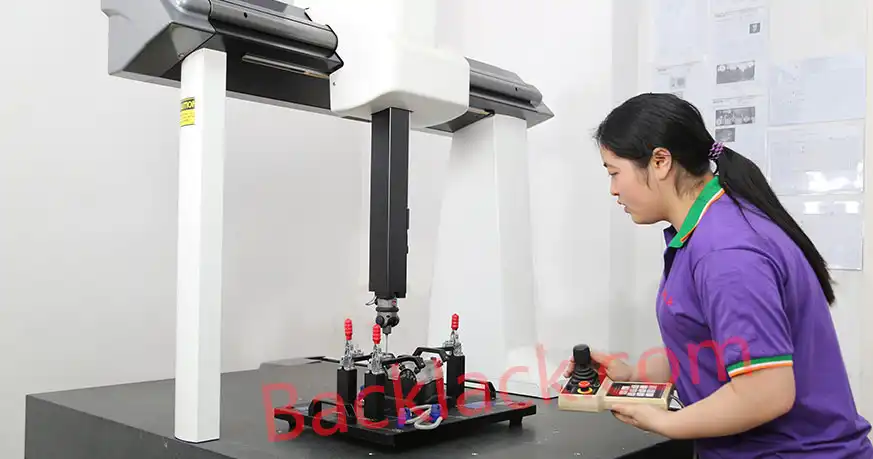
Every batch undergoes rigorous quality control, including dimensional verification, magnetic property testing, iron loss measurement, and visual inspection to ensure consistent quality and performance.
Cost-Benefit Analysis: Why Custom Pays Off
While custom stator laminations typically carry a 20–40% higher upfront cost compared to standard components, the total cost of ownership is often significantly lower due to:
- Improved efficiency: 15–25% reduction in energy consumption translates to substantial operational savings
- Extended lifespan: 2–3x longer operational life reduces replacement and maintenance costs
- Enhanced performance: Higher power density enables smaller, lighter motor designs with reduced system costs
- Reduced cooling requirements: Lower heat generation simplifies thermal management systems
- Application-specific optimization: Eliminates performance compromises inherent in generic solutions
Industry studies show that motors with custom stator laminations achieve ROI within 12–18 months through energy savings and reduced maintenance costs.
Conclusion: The Strategic Advantage of Custom Stator Laminations
In today's competitive landscape, where efficiency, performance, and reliability are paramount, custom stator laminations represent a strategic investment rather than a cost. By partnering with an experienced manufacturer who understands your specific requirements and can deliver precision-engineered solutions, you gain a significant competitive advantage in your market segment.
Whether you're developing next-generation electric vehicles, heavy-duty industrial equipment, or cutting-edge aerospace systems, the foundation of your motor's performance lies in its stator laminations. Don't settle for compromises—invest in custom solutions that unlock the full potential of your electric motor designs.
Ready to transform your motor performance?
Whether you're designing a new high-efficiency motor, upgrading an existing product line, or need custom laminations for a specialized application, we're here to help. Our engineering team will work with you to understand your specifications, optimize your lamination design, and deliver a solution that meets your performance, budget, and timeline requirements.
Request a Technical ConsultationContact us today to discuss your custom stator lamination requirements. Our engineering team will work with you to understand your specifications, optimize your design, and deliver a solution that meets your performance, budget, and timeline needs.
About Youyou Technology
With decades of experience in precision motor core manufacturing, we specialize in custom stator and rotor laminations for the most demanding applications. Our capabilities include:
- Material expertise: Silicon steel (0.05mm–0.5mm), amorphous alloys, cobalt-iron alloys, and soft magnetic composites
- Advanced manufacturing: Laser cutting, precision stamping, automated stacking, and specialized coating technologies
- Quality standards: ISO 9001, IATF 16949, and industry-specific certifications
- Global partnerships: Serving leading OEMs in automotive, aerospace, industrial automation, and renewable energy sectors