Pushing FPV Drone Motors to the Absolute Limit How 0.1mm Precision Customization and Advanced Soft Magnetic Alloys Redefine Flight Performance

High-Performance Motor Core Manufacturing / Soft Magnetic Alloys / YOUYOU Technical Insights

Hello to all RC hobbyists, FPV pilots, and drone R&D engineers! This is your long-time partner, the head of a dedicated custom motor core manufacturing factory (Youyou Company).

In the world of FPV racing drones and mini UAVs, the ultimate focus is always on power: How do we squeeze out more explosive thrust without adding weight? How do we ensure silk-smooth, linear throttle response at extreme RPMs? While many pilots and drone manufacturers laser-focus on magnets (NdFeB) and copper windings, they often overlook the hidden soul of the motor—the stator core. Generic, off-the-shelf standard cores simply cannot handle the grueling demands of an FPV drone's rapid start-stop cycles, ultra-high-frequency operation, and ultra-lightweight constraints.

Today, we'll dive deep into the technical intricacies of drone motor cores from a manufacturer's first-person perspective, showcasing how we master and push premium materials to their absolute limits.

1. The FPV Motor Pain Point: High-Frequency Core Loss & Overheating

FPV drone motors (such as the common 2207, 2306, 1103, etc.) operate under vastly different conditions than standard industrial or household appliance motors. They feature ultra-high rotational speeds (often tens of thousands of RPMs) combined with high pole-pair counts (common topologies include 9N12P, 12N14P, etc.). This means the magnetic field switching frequency inside the stator core is incredibly high, typically in the multi-kilohertz (kHz) range.

Under these extreme ultra-high frequencies, conventional electrical steel faces two fatal enemies: Eddy Current Loss and Hysteresis Loss (collectively known as Core Loss or Iron Loss).

  1. Thermal Build-up & Demagnetization: Core loss transforms into severe heat. If the stator core overheats, that heat transfers to the rotor, leading to thermal demagnetization of the high-strength Neodymium magnets. This instantly drops motor performance and can even trigger catastrophic inflight burnouts or crashes.
  2. Wasted Battery Energy: Precious battery current is wasted as thermal dissipation within the stator rather than being converted into mechanical thrust, significantly shortening valuable flight time.

2. From Premium Silicon Steel to Vacodur 49: Breaking the Limits of High-Frequency Core Loss and Magnetic Saturation

To chase the ultimate thrust-to-weight ratio and maximize electromagnetic efficiency at ultra-high frequencies, our weapon of choice is the **synergy of extreme lamination thinness and top-tier advanced materials**.

According to electromagnetic principles, Eddy Current Loss (\(P_e\)) is directly proportional to the square of both the electrical frequency (f) and the lamination thickness (t):

$$P_e \propto f^2 t^2$$

Consequently, as the lamination gets thinner, high-frequency eddy current losses drop exponentially. At Youyou Company, we don't just stop at high-grade thin silicon steel; we introduce industry-leading, specialized high-frequency materials and soft magnetic alloys:

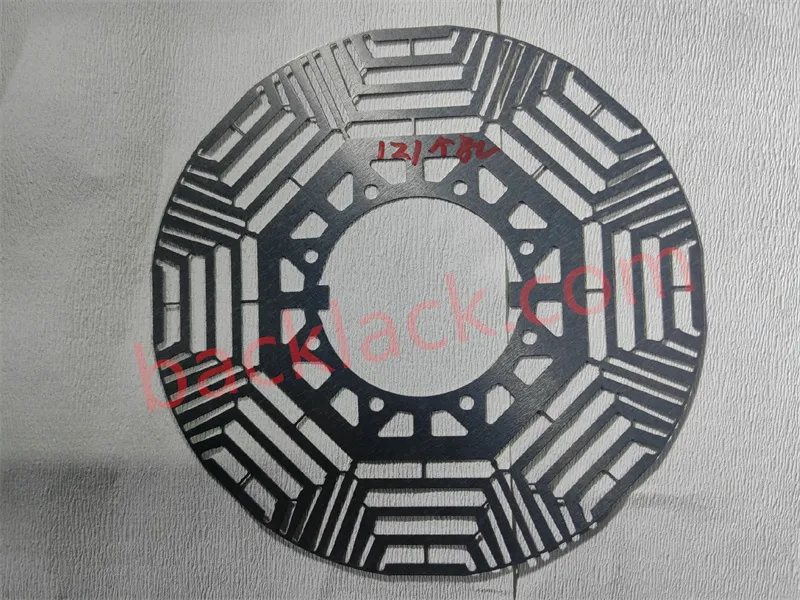
  1. 10JNEX900 (0.1mm Ultra-Thin Super Core): Developed by JFE Steel, this specialized ultra-thin electrical steel suppresses eddy current losses above 1kHz to the bare minimum. It is the premier choice for micro-FPV racing drones and medical motors demanding minimal heat.
  2. 20JNEH1200 (0.2mm High-Magnetic-Flux Super Core): This material balances ultra-low high-frequency core loss with exceptional magnetic flux density, squeezing out greater torque and explosive punch for aggressive maneuvers.
  3. Vacodur 49 (Premium Iron-Cobalt-Vanadium Soft Magnetic Alloy): The ultimate weapon utilized in aerospace and military-grade electric machines. It features a stunningly high saturation magnetic flux density (\(B_s\)) of around 2.3T. **With the same physical footprint, a stator made of Vacodur 49 delivers a massive leap in power density**, completely shattering the limits of traditional silicon steel for budget-no-object, extreme thrust requirements.
Core Solution / Material Thickness Spec Stacking Factor High-Frequency (1kHz+) Performance Core Advantage & Flight Dynamics
Standard Off-the-Shelf Core Conventional 0.35mm Steel 0.35mm - 0.50mm ~ 0.93 Very high; severe thermal build-up at high RPM Power fade at full throttle due to thermal degradation
Youyou Company Custom Option B Utilizing 20JNEH1200 0.20mm 0.96+ Reduces core loss by ~30% - 40% High magnetic flux, massive torque, explosive punch
Youyou Company Extreme Option A Utilizing 10JNEX900 0.10mm 0.96 - 0.97 Reduces eddy current loss by over 50% Silky smooth linearity, instant throttle response, ultra-low heat
Aerospace/Military Grade Extreme Specialized Vacodur 49 0.10mm - 0.20mm 0.95+ Ultra-high saturation flux (2.3T) Extreme footprint reduction, monster thrust, zero magnetic saturation

Compared to traditional 0.35mm alternatives, **reducing lamination thickness to 0.1mm shaves roughly 30% off the stator's raw weight**. While keeping structural rigidity intact, it trims down dead weight perfectly for 1.5-inch to 5-inch FPV racing and micro aerial videography drones.

3. Invisible Efficiency Multipliers: Overcoming Specialized Stator Manufacturing Challenges

The better the material grade, the more difficult it is to process. High-alloy materials like 10JNEX900 and Vacodur 49 have elevated cobalt and silicon contents, making them extremely hard and brittle. They are highly prone to edge chipping and fracturing during stamping. As a specialized, direct-to-factory manufacturer, we deploy rigorous core manufacturing processes to guarantee flawless quality:

  1. Ultra-Precision Stamping and Micro-Tolerance Control

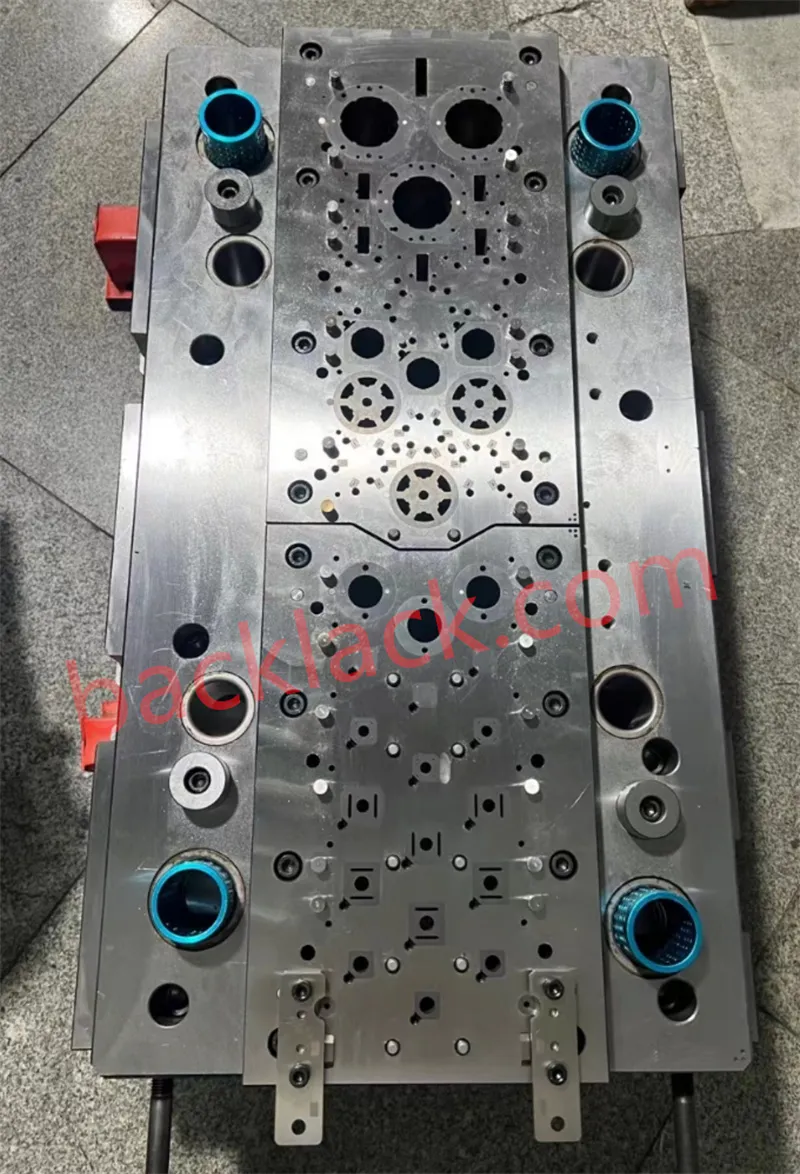
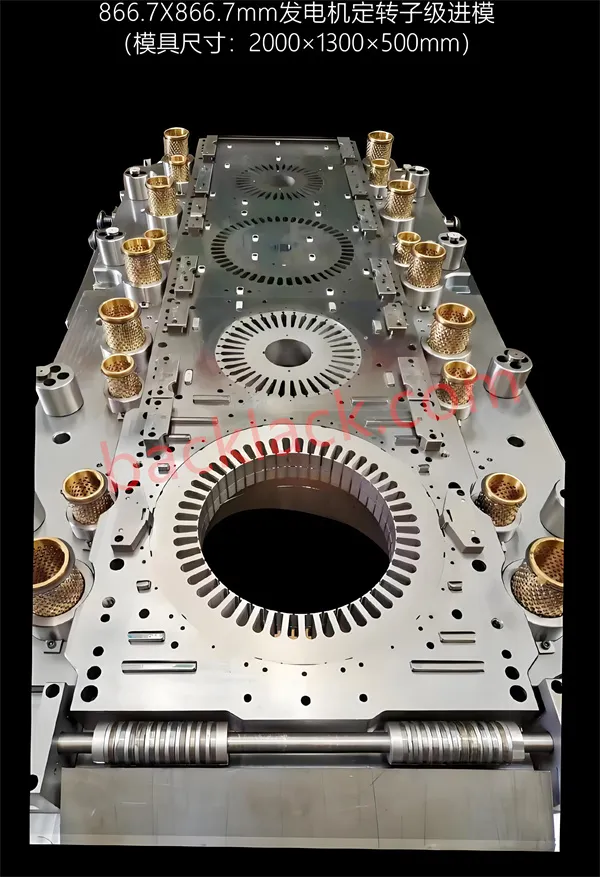
    Ultra-thin silicon steel and specialized alloys demand exceptionally tight stamping clearances—often down to a few microns. Utilizing ultra-precision stamping presses paired with high-grade, expensive tungsten carbide progressive dies, we **keep our stamping dimensional tolerances strictly within ±0.01mm**. This guarantees perfect slot shapes and clean, burr-free edges, yielding flawless concentricity after stacking and an exceptionally uniform air gap between the stator and rotor, completely eliminating high-frequency vibration.

  2. Stringent Vacuum Heat Treatment (For Vacodur 49)

    Iron-cobalt alloys like Vacodur 49 retain substantial mechanical stress after stamping, which heavily compromises their magnetic properties. To unlock its full 2.3T magnetic capabilities, Youyou Company's facility operates **specialized high-performance vacuum annealing furnaces**. By running highly precise, computer-controlled temperature curves, we relieve all residual stresses and allow optimal grain growth, ensuring every premium core leaves our floor at its absolute peak performance state.

  3. Self-Bonding (Backlack) & Precision Gluing: 100% Interlaminar Insulation

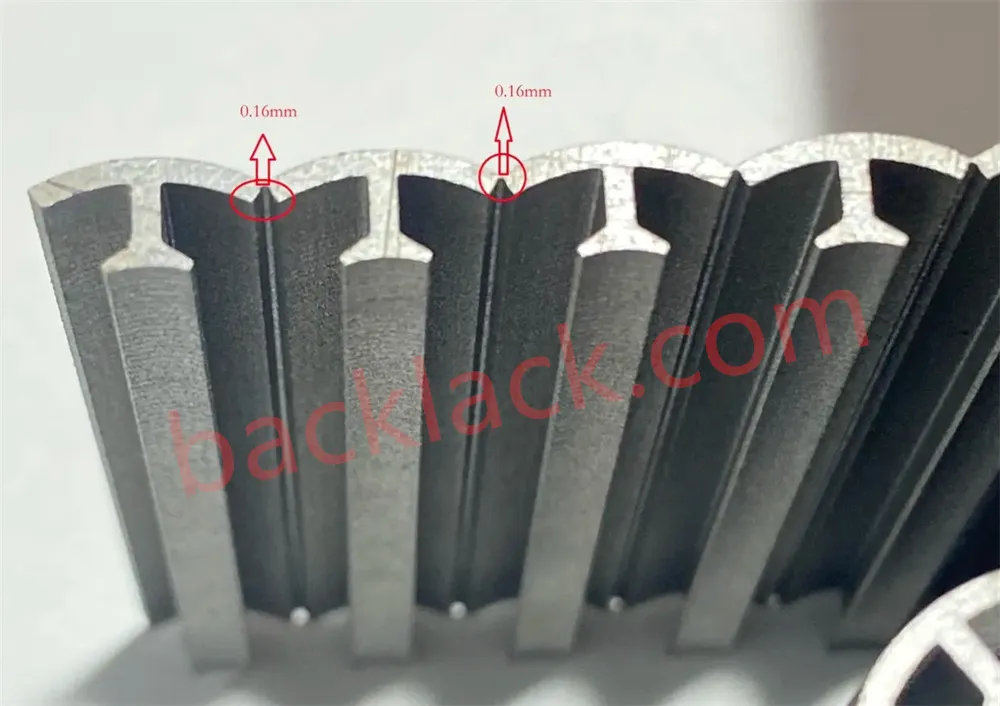
    Traditional stators rely on interlocking rivets or laser welding for lamination fastening. However, on micro-FPV drone motors, every single rivet or weld seam **pierces the lamination insulation**, generating localized eddy current loops.

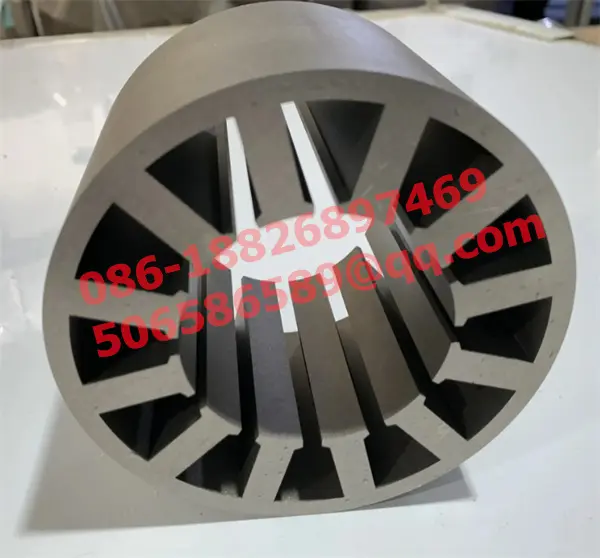
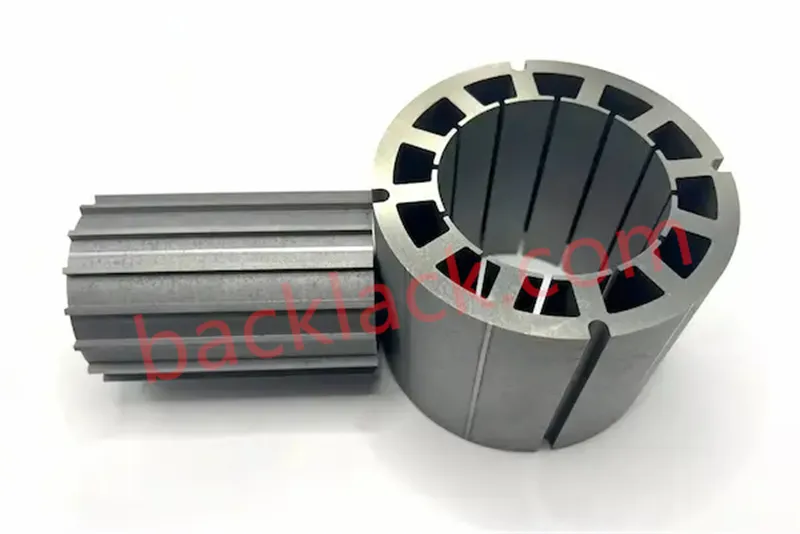
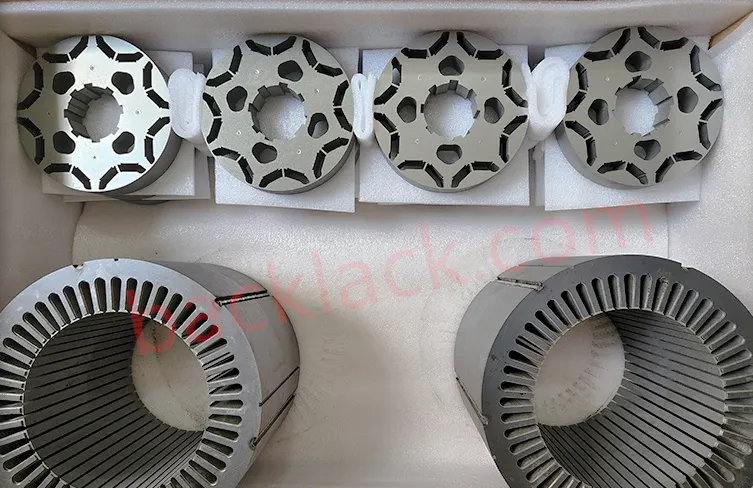
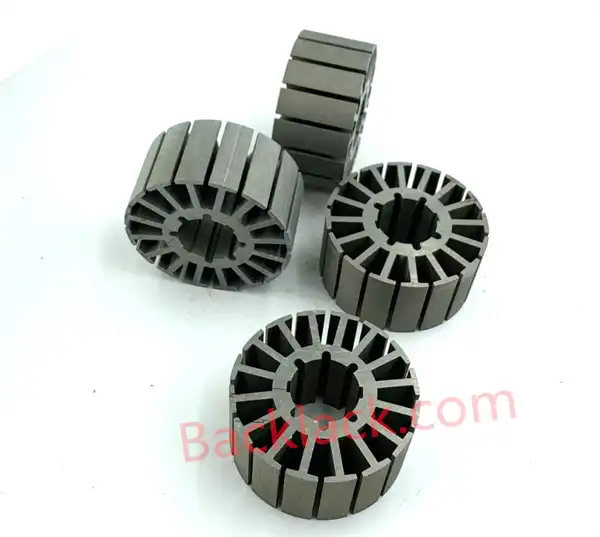
    Our Technical Standard: We heavily implement precision spot-gluing or interlaminar self-bonding (Backlack) technology. This process consistently elevates the stacking factor to 0.96 - 0.97+ while perfectly maintaining sheet-to-sheet electrical isolation. Testing shows that this rivetless bonding technology drops operating temperatures by 5 - 10°C—a critical temperature delta that prevents magnet degradation and keeps power delivery unyielding.

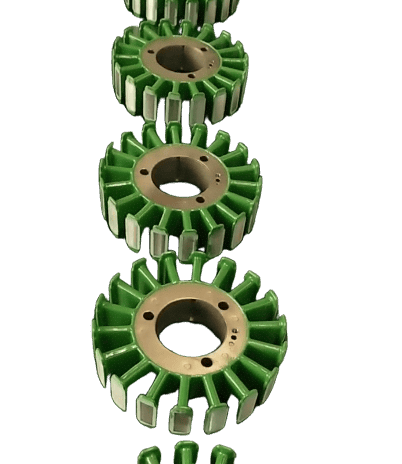
  4. Ultra-Thin Fluidized Bed Epoxy Slot Coating

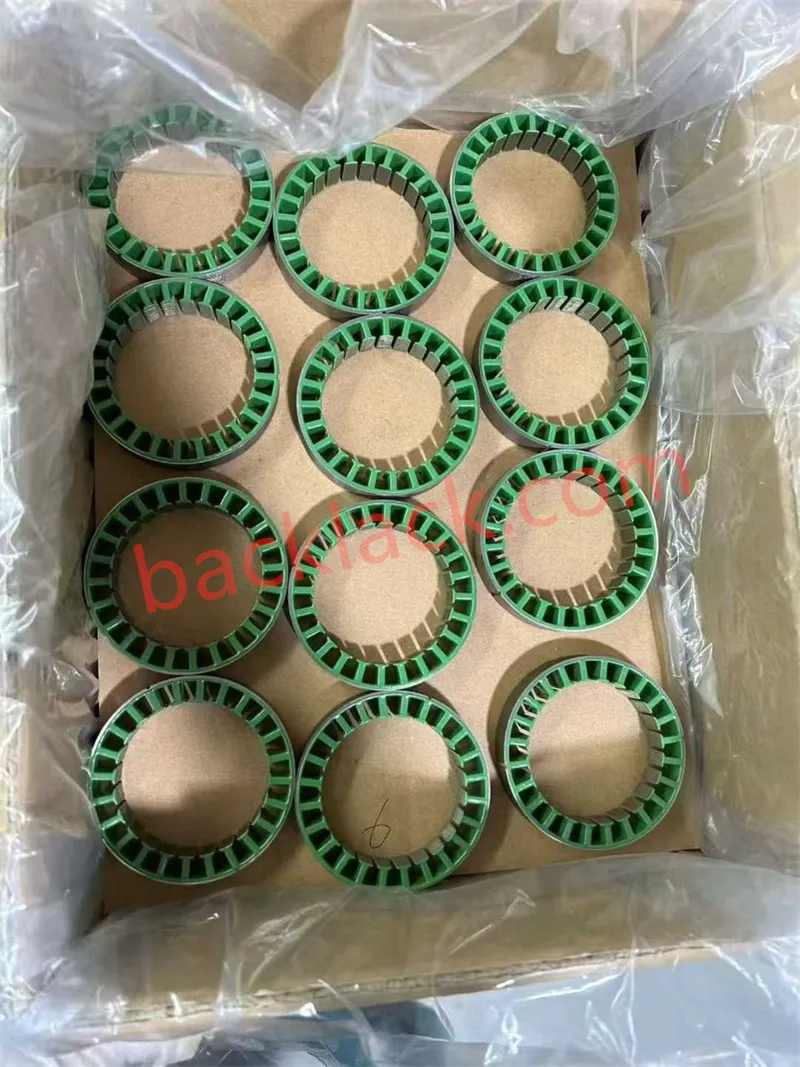
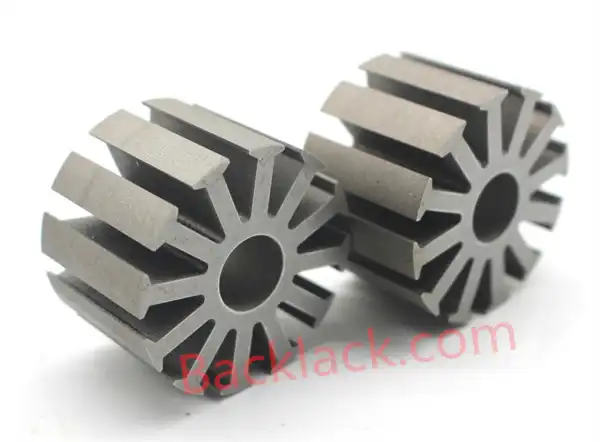
    Drone motor stators feature miniature outer diameters (ranging from 9mm to 22mm micro specs). To maximize slot space for the copper wire (thereby boosting the slot fill factor and motor power density), we utilize an ultra-thin resin insulation coating process instead of bulky plastic bobbins. This delivers robust dielectric insulation while giving all remaining space to the copper windings for maximum power output.
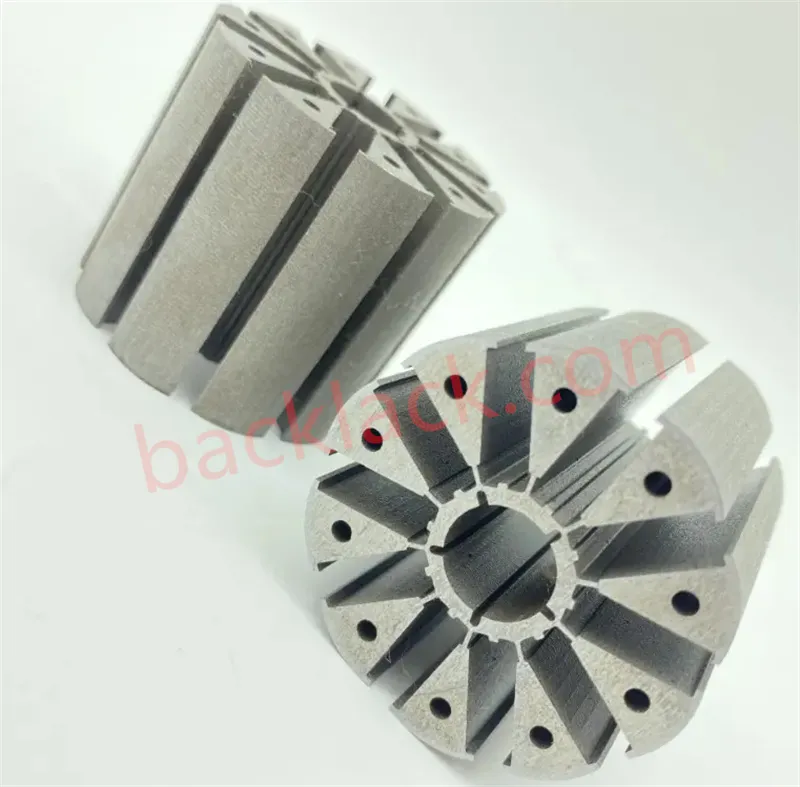
How To Reduce Eddy Current Losses In High Speed Fpv Drone Motors The Impact of Stator Lamination Thickness On Drone Motor Efficiency The Science of High Frequency Iron Losses In Micro Brushless Motors Why Do Fpv Drone Motors Overheat Fixing Core Loss At High Rpm How 0.1Mm Ultra Thin Silicon Steel Boosts Uav Motor Power Density Riveted Vs Bonded Stators Choosing the Best Assembly For Drone Motors How Backlack Self Bonding Technology Eliminates Interlaminar Short Circuits Optimizing Slot Fill Factor In Micro Drone Stators With Resin Coating How To Prevent Neodymium Magnet Demagnetization In High Frequency Uav Motors 10Jnex900 Vs 20Jneh1200 Which Jfe Super Core Is Best For Uav Motors Vacodur 49 Stator Cores Breaking Magnetic Saturation Limits In Drone Motors Cobalt Iron Alloys Vs Silicon Steel Premium Stator Materials For Aerospace Drones Silicon Steel Grades Comparison For High Frequency Bldc Motor Stators Why 10Jnex900 0.1Mm Lamination Is the Ultimate Choice For Fpv Racing Motors The Role of Vacuum Annealing In Unlocking Vacodur 49 Stator Magnetic Performance Minimizing Cogging Torque In Precision Uav Motors Via Custom Stator Geometry Soft Magnetic Alloys Selection Guide For High Performance Drone Motors Best High Permeability Stator Core Materials For Ultra Lightweight Uavs Custom Motor Cores For Heavy Lift Drones and Evtol Propulsion Systems High Precision Stator Cores For Semiconductor Wafer Handling Equipment Motors Ultra Low Heat Stator Cores For Micro Surgical Robotics and Medical Motors Custom Bldc Motor Stators For High Orbit Satellite Reaction Wheels Designing High Efficiency Stator Cores For Industrial Inspection Drones Precision Stator Requirements For Military and Aerospace Grade Uavs Tooling Free Rapid Prototyping For Custom Bldc Motor Stator Cores How To Source High Quality Custom Motor Lamination Stacks From China Progressive Die Stamping Vs Laser Cutting For Thin Stator Prototypes Finding A Reliable Custom Motor Core Manufacturer For Non Standard Topologies Stacking Factor Optimization In 0.1Mm Lamination Custom Stators Wholesale High Performance Stator Cores For Fpv Drone Motor Manufacturers

4. From Rapid Prototyping to Mass Production: One-Stop Agile Manufacturing

Drone motor iterations move at breakneck speeds, with new non-standard custom topologies emerging constantly. As a direct custom factory, we operate under the principle of speed:

  1. Tooling-Free Rapid Prototyping: Equipped with multi-axis precision laser cutting systems, we can process complex slot optimizations and intricate bridge geometries without expensive upfront tooling. **Prototype samples can be delivered in as fast as 24 hours**, massively decreasing your R&D risk and trial-and-error costs.
  2. Fully In-House Closed Loop: Our facility manages everything in-house—from material selection, electromagnetic simulation, precision stamping, vacuum annealing, and insulation coating, to core loss testing and high-low temperature environmental verification. We bypass all middlemen to give you factory-direct pricing for low-volume runs up to high-volume production.
  3. Cross-Industry Reach: Our ultra-thin stacking, high-frequency low-loss, and high-saturation core expertise goes beyond FPV racing. We regularly supply advanced cores for **micro surgical robotics, semiconductor wafer handling equipment, and high-orbit satellite reaction wheels**.

Conclusion

In today's fast-evolving drone landscape, the electric motor is the source of all performance, and its core lamination is the foundation of that power. **Without a premium, tailored custom stator core, even the finest copper wire and strongest magnets cannot unlock a motor's true potential.**

As pioneers in chasing high electromagnetic efficiency, Youyou Company provides the reliable craftsmanship and raw manufacturing power your product deserves. If you are developing or manufacturing RC drone or FPV racing motors and require lightweight, low-loss, high-precision, or high-saturation custom cores, contact our team today. Let's work together to empower your next flight to break all boundaries!
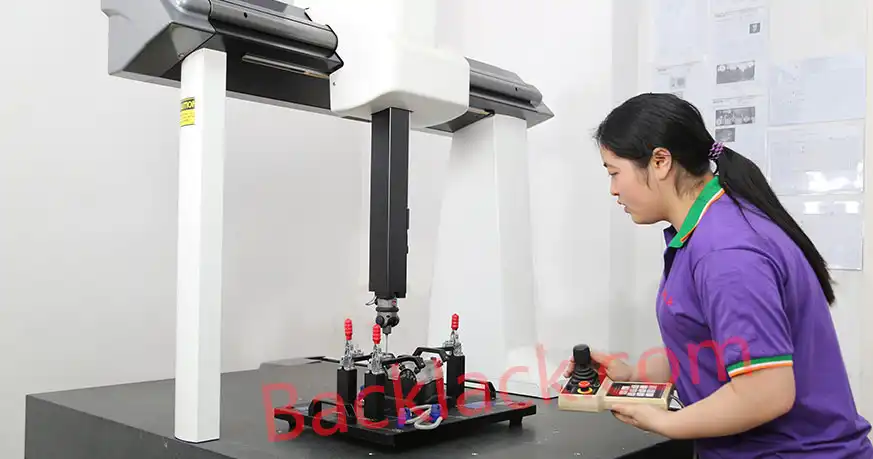
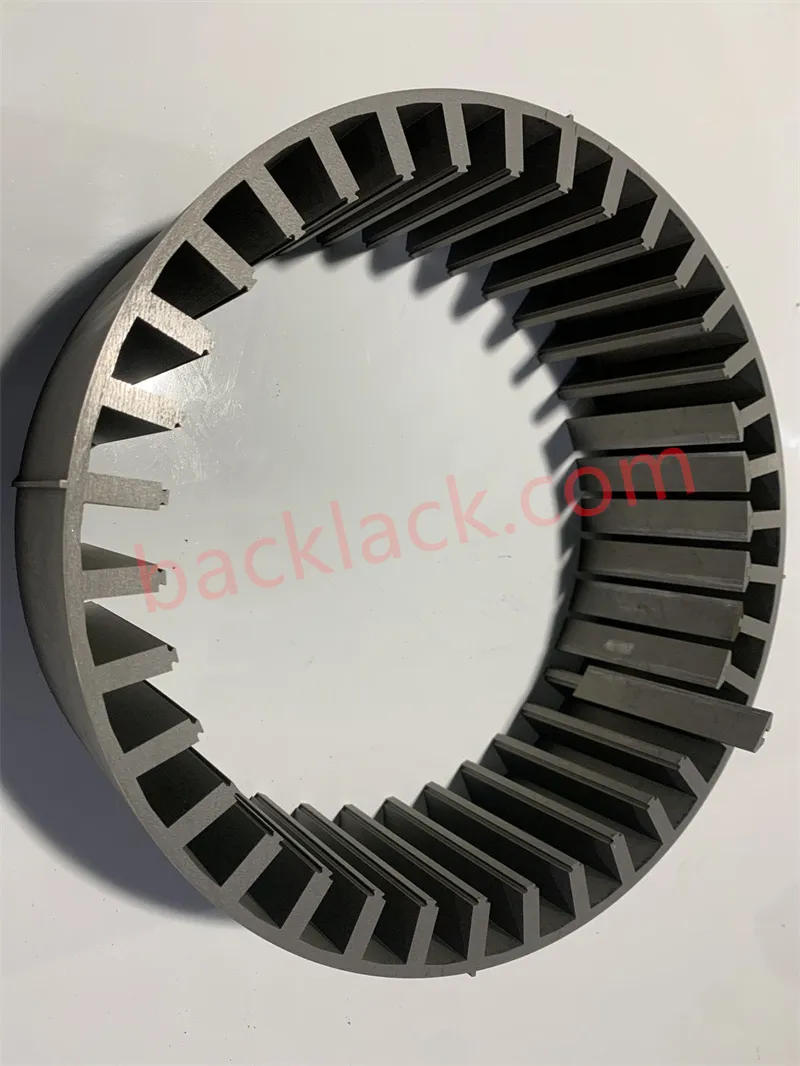
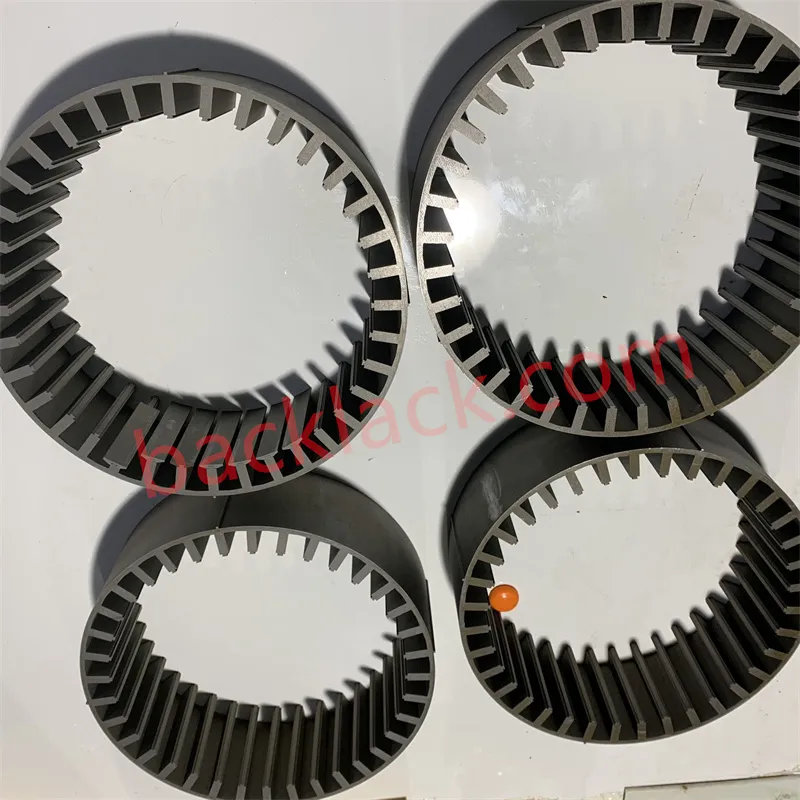
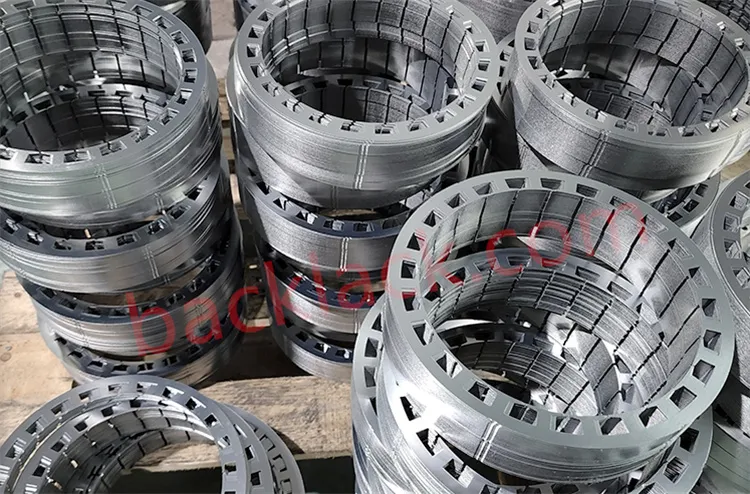
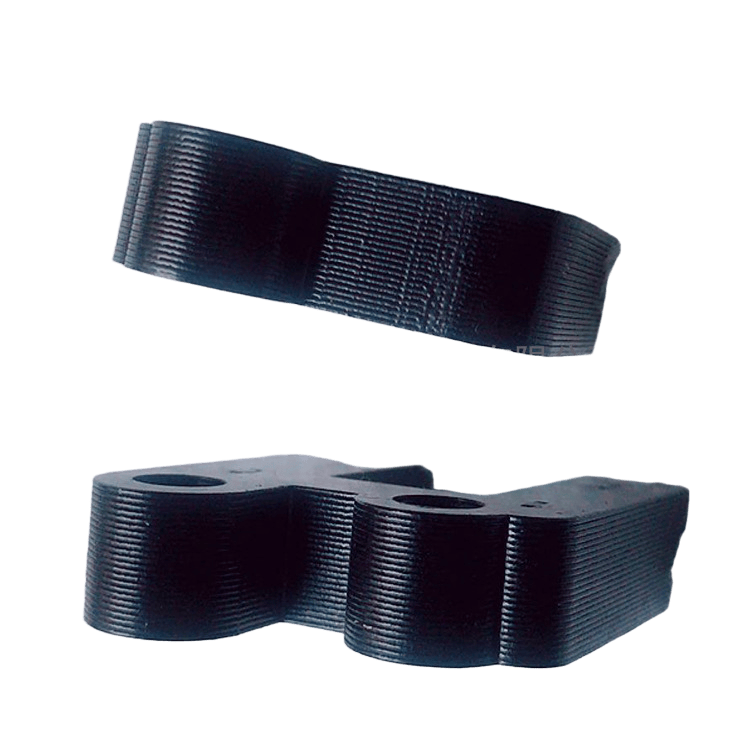
Quality Control for Lamination Bonding Stacks

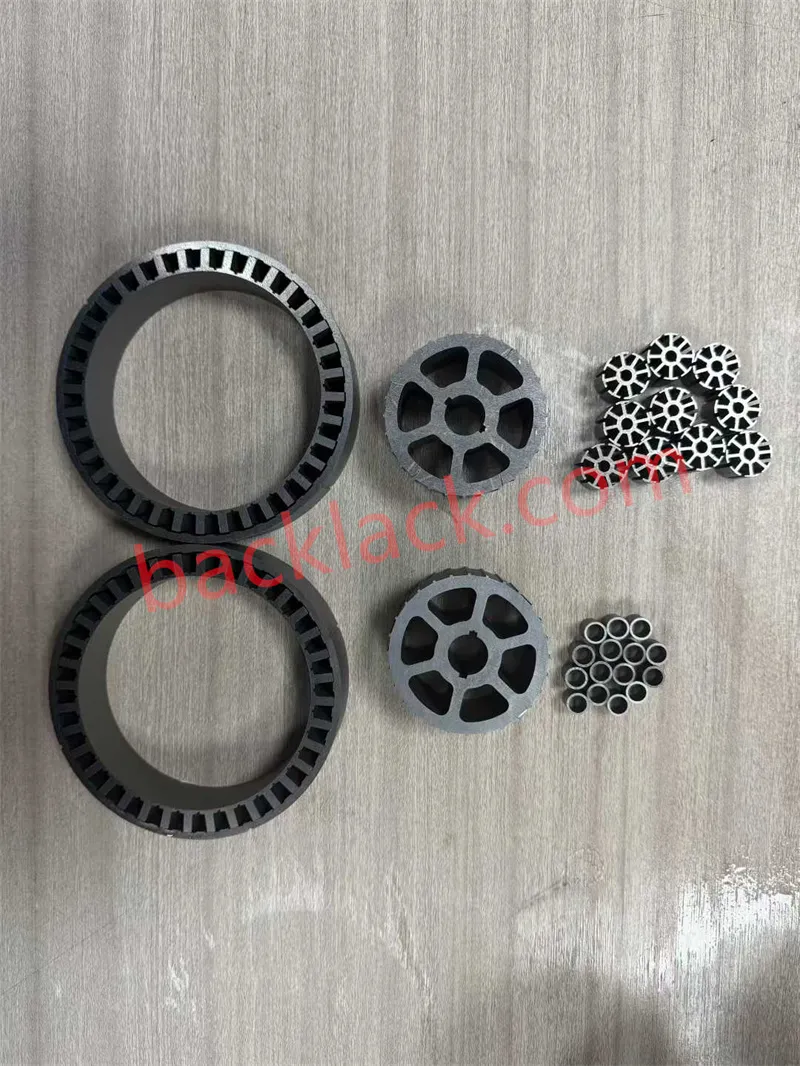
As an stator and rotor lamination bonding stack manufacturer in China, we strictly inspect the raw materials used to make the laminations.

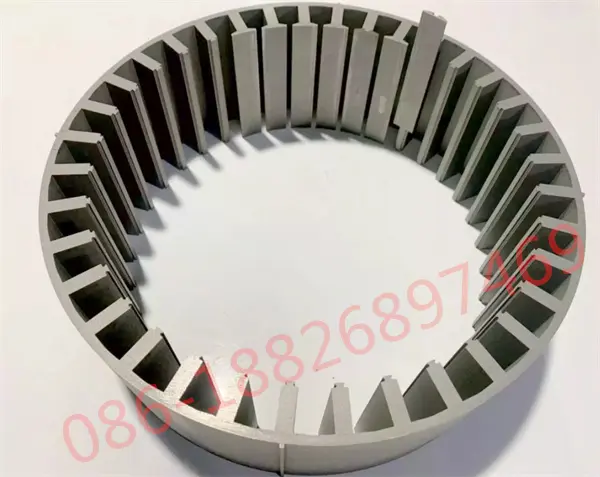
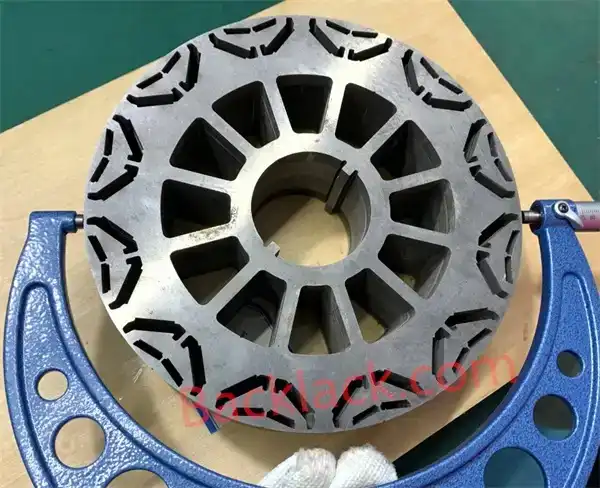
Technicians use measuring tools such as calipers, micrometers, and meters to verify the dimensions of the laminated stack.

Visual inspections are performed to detect any surface defects, scratches, dents, or other imperfections that may affect the performance or appearance of the laminated stack.

Because disc motor lamination stacks are usually made of magnetic materials such as steel, it is critical to test magnetic properties such as permeability, coercivity, and saturation magnetization.

Quality Control For Adhesive Rotor and Stator Laminations

Other Motor Laminations Assembly Process

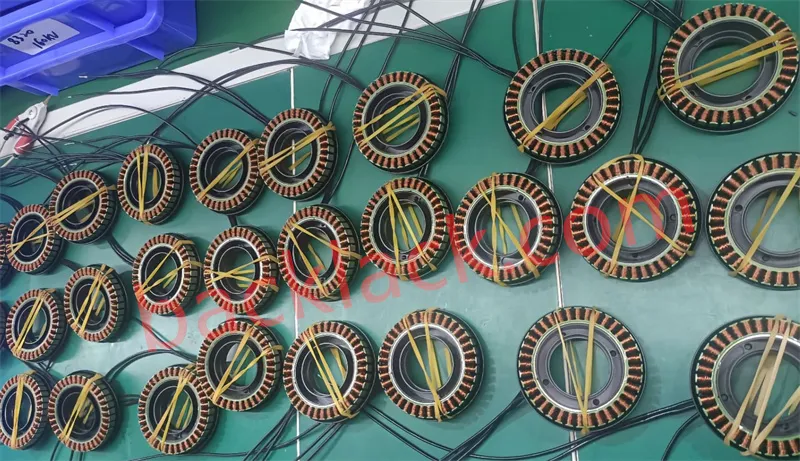
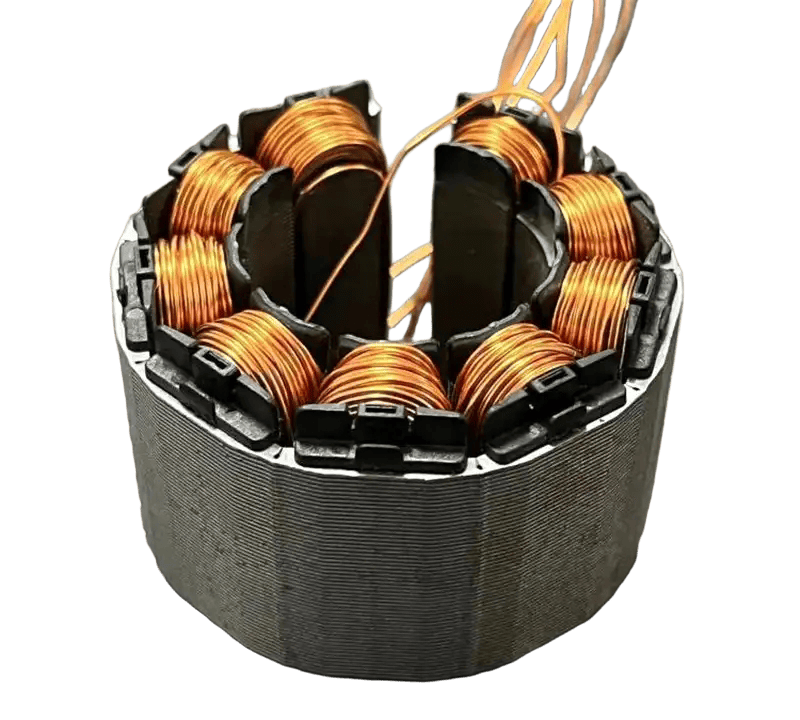
Stator Winding Process

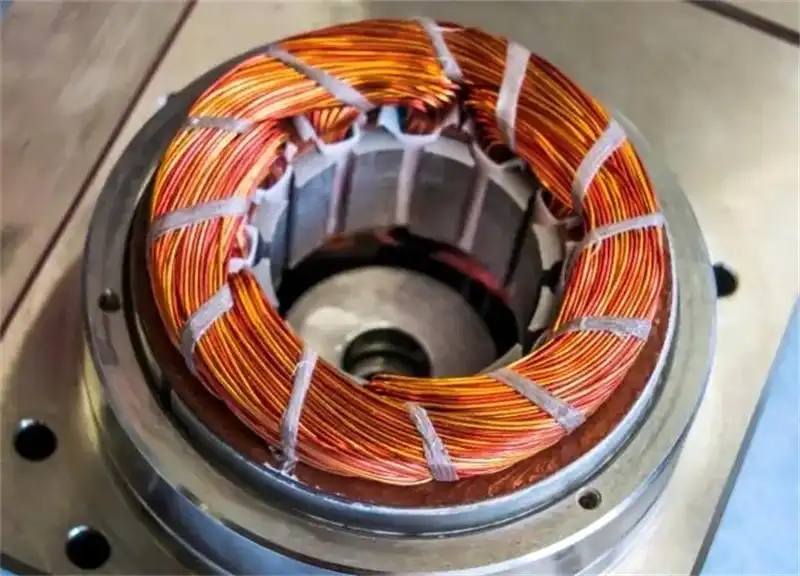
The stator winding is a fundamental component of the electric motor and plays a key role in the conversion of electrical energy into mechanical energy. Essentially, it consists of coils that, when energized, create a rotating magnetic field that drives the motor. The precision and quality of the stator winding directly affects the efficiency, torque, and overall performance of the motor.

We offer a comprehensive range of stator winding services to meet a wide range of motor types and applications. Whether you are looking for a solution for a small project or a large industrial motor, our expertise guarantees optimal performance and lifespan.

Motor Laminations Assembly Stator Winding Process

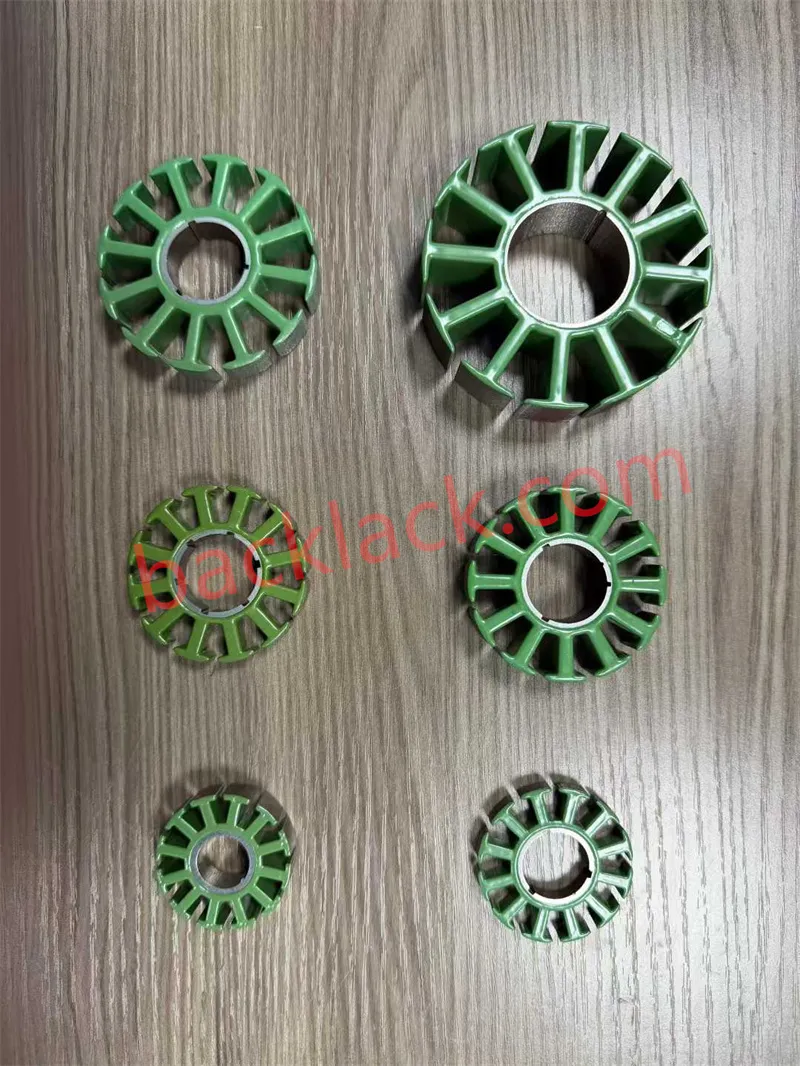
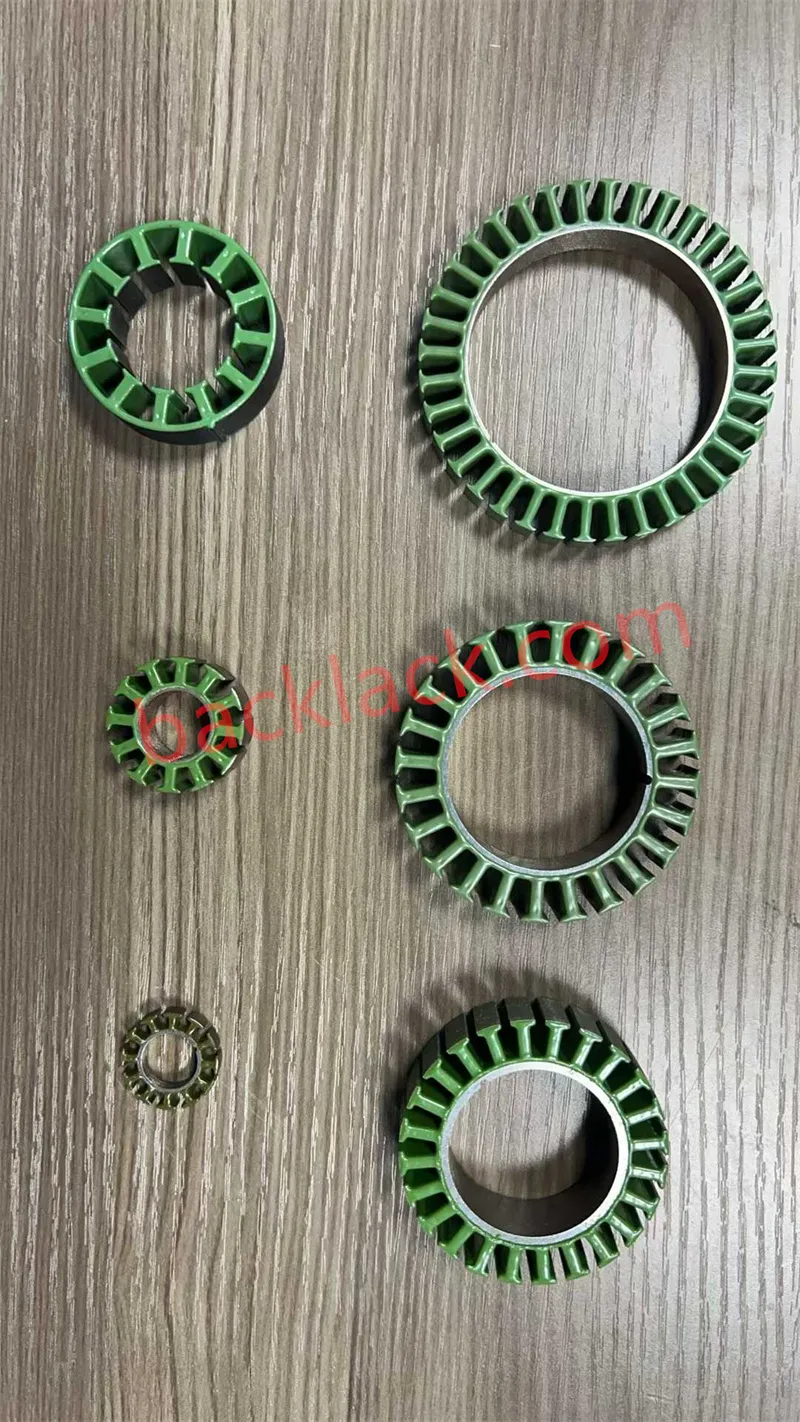
Epoxy powder coating for motor cores

Epoxy powder coating technology involves applying a dry powder which then cures under heat to form a solid protective layer. It ensures that the motor core has greater resistance to corrosion, wear and environmental factors. In addition to protection, epoxy powder coating also improves the thermal efficiency of the motor, ensuring optimal heat dissipation during operation.

We have mastered this technology to provide top-notch epoxy powder coating services for motor cores. Our state-of-the-art equipment, combined with the expertise of our team, ensures a perfect application, improving the life and performance of the motor.

Motor Laminations Assembly Epoxy Powder Coating For Motor Cores

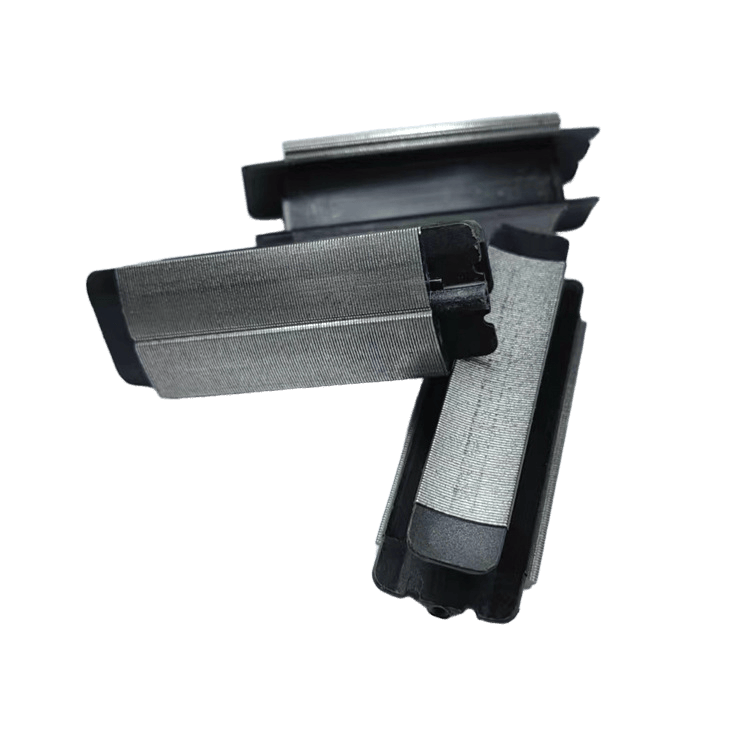
Injection Molding of Motor Lamination Stacks

Injection molding insulation for motor stators is a specialized process used to create an insulation layer to protect the stator's windings.

This technology involves injecting a thermosetting resin or thermoplastic material into a mold cavity, which is then cured or cooled to form a solid insulation layer.

The injection molding process allows for precise and uniform control of the thickness of the insulation layer, guaranteeing optimal electrical insulation performance. The insulation layer prevents electrical short circuits, reduces energy losses, and improves the overall performance and reliability of the motor stator.

Motor Laminations Assembly Injection Molding of Motor Lamination Stacks

Electrophoretic coating/deposition technology for motor lamination stacks

In motor applications in harsh environments, the laminations of the stator core are susceptible to rust. To combat this problem, electrophoretic deposition coating is essential. This process applies a protective layer with a thickness of 0.01mm to 0.025mm to the laminate.

Leverage our expertise in stator corrosion protection to add the best rust protection to your design.

Electrophoretic Coating Deposition Technology For Motor Lamination Stacks

FAQS

What thicknesses are there for motor lamination steel? 0.1MM?

The thickness of motor core lamination steel grades includes 0.05/0.10/0.15/0.20/0.25/0.35/0.5MM and so on. From large steel mills in Japan and China. There are ordinary silicon steel and 0.065 high silicon silicon steel. There are low iron loss and high magnetic permeability silicon steel. The stock grades are rich and everything is available..

What manufacturing processes are currently used for motor lamination cores?

In addition to stamping and laser cutting, wire etching, roll forming, powder metallurgy and other processes can also be used. The secondary processes of motor laminations include glue lamination, electrophoresis, insulation coating, winding, annealing, etc.

How to order motor laminations?

You can send us your information, such as design drawings, material grades, etc., by email. We can make orders for our motor cores no matter how big or small, even if it is 1 piece.

How long does it usually take you to deliver the core laminations?

Our motor laminate lead times vary based on a number of factors, including order size and complexity. Typically, our laminate prototype lead times are 7-20 days. Volume production times for rotor and stator core stacks are 6 to 8 weeks or longer.

Can you design a motor laminate stack for us?

Yes, we offer OEM and ODM services. We have extensive experience in understanding motor core development.

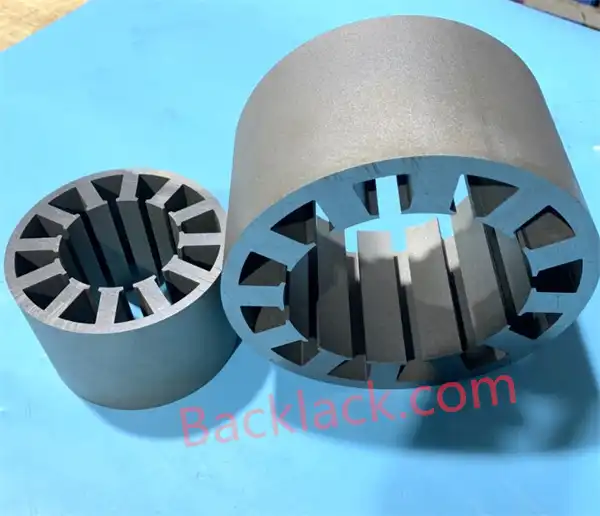
What is the advantages of bonding vs welding on rotor and stator?

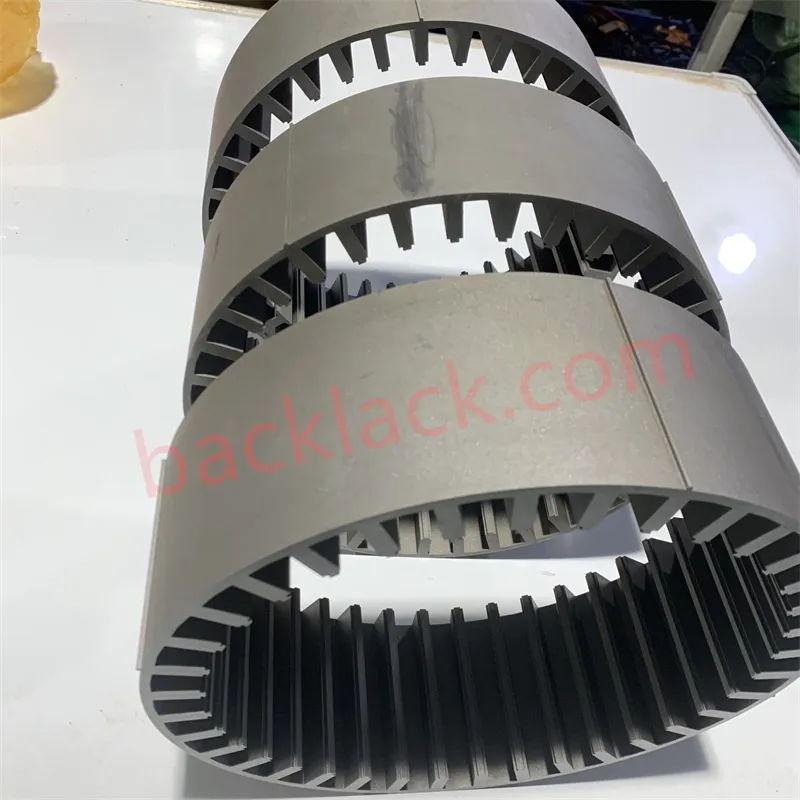
The concept of rotor stator bonding means using a roll coat process that applies an insulating backlack bonding agent to the motor lamination sheets after punching or laser cutting. The laminations are then put into a stacking fixture under pressure and heated a second time to complete the cure cycle. Bonding eliminates the need for a rivet joints or welding of the magnetic cores, which in turn reduces interlaminar loss. The bonded cores show optimal thermal conductivity, no hum noise, and do not breathe at temperature changes.

Can glue bonding withstand high temperatures?

Absolutely. The glue bonding technology we use is designed to withstand high temperatures. The adhesives we use are heat resistant and maintain bond integrity even in extreme temperature conditions, which makes them ideal for high-performance motor applications.

What is glue dot bonding technology and how does it work?

Glue dot bonding involves applying small dots of glue to the laminates, which are then bonded together under pressure and heat. This method provides a precise and uniform bond, ensuring optimal motor performance.

What is the difference between self-bonding and traditional bonding?

Self-bonding refers to the integration of the bonding material into the laminate itself, allowing the bonding to occur naturally during the manufacturing process without the need for additional adhesives. This allows for a seamless and long-lasting bond.

Can bonded laminates be used for segmented stators in electric motors?

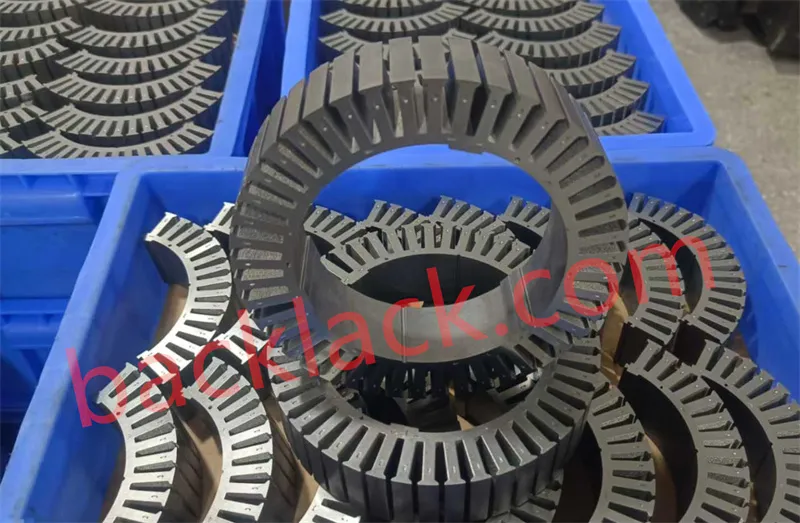
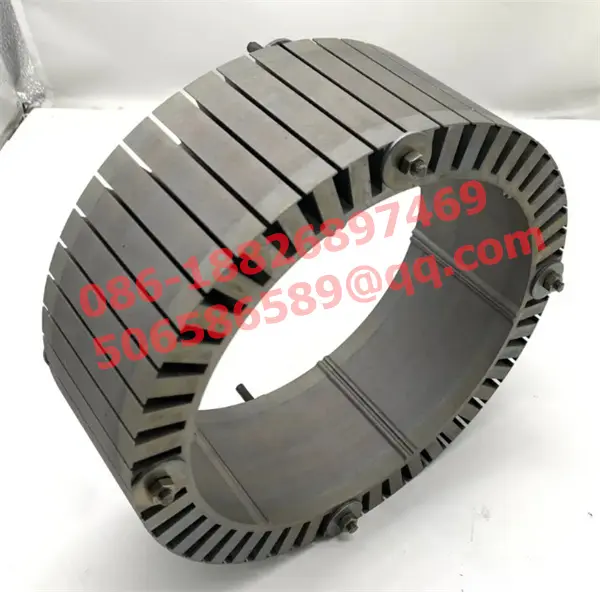
Yes, bonded laminations can be used for segmented stators, with precise bonding between the segments to create a unified stator assembly. We have mature experience in this area. Welcome to contact our customer servic.

Are you ready?

Start stator and rotor lamination Self-adhesive Cores stack Now!

Looking for a reliable stator and rotor lamination Self-adhesive Cores stack Manufacturer from China? Look no further! Contact us today for cutting-edge solutions and quality stator laminations that meet your specifications.

Contact our technical team now to obtain the self-adhesive silicon steel lamination proofing solution and start your journey of high-efficiency motor innovation!

Get Started Now

Recommended For You