As a specialized motor core manufacturer at the heart of the supply chain, Youyou Company stands at the forefront of industrial evolution. Entering 2026, the Brushless DC (BLDC) motor industry has moved beyond simple capacity competition. Today’s market is a "sprint for survival" defined by physical limits, material efficiency, and proprietary process moats.
From our perspective on the factory floor, the evolution of BLDC technology is essentially a battle against two enemies: Core Loss and Spatial Constraints.
The current BLDC market is undergoing a structural shift from "Price-Driven" to "Performance-Driven," fueled by three major 2026 trends:
2026 marks the commercial take-off for eVTOL (Electric Vertical Take-off and Landing) aircraft and Humanoid Robots. These applications demand motors that deliver massive torque in incredibly compact frames. This has led to a surge in orders for Vacodur 49 (Cobalt-Iron Alloy) and ultra-precise customized motor cores.
With the enforcement of the 2026 Global Motor Efficiency Directive, low-efficiency motors are being phased out rapidly. Market data shows that every 1% increase in efficiency correlates to a 15%+ increase in premium value. Clients are focusing on Eddy Current Loss Reduction.
Simple contract manufacturing is a dead end. The 2026 market requires suppliers to provide electromagnetic solution consulting. Youyou Company participates in the R&D stage to optimize magnetic paths via customized laminations.
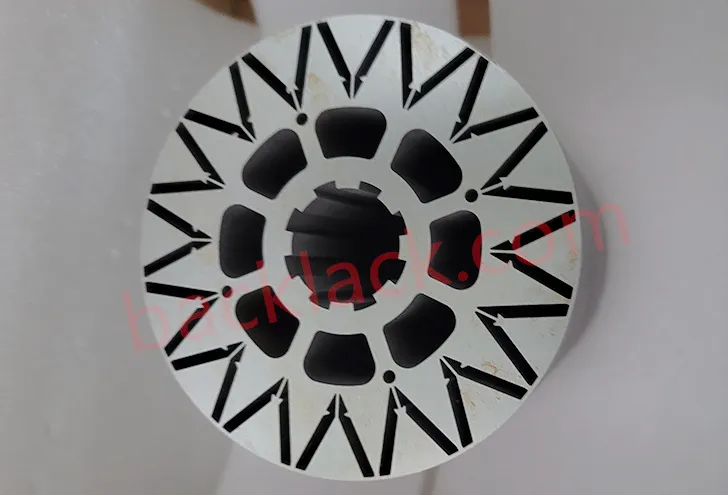
At high frequencies, eddy current loss is the primary "heat killer." We have achieved mass production of 0.1mm to 0.2mm Thin Gauge Electrical Steel using high-speed automated stamping.
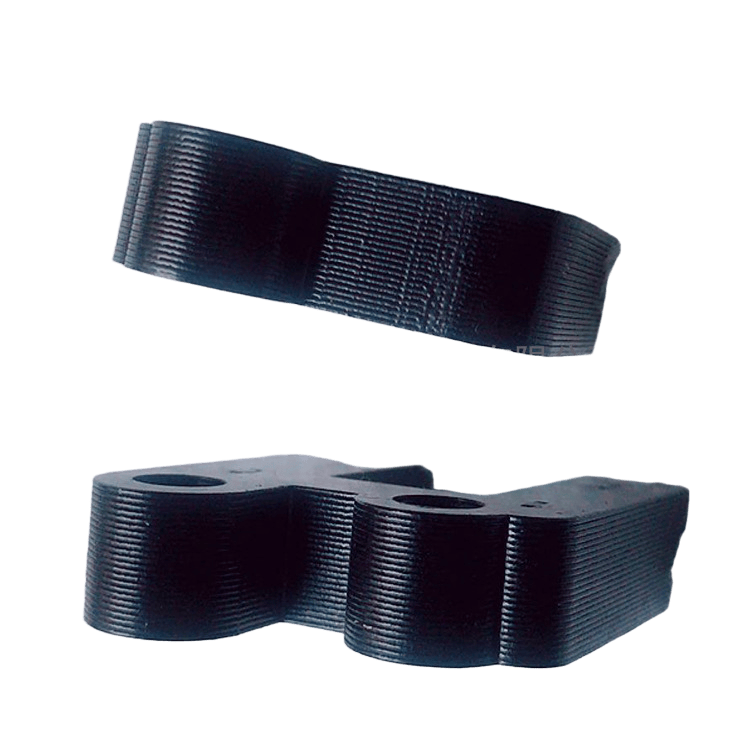
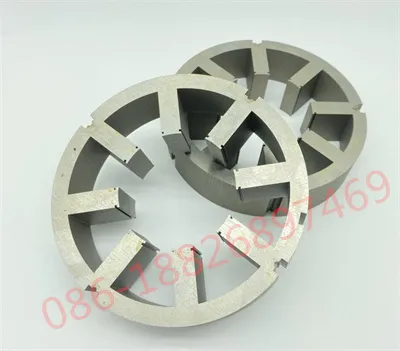
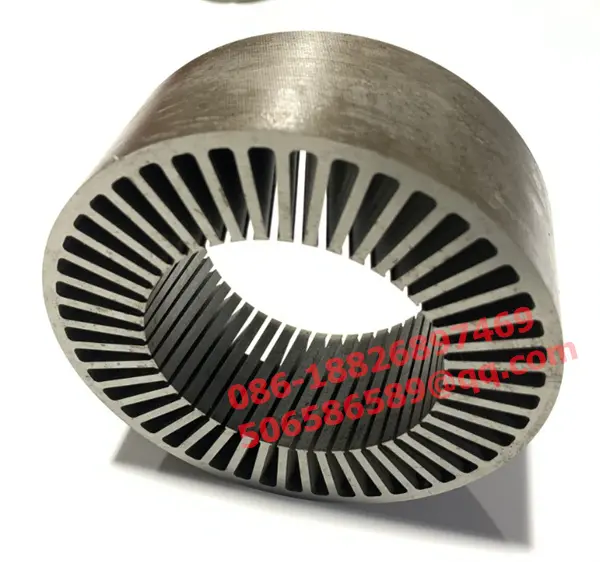
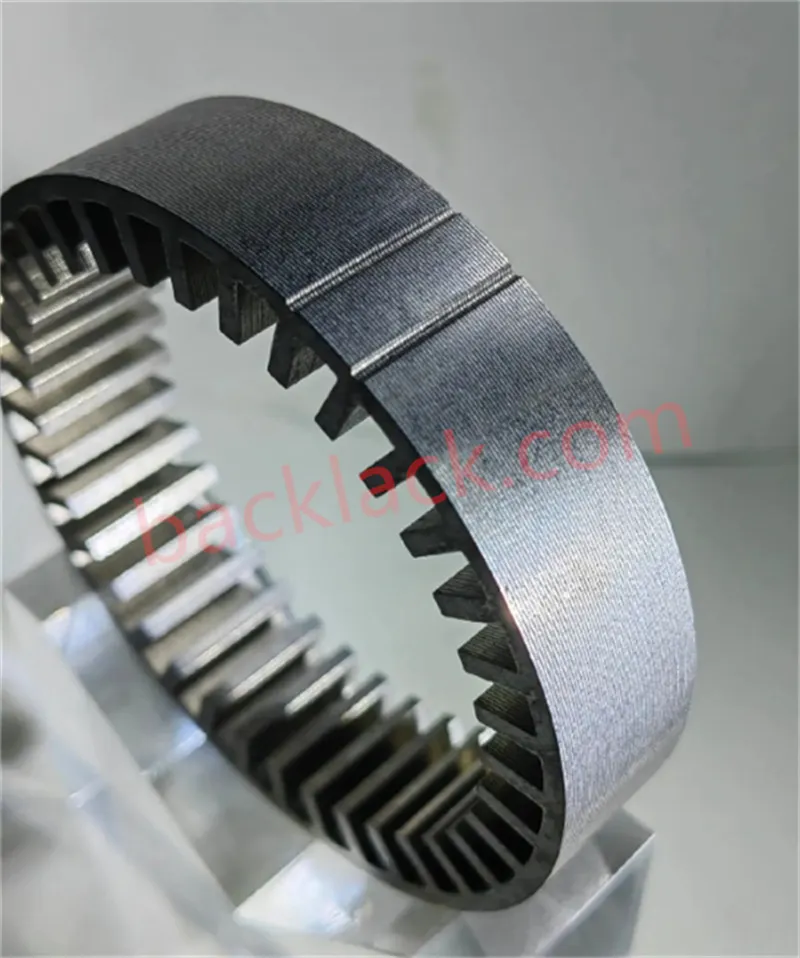
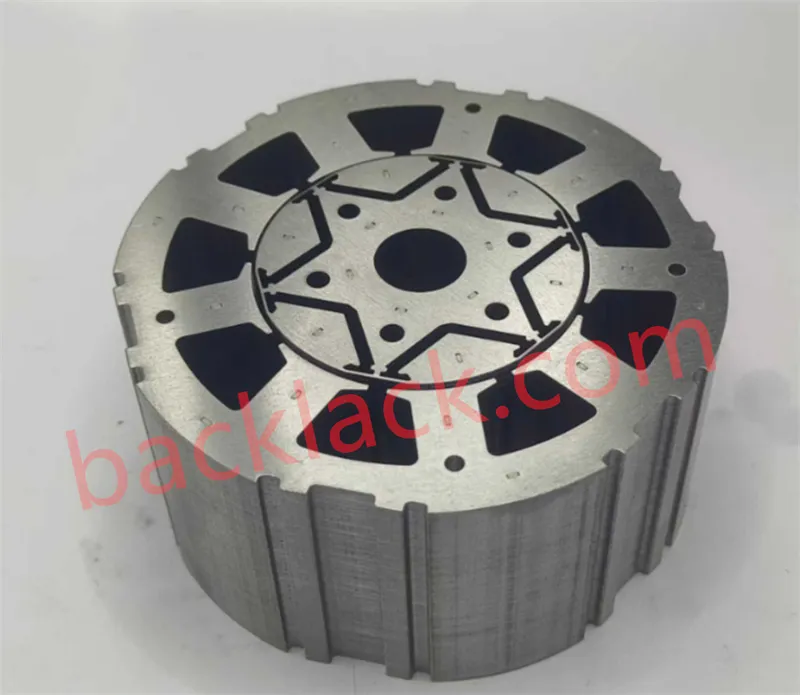
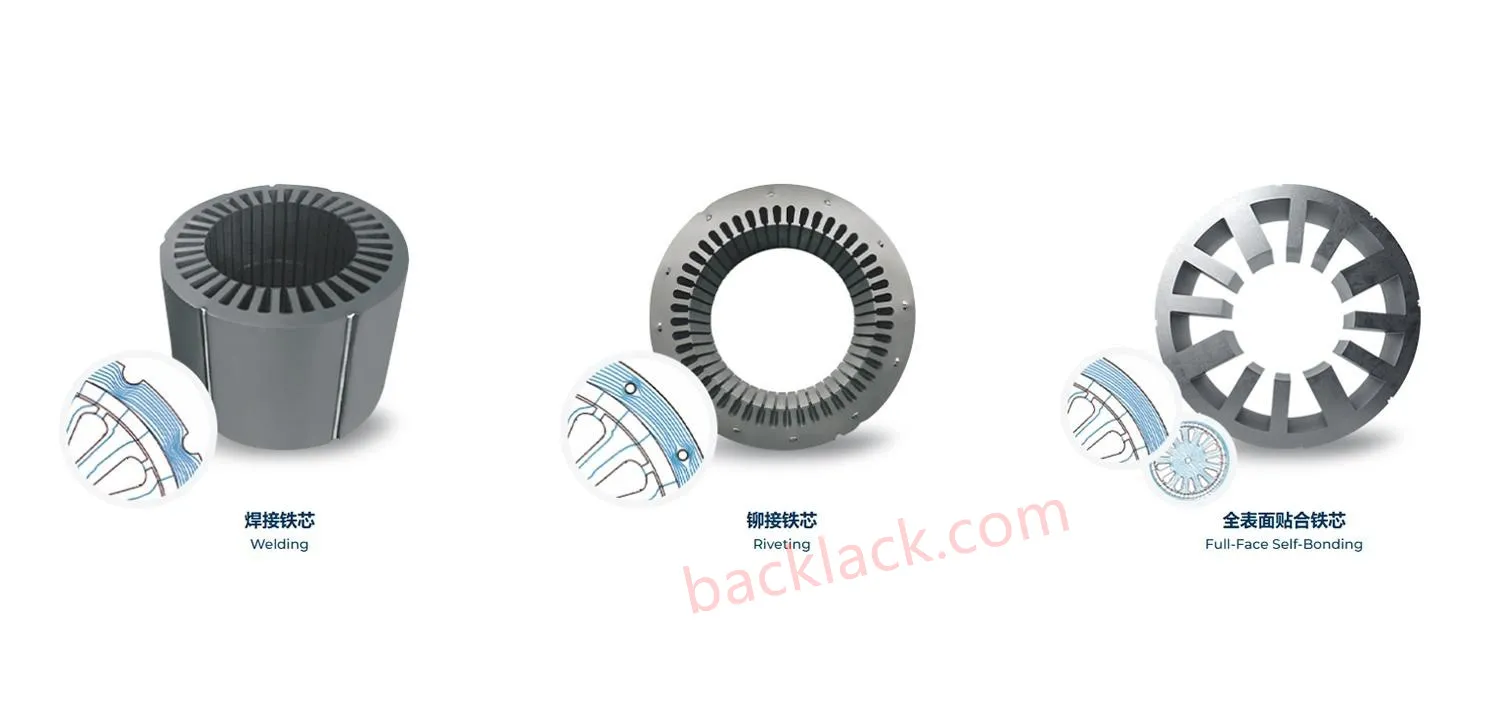
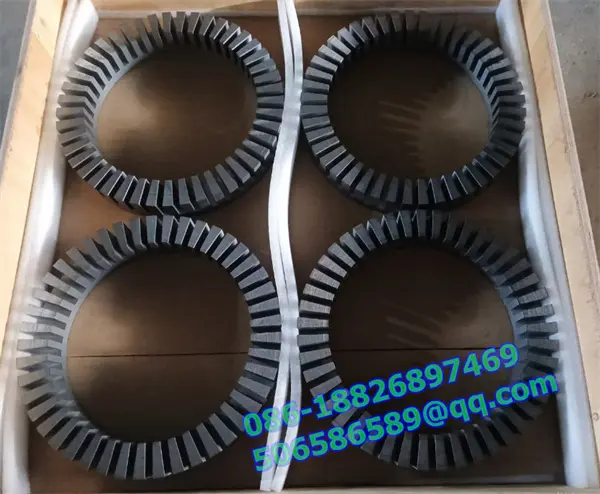
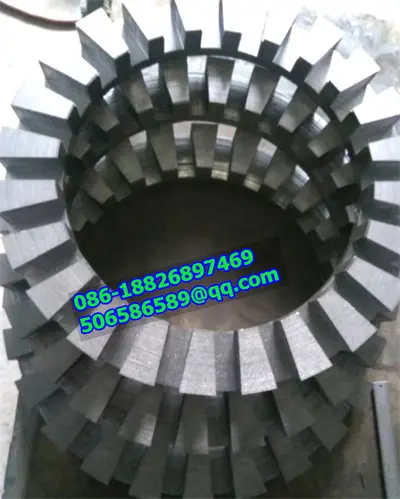
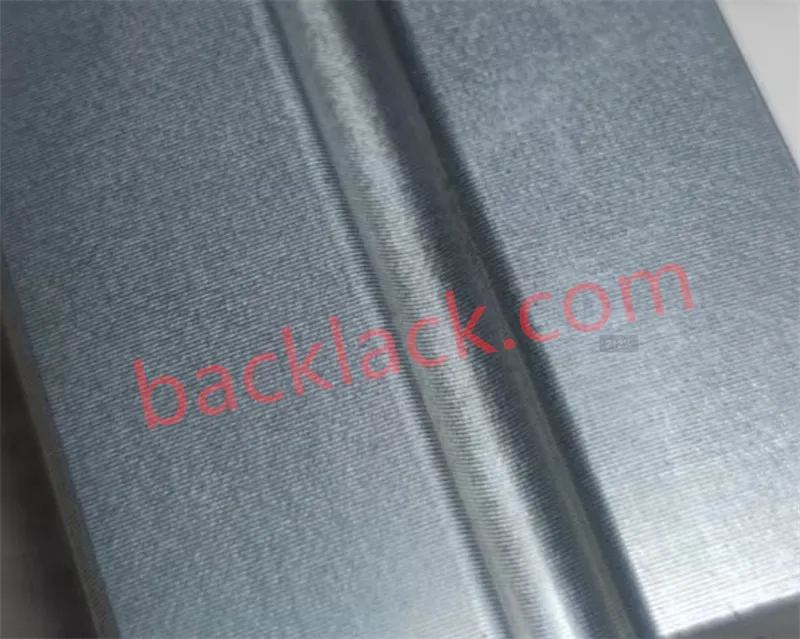
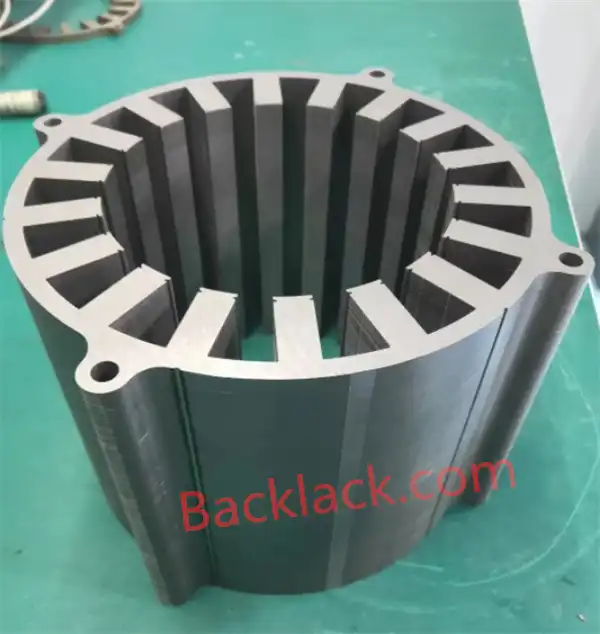
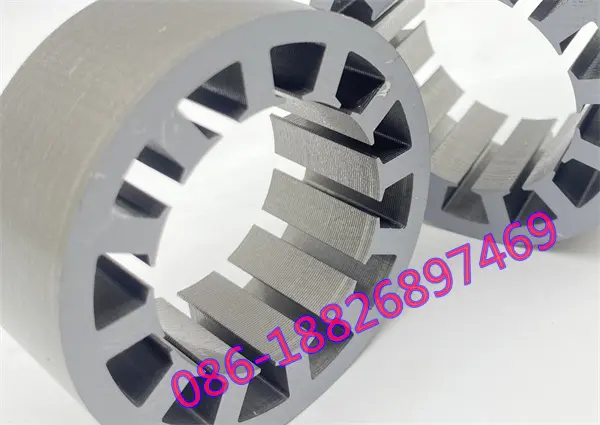
Traditional riveting or welding damages insulation and introduces stress. We implement Backlack Stator Core (Self-Bonding) technology.
Benefits
| 👍 Noise reduction by 3–5 dB—critical for consumer and medical devices. |
| 👍 Theoretical optimal magnetic distribution due to absence of mechanical joints. |
| 👍 Extreme structural rigidity under high-speed rotation (>100,000 RPM). |
Use Cases: Premium HVAC blowers, electric vehicle auxiliary motors, and precision robotics.
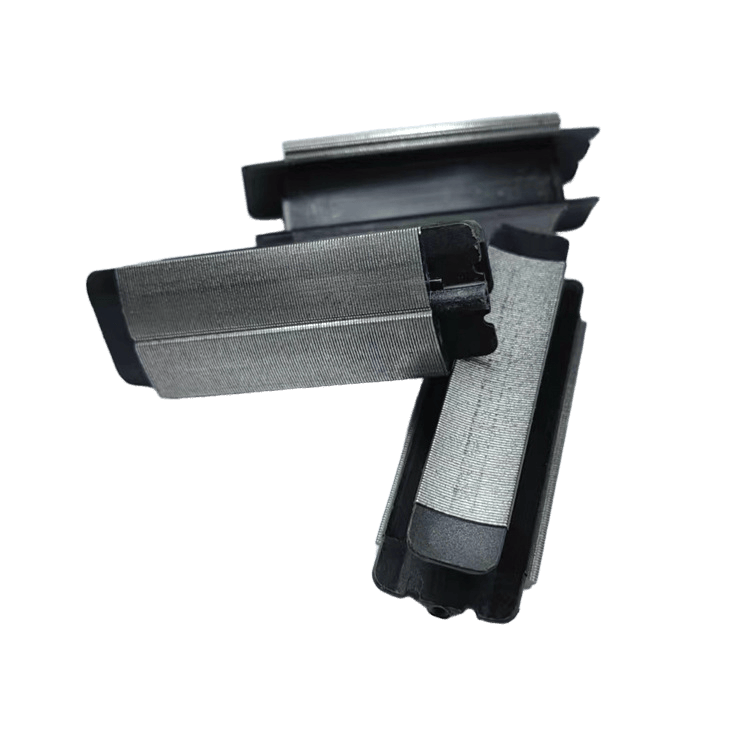
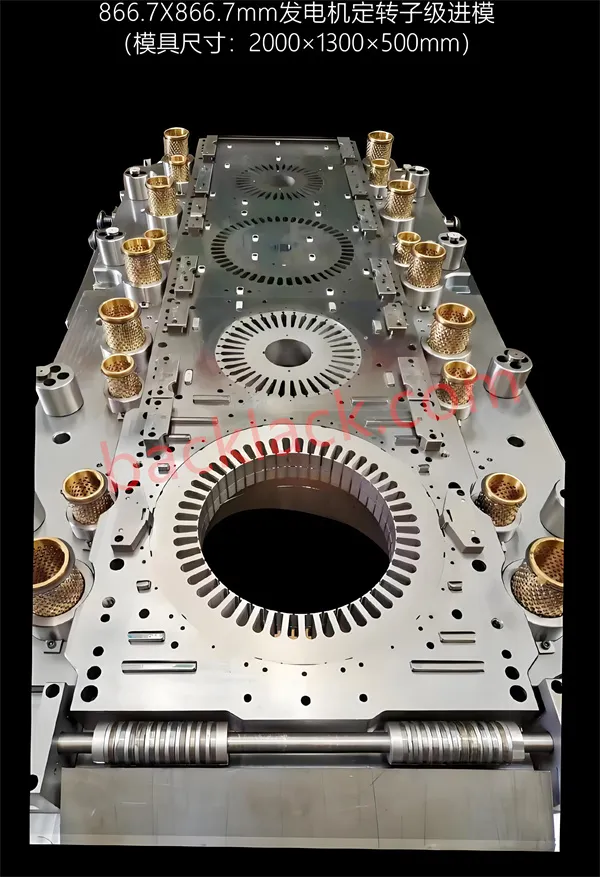
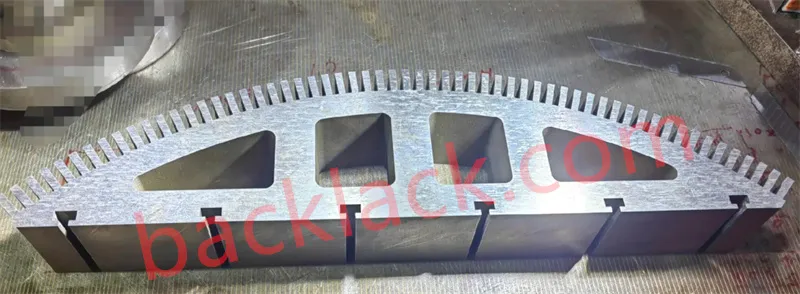
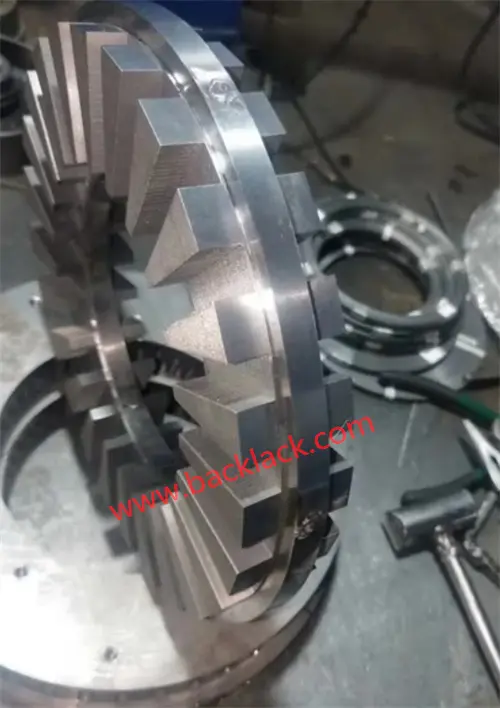
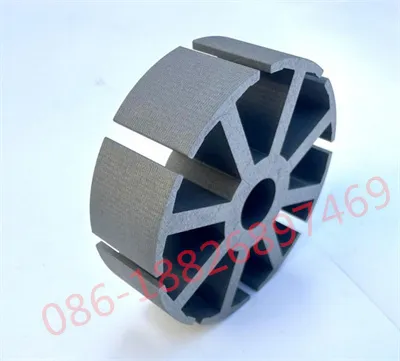
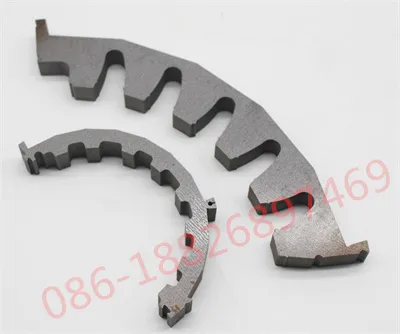
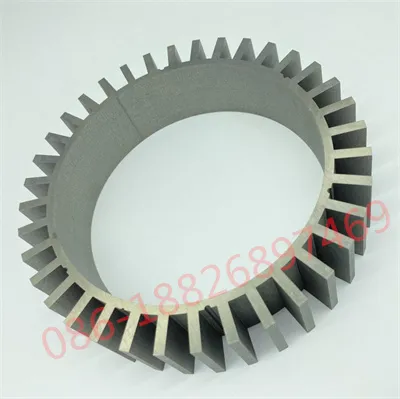
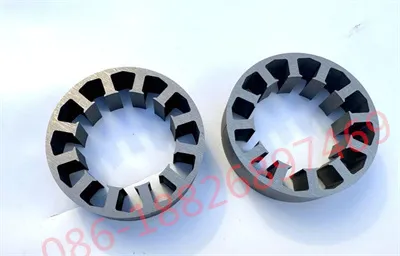
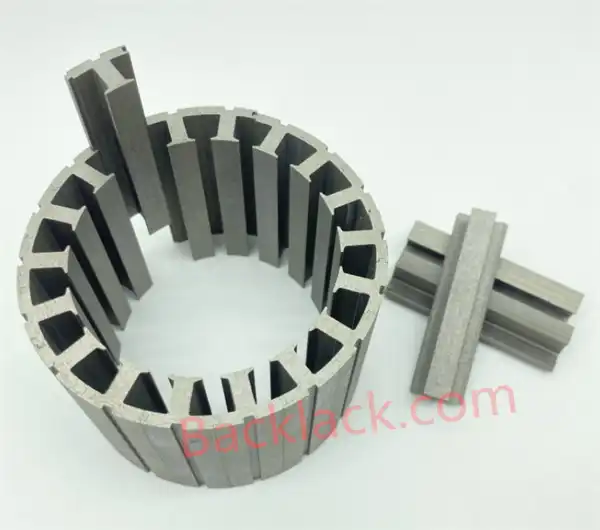
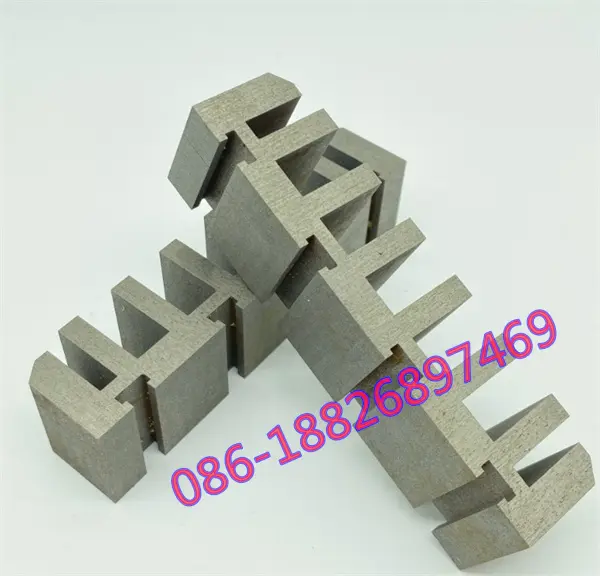
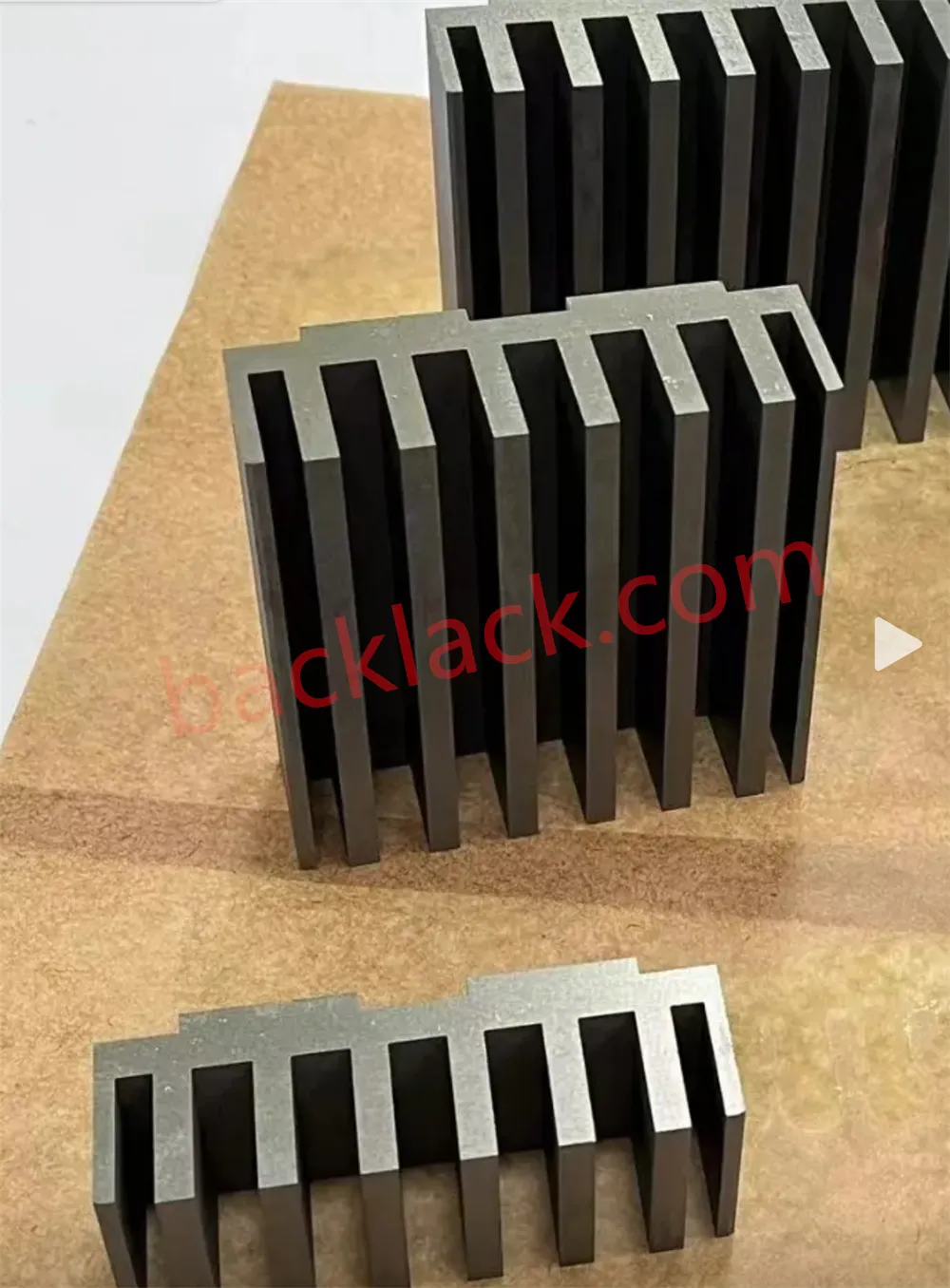
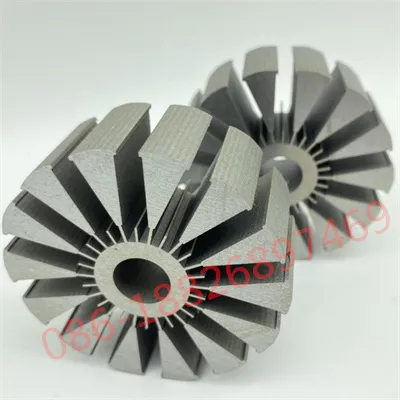
To maximize the Slot Fill Factor, we developed complex segmented stator solutions that enable tighter winding and better heat dissipation.
Youyou Company provides data-backed electromagnetic support, specializing in advanced alloys like:
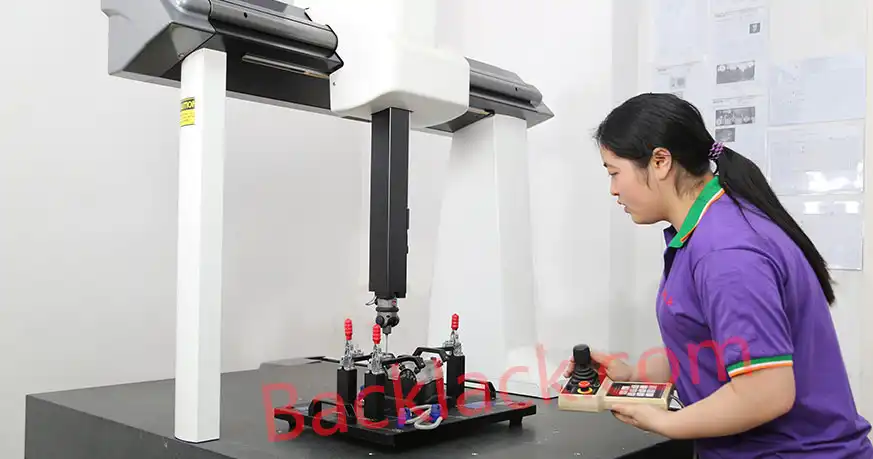
Our AI-driven inspection systems ensure Industry 4.0 compliance, with real-time monitoring of:
This closed-loop quality system reduces field failure rates by over 70% compared to industry averages.
In 2026, a mediocre core is an efficiency burden; a precision core is the foundation of innovation. As global decarbonization accelerates and intelligent machines proliferate, the motor core—the silent enabler—has become the strategic pivot of the entire BLDC ecosystem.
Youyou Company doesn’t just manufacture cores—we co-engineer the future of motion.
By mastering the interplay of materials science, geometric precision, and electromagnetic intelligence, we provide the underlying pivot for the global BLDC industry's efficiency upgrade.
We support VAC VACODUR 49, 1J50, Alloy 49, and Permenorm 5000 specifications.
We provide empirical B-H curve data from our post-annealed samples to assist in your electromagnetic simulations.
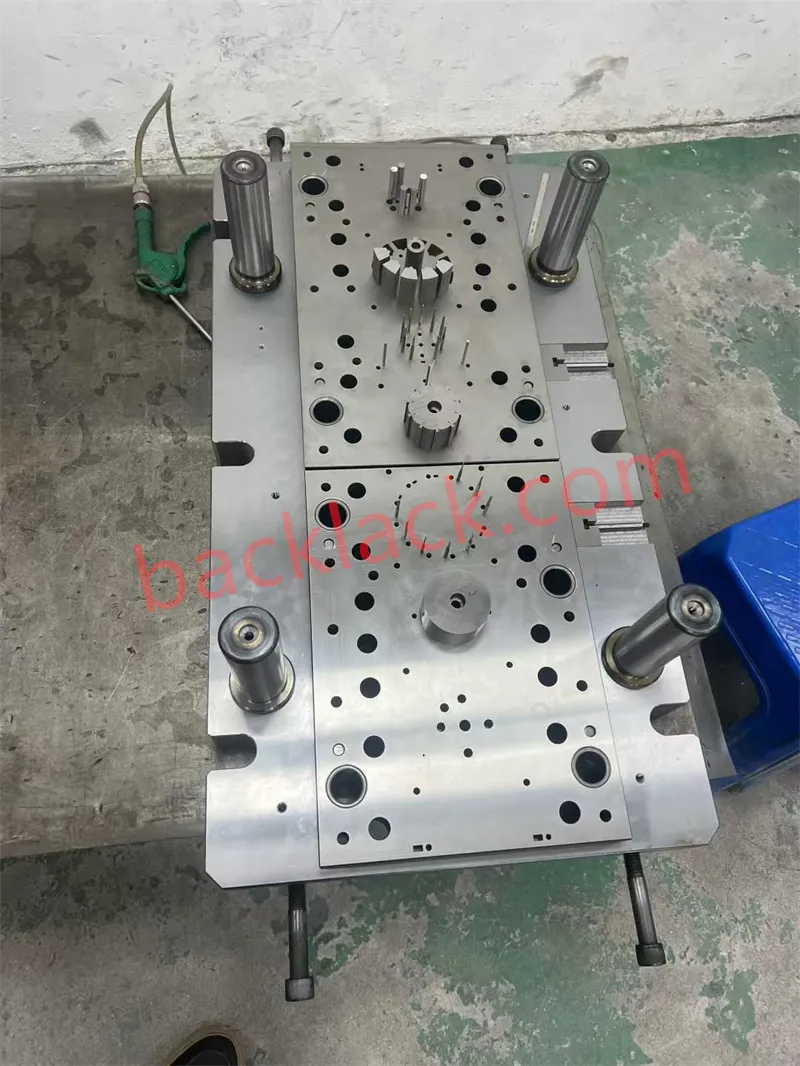
From rapid wire-cut prototypes to million-unit high-speed stamping runs.
A 0.1MM/0.2MM core is more than a mechanical component; it is the engine of efficiency. We understand every micron and every degree of temperature that influences your motor's performance.
Contact our engineering team today to power your next-generation motor project.
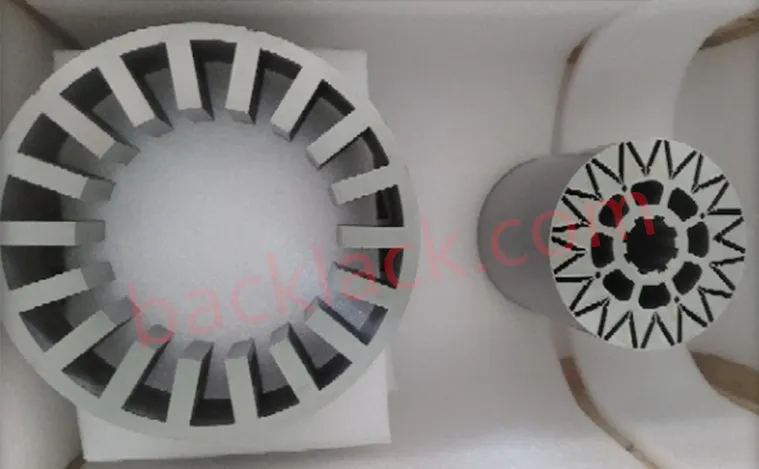
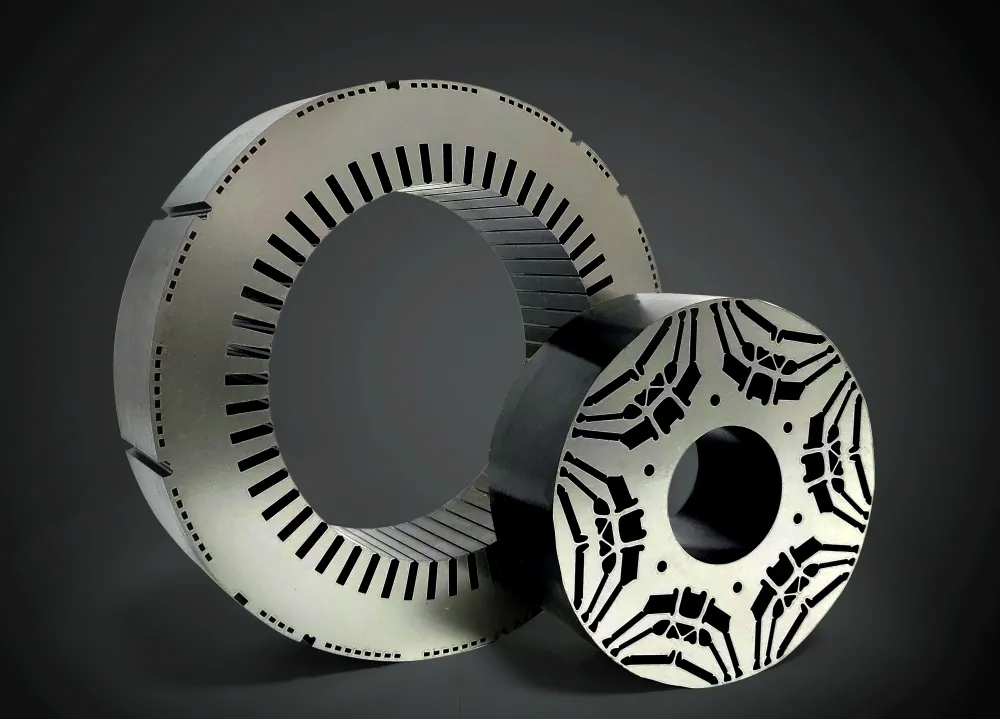
With decades of experience in precision motor core manufacturing, we specialize in custom stator and rotor laminations for the most demanding applications. Our capabilities include:
As an stator and rotor lamination bonding stack manufacturer in China, we strictly inspect the raw materials used to make the laminations.
Technicians use measuring tools such as calipers, micrometers, and meters to verify the dimensions of the laminated stack.
Visual inspections are performed to detect any surface defects, scratches, dents, or other imperfections that may affect the performance or appearance of the laminated stack.
Because disc motor lamination stacks are usually made of magnetic materials such as steel, it is critical to test magnetic properties such as permeability, coercivity, and saturation magnetization.
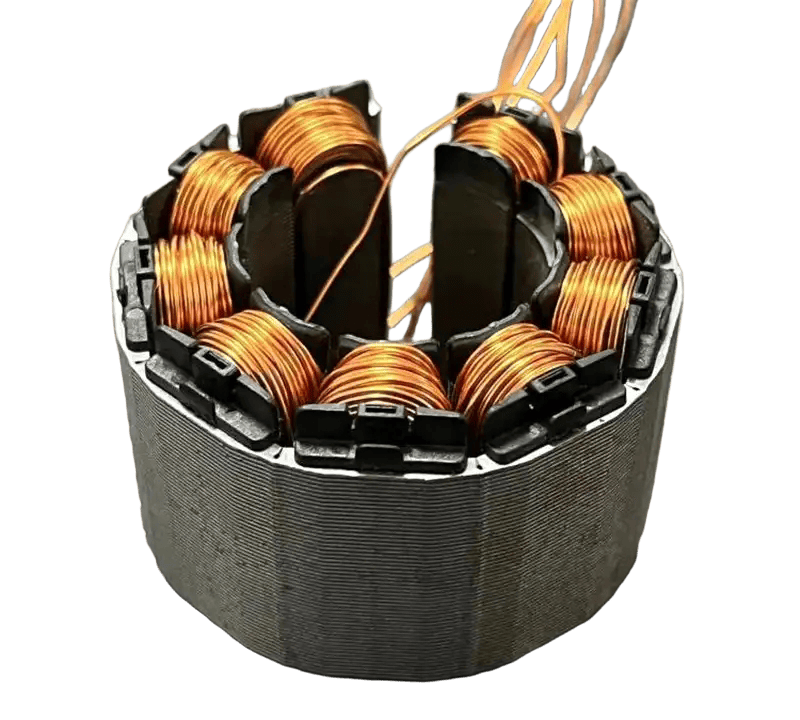
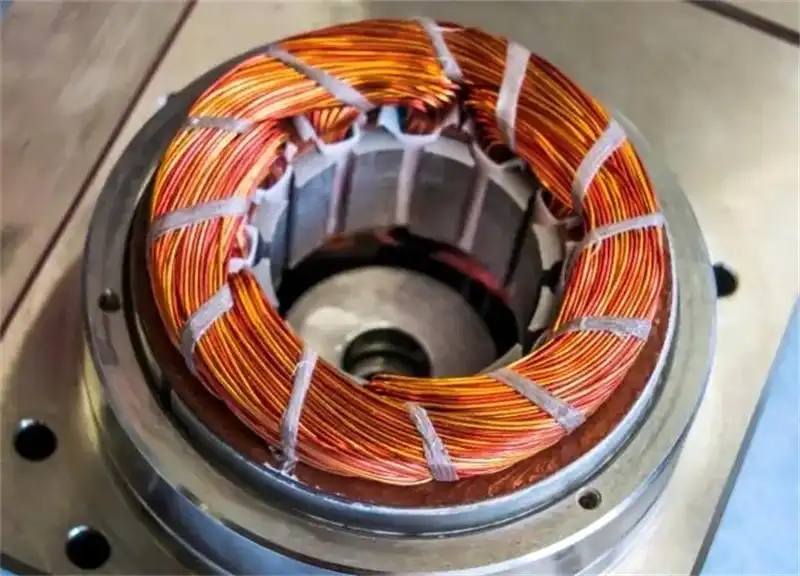
The stator winding is a fundamental component of the electric motor and plays a key role in the conversion of electrical energy into mechanical energy. Essentially, it consists of coils that, when energized, create a rotating magnetic field that drives the motor. The precision and quality of the stator winding directly affects the efficiency, torque, and overall performance of the motor.
We offer a comprehensive range of stator winding services to meet a wide range of motor types and applications. Whether you are looking for a solution for a small project or a large industrial motor, our expertise guarantees optimal performance and lifespan.
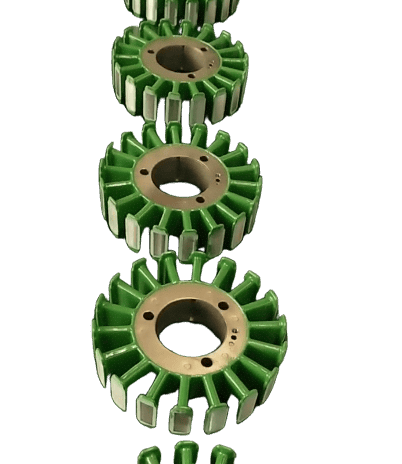
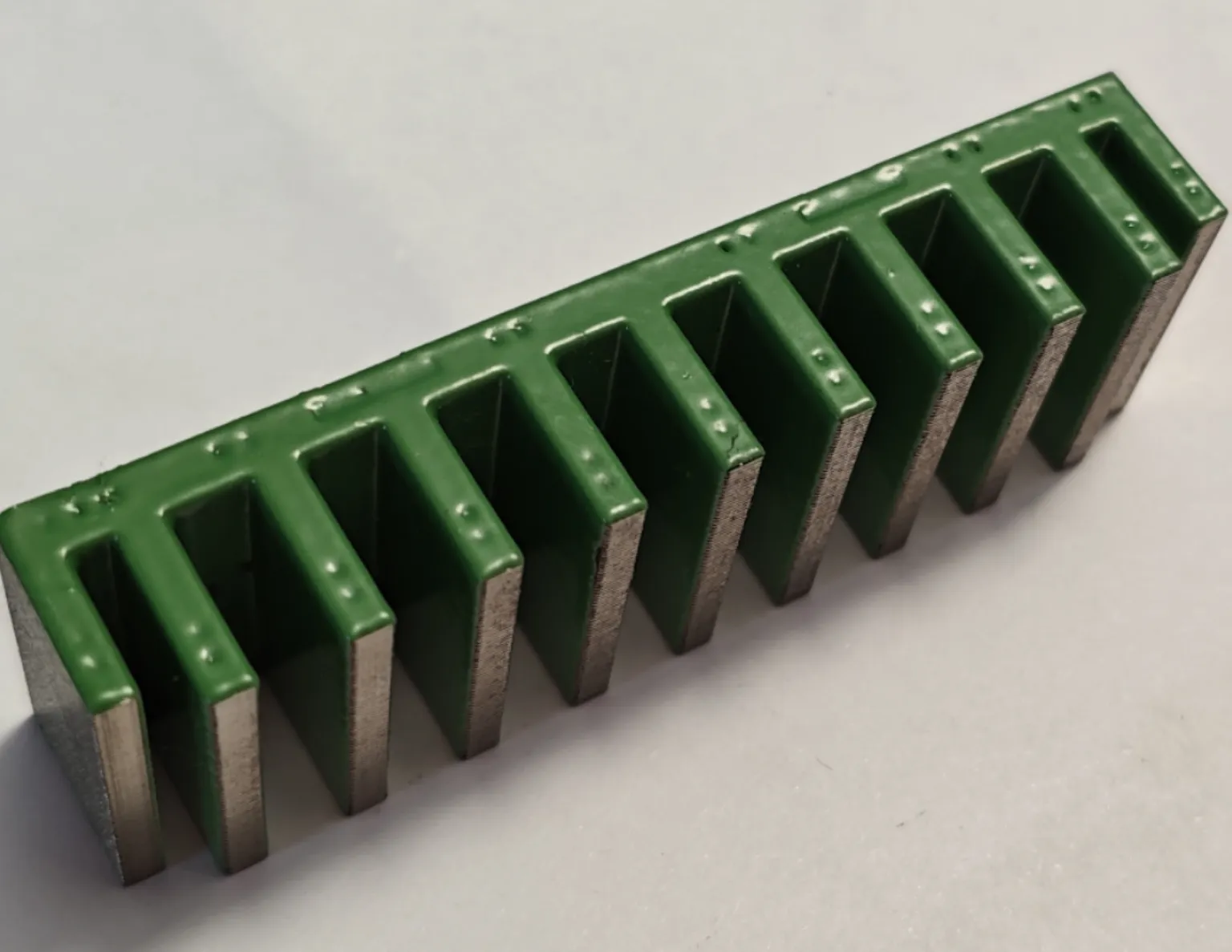
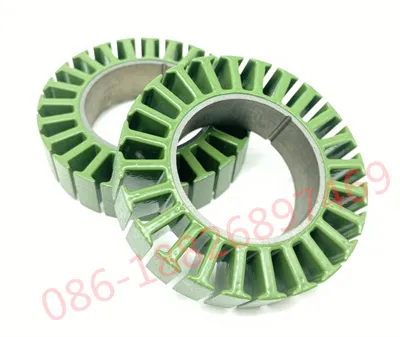
Epoxy powder coating technology involves applying a dry powder which then cures under heat to form a solid protective layer. It ensures that the motor core has greater resistance to corrosion, wear and environmental factors. In addition to protection, epoxy powder coating also improves the thermal efficiency of the motor, ensuring optimal heat dissipation during operation.
We have mastered this technology to provide top-notch epoxy powder coating services for motor cores. Our state-of-the-art equipment, combined with the expertise of our team, ensures a perfect application, improving the life and performance of the motor.
Injection molding insulation for motor stators is a specialized process used to create an insulation layer to protect the stator's windings.
This technology involves injecting a thermosetting resin or thermoplastic material into a mold cavity, which is then cured or cooled to form a solid insulation layer.
The injection molding process allows for precise and uniform control of the thickness of the insulation layer, guaranteeing optimal electrical insulation performance. The insulation layer prevents electrical short circuits, reduces energy losses, and improves the overall performance and reliability of the motor stator.
In motor applications in harsh environments, the laminations of the stator core are susceptible to rust. To combat this problem, electrophoretic deposition coating is essential. This process applies a protective layer with a thickness of 0.01mm to 0.025mm to the laminate.
Leverage our expertise in stator corrosion protection to add the best rust protection to your design.
For high-volume production, silicon steel (0.20-0.35mm) remains the most cost-effective option. It offers an excellent balance of performance, manufacturability, and cost. For applications requiring better high-frequency performance, ultra-thin silicon steel (0.10-0.15mm) provides improved efficiency with only a moderate cost increase. Advanced composite laminations can also reduce total manufacturing cost through simplified assembly processes.
The choice depends on your specific requirements: Amorphous metals offer the lowest core losses (70-90% lower than silicon steel) and are ideal for applications where efficiency is paramount. Nanocrystalline cores provide a better combination of high permeability and low losses, along with superior temperature stability and mechanical properties. Generally, choose amorphous metals for maximum efficiency at high frequencies, and nanocrystalline cores when you need balanced performance across a wider range of operating conditions.
For premium EV applications where power density and efficiency are critical, cobalt-iron alloys like Vacodur 49 can provide significant advantages. The 2-3% efficiency gain and 20-30% size reduction can justify the higher material cost in performance-oriented vehicles. However, for mass-market EVs, advanced silicon steel grades often provide better overall value. We recommend conducting a total lifecycle cost analysis including efficiency gains, battery size reduction potential, and thermal management savings.
Advanced materials often require specialized manufacturing approaches: Laser cutting instead of stamping to prevent stress-induced magnetic degradation, specific heat treatment protocols with controlled atmospheres, compatible insulation systems that withstand higher temperatures, and modified stacking/bonding techniques. It's essential to involve material suppliers early in the design process to optimize both material selection and manufacturing approach.
The thickness of motor core lamination steel grades includes 0.05/0.10/0.15/0.20/0.25/0.35/0.5MM and so on. From large steel mills in Japan and China. There are ordinary silicon steel and 0.065 high silicon silicon steel. There are low iron loss and high magnetic permeability silicon steel. The stock grades are rich and everything is available..
In addition to stamping and laser cutting, wire etching, roll forming, powder metallurgy and other processes can also be used. The secondary processes of motor laminations include glue lamination, electrophoresis, insulation coating, winding, annealing, etc.
You can send us your information, such as design drawings, material grades, etc., by email. We can make orders for our motor cores no matter how big or small, even if it is 1 piece.
Our motor laminate lead times vary based on a number of factors, including order size and complexity. Typically, our laminate prototype lead times are 7-20 days. Volume production times for rotor and stator core stacks are 6 to 8 weeks or longer.
Yes, we offer OEM and ODM services. We have extensive experience in understanding motor core development.
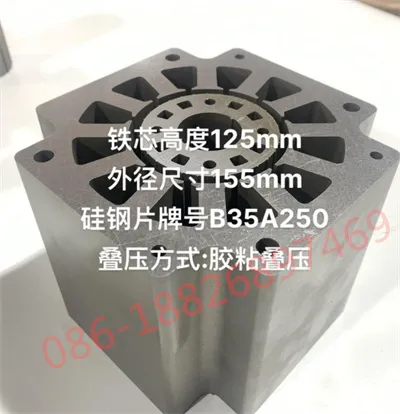
The concept of rotor stator bonding means using a roll coat process that applies an insulating adhesive bonding agent to the motor lamination sheets after punching or laser cutting. The laminations are then put into a stacking fixture under pressure and heated a second time to complete the cure cycle. Bonding eliminates the need for a rivet joints or welding of the magnetic cores, which in turn reduces interlaminar loss. The bonded cores show optimal thermal conductivity, no hum noise, and do not breathe at temperature changes.
Absolutely. The glue bonding technology we use is designed to withstand high temperatures. The adhesives we use are heat resistant and maintain bond integrity even in extreme temperature conditions, which makes them ideal for high-performance motor applications.
Glue dot bonding involves applying small dots of glue to the laminates, which are then bonded together under pressure and heat. This method provides a precise and uniform bond, ensuring optimal motor performance.
Self-bonding refers to the integration of the bonding material into the laminate itself, allowing the bonding to occur naturally during the manufacturing process without the need for additional adhesives. This allows for a seamless and long-lasting bond.
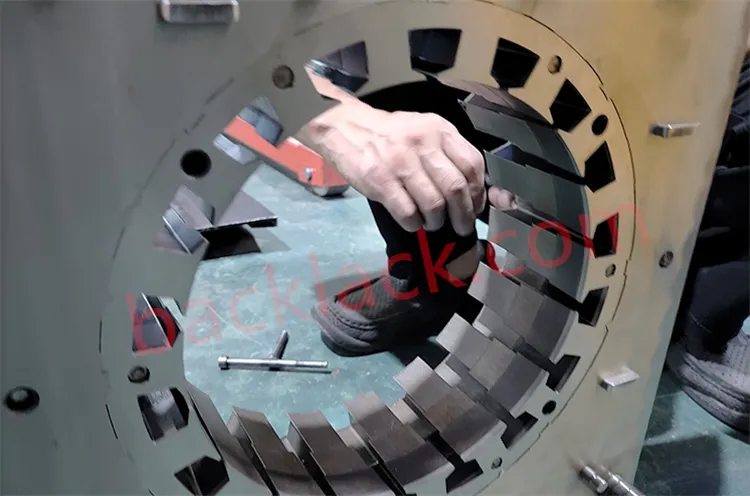
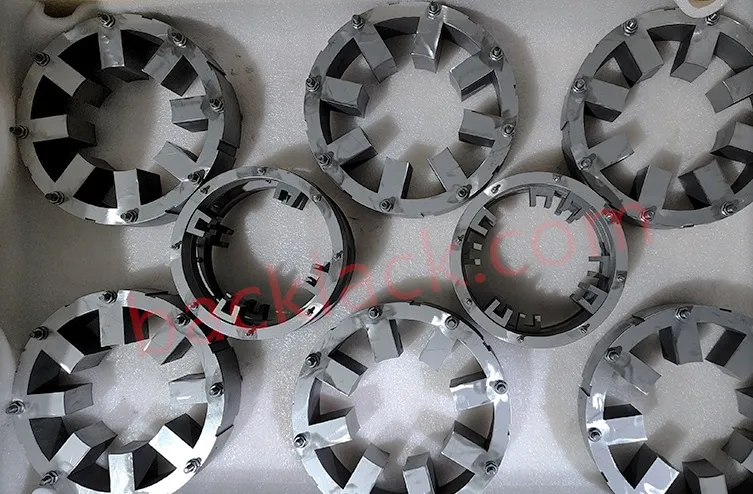
Yes, bonded laminations can be used for segmented stators, with precise bonding between the segments to create a unified stator assembly. We have mature experience in this area. Welcome to contact our customer servic.
Looking for a reliable stator and rotor lamination Self-adhesive Cores stack Manufacturer from China? Look no further! Contact us today for cutting-edge solutions and quality stator laminations that meet your specifications.
Contact our technical team now to obtain the self-adhesive silicon steel lamination proofing solution and start your journey of high-efficiency motor innovation!
Get Started NowRecommended For You