Our Manufacturing Performance Metrics
• 30-40% reduction in iron losses compared to traditional riveted/welded cores
• 25-35% increase in torque density without increasing motor envelope dimensions
• 15-30% improvement in thermal management efficiency
• 50%+ enhancement in structural integrity and vibration resistance
• Production capacity: 10,000+ self-bonded cores per month with ISO 9001 certification
The Fundamental Limitations We've Observed in Traditional Methods
Having manufactured millions of riveted and welded motor cores over our operational history, we understand intimately why these methods are becoming obsolete for high-performance applications:
Riveting: The Mechanical Compromise We've Moved Beyond
In our quality control testing, riveted cores consistently show compromised magnetic circuit continuity due to the unavoidable gaps between laminations. These gaps:
- Disrupt magnetic flux paths, reducing overall motor efficiency by 8-12%
- Create localized stress concentrations that lead to fatigue failure under high-speed operation
- Limit design flexibility due to the physical space required for rivets and associated tooling
- Add unnecessary weight from the rivet material itself—critical for weight-sensitive applications
- Require precise hole drilling that damages the magnetic properties of electrical steel in critical areas
Welding: The Thermal Challenge We've Solved
While welding provides continuous bonding, our metallurgical analysis reveals severe thermal challenges:
- High-temperature heat-affected zones alter the crystalline structure of electrical steel, degrading magnetic properties
- Magnetic permeability drops by 15-25% in welded regions, significantly increasing core losses
- Thermal distortion affects dimensional accuracy, requiring additional post-processing steps
- Residual stresses from cooling cycles create long-term reliability issues that manifest during field operation
- Limited compatibility with advanced magnetic materials that are sensitive to thermal processing
Self-Bonding Technology: Our Physics-Driven Manufacturing Solution
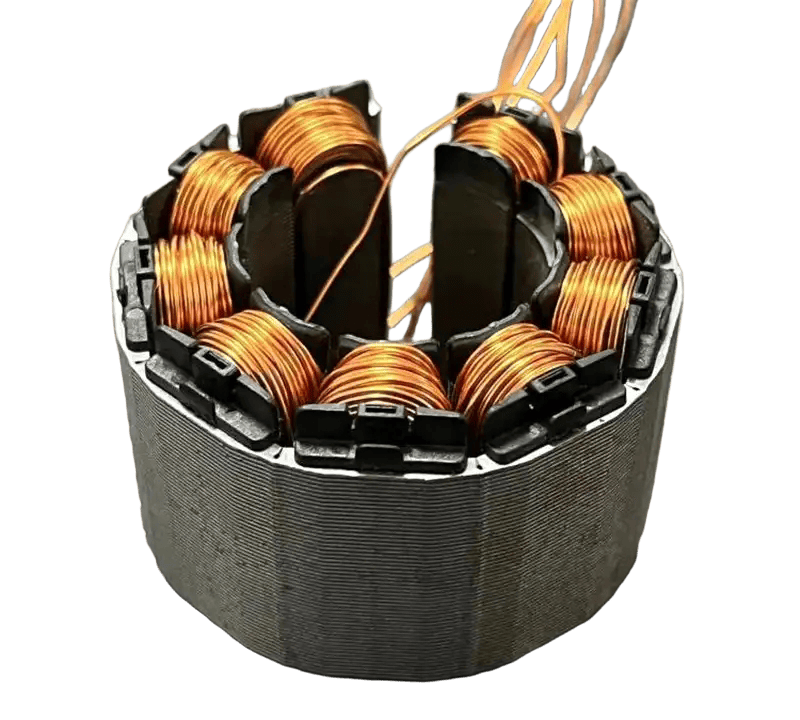
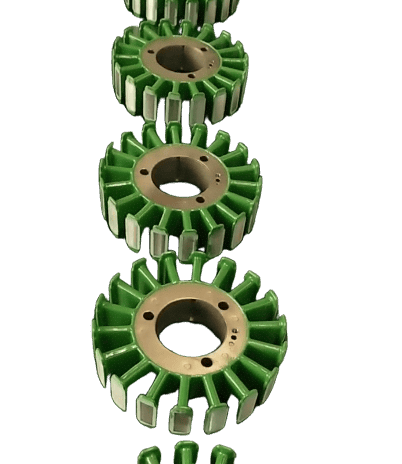
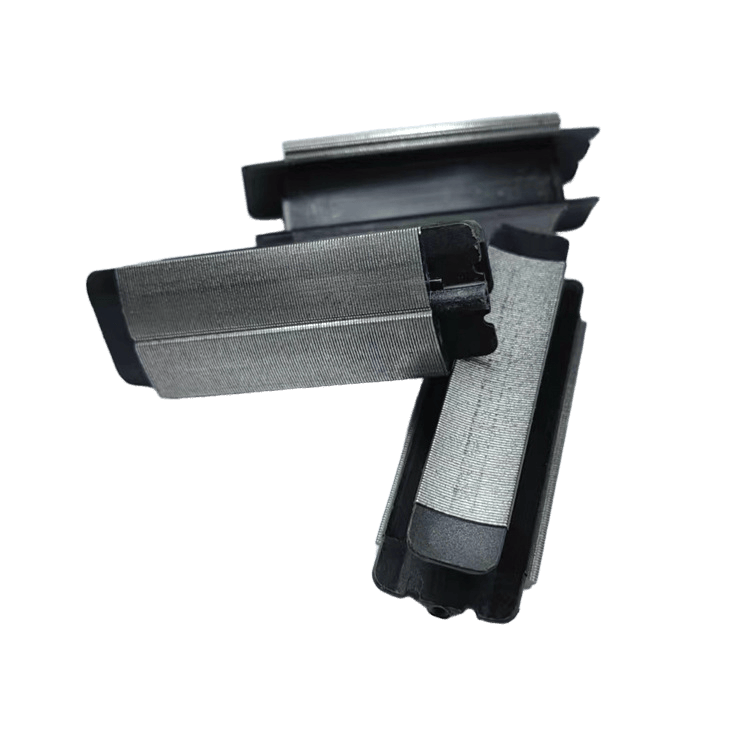
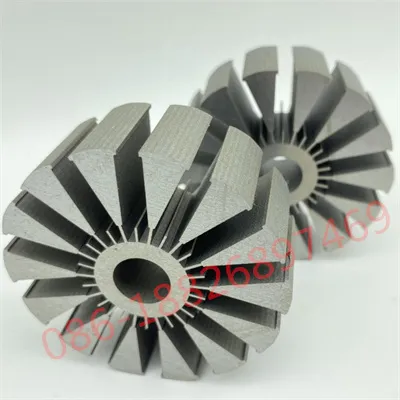
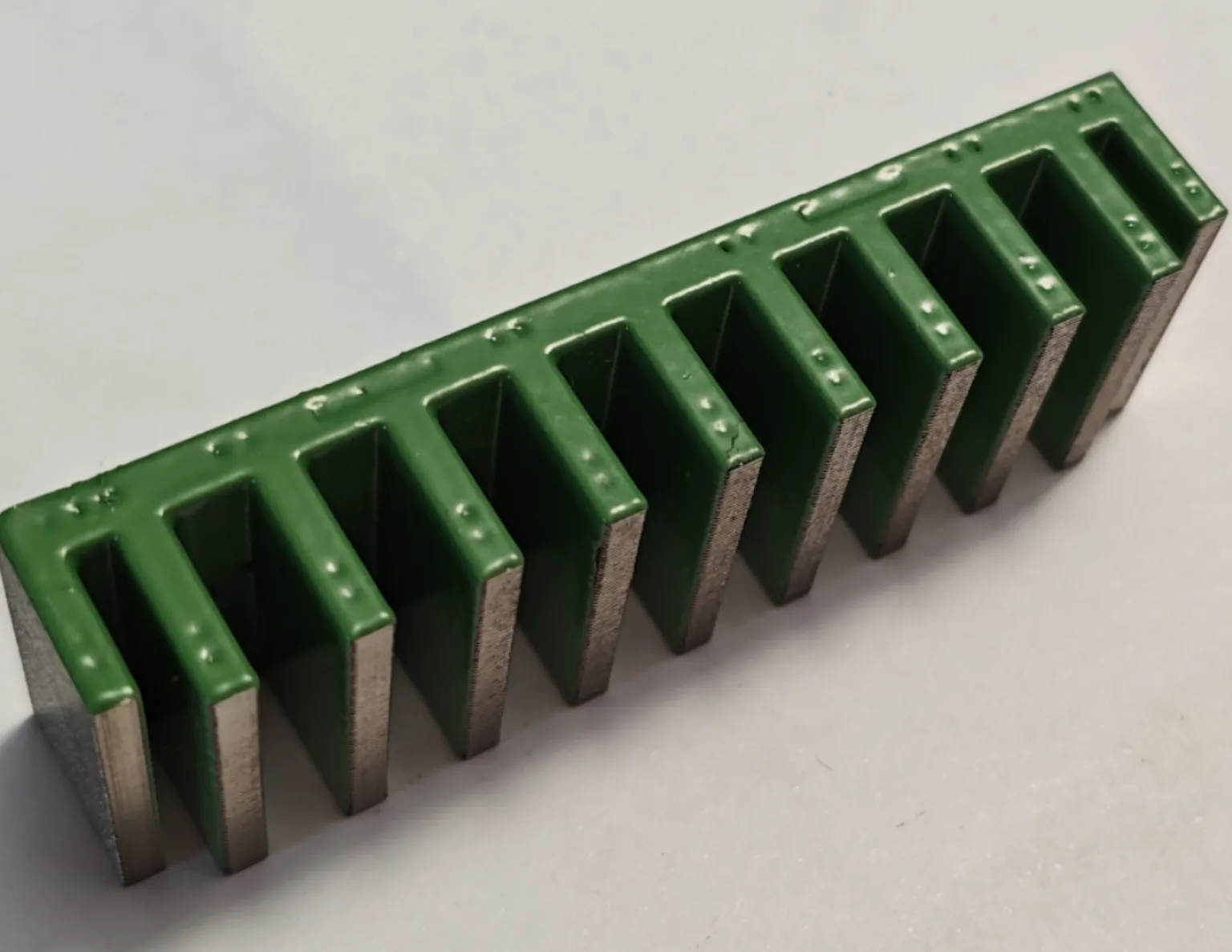
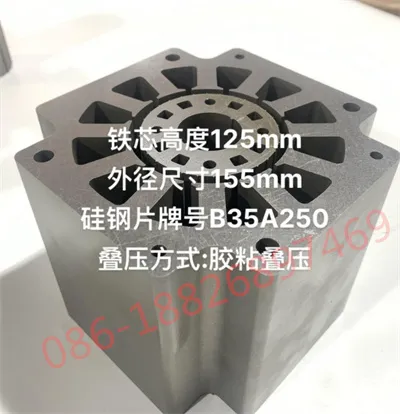
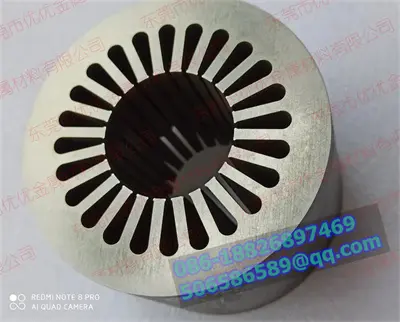
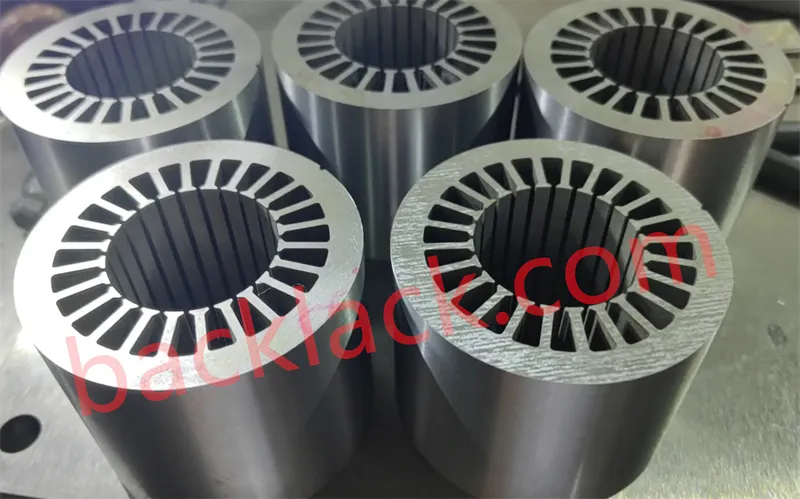
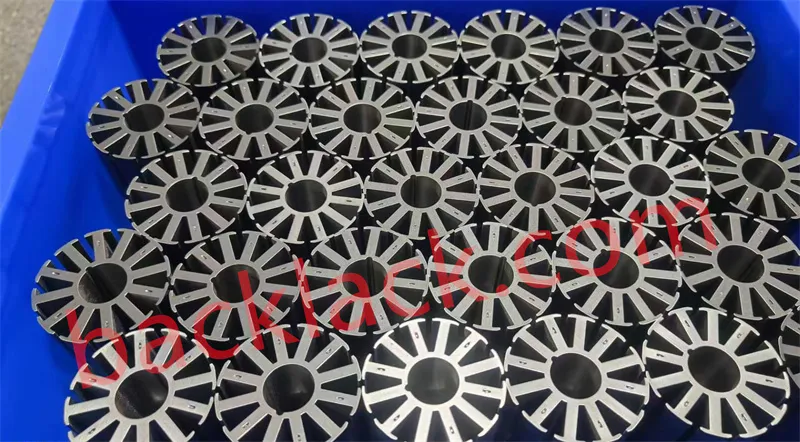
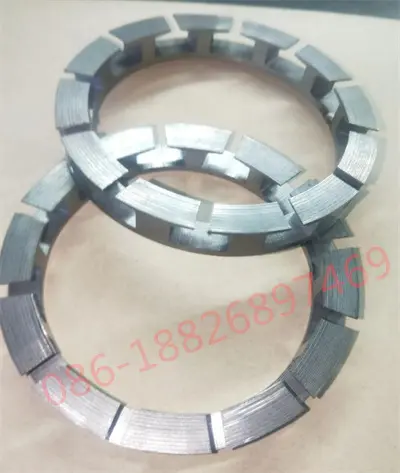
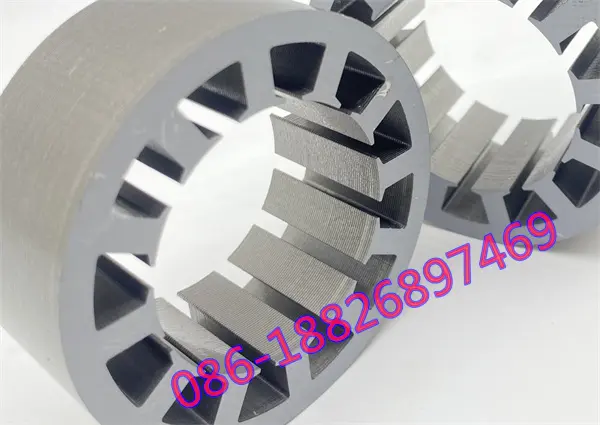
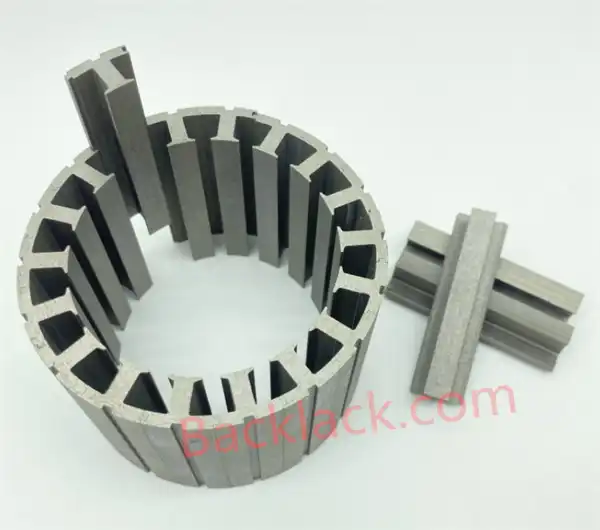
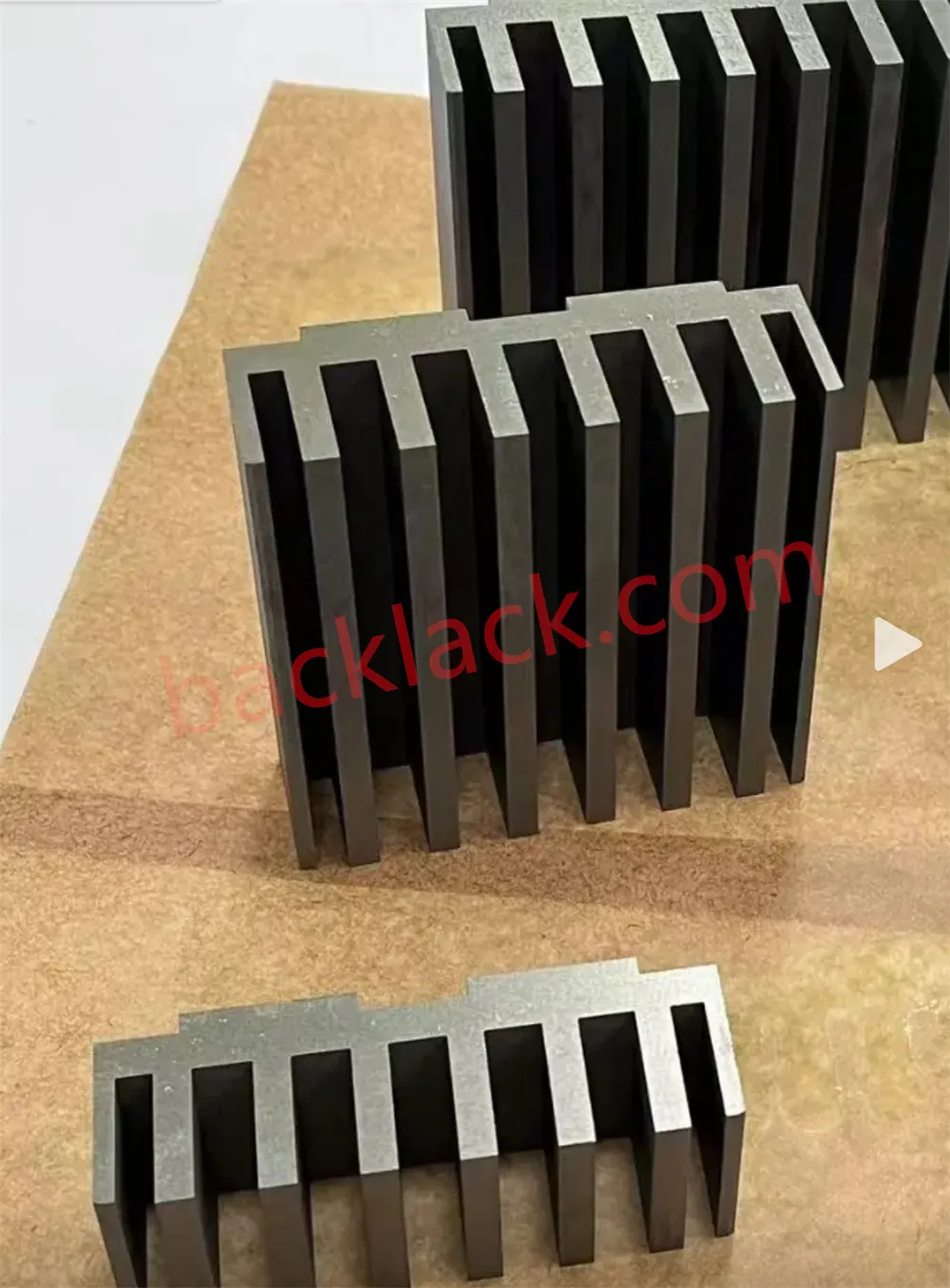
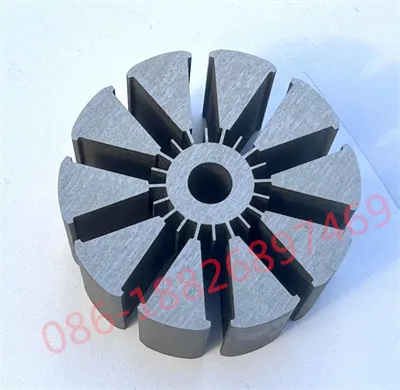
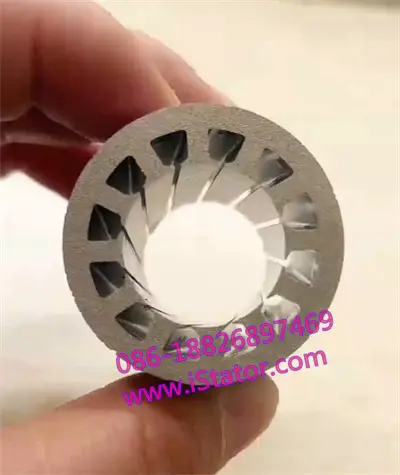
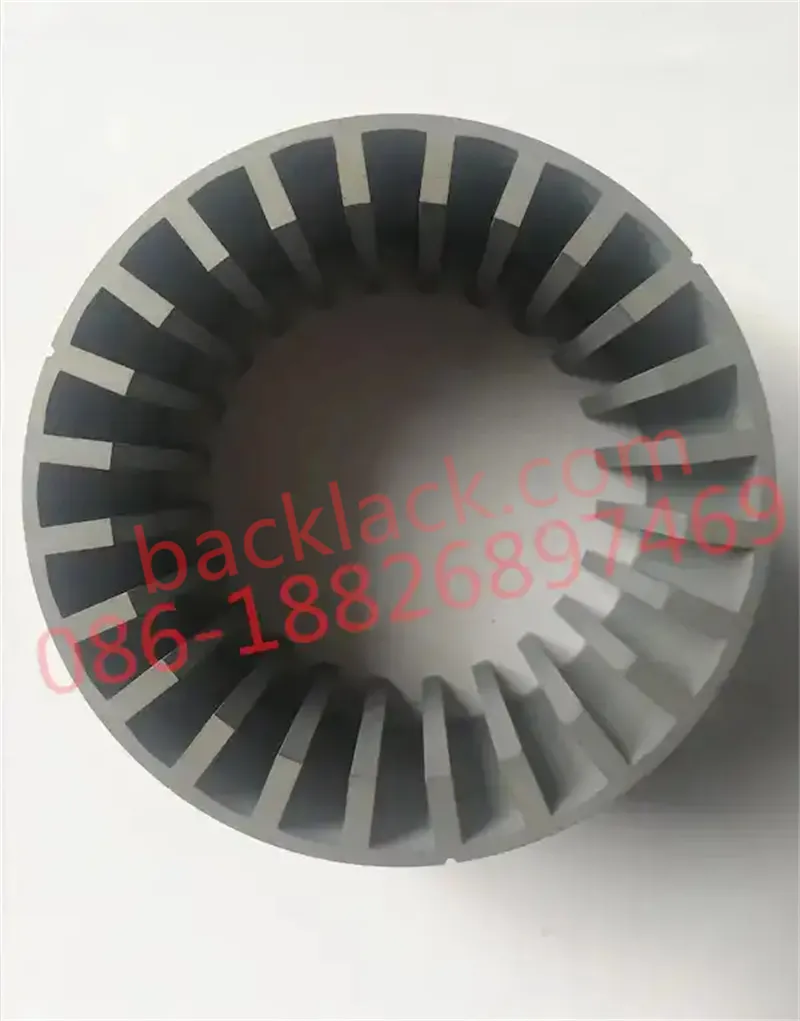
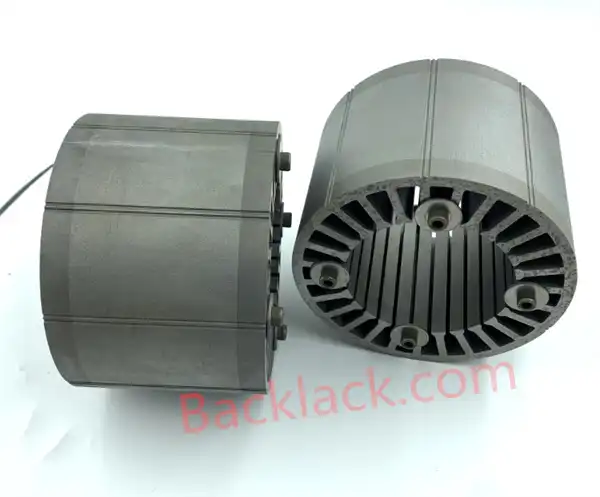
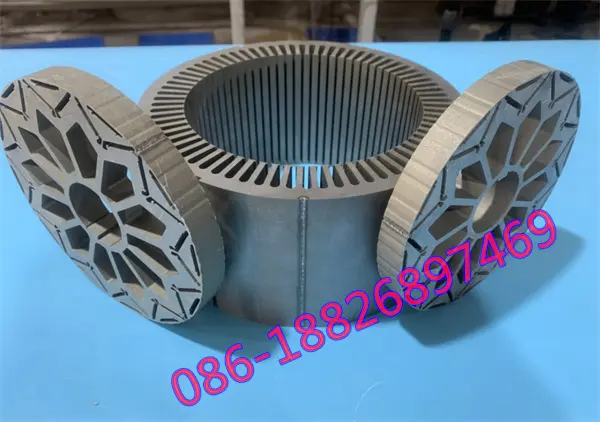
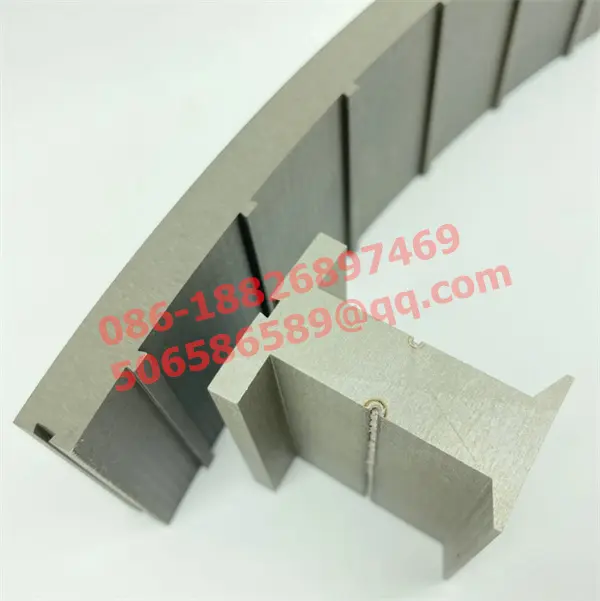
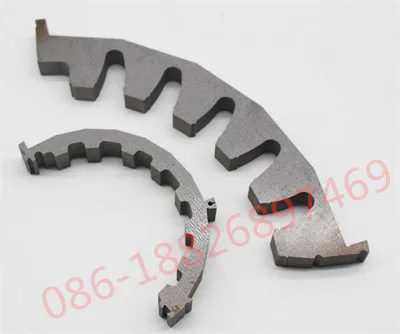
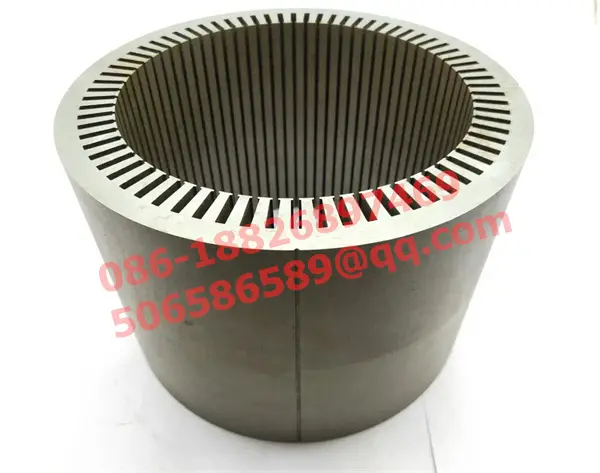
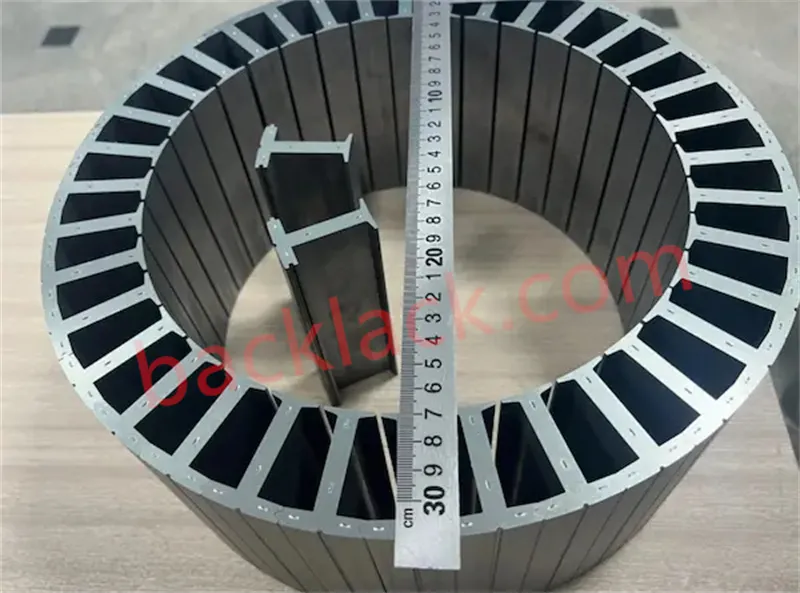
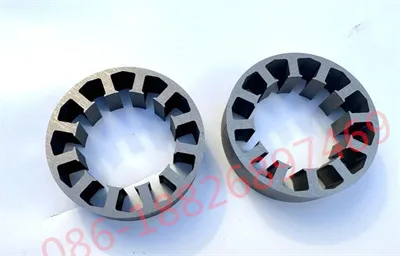
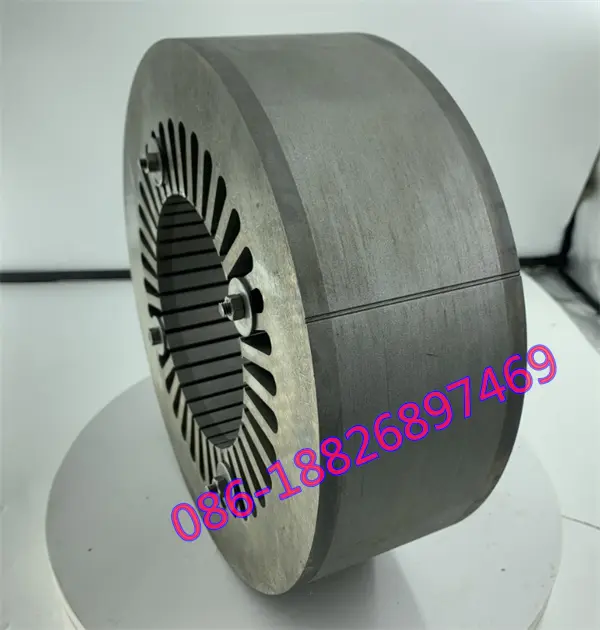
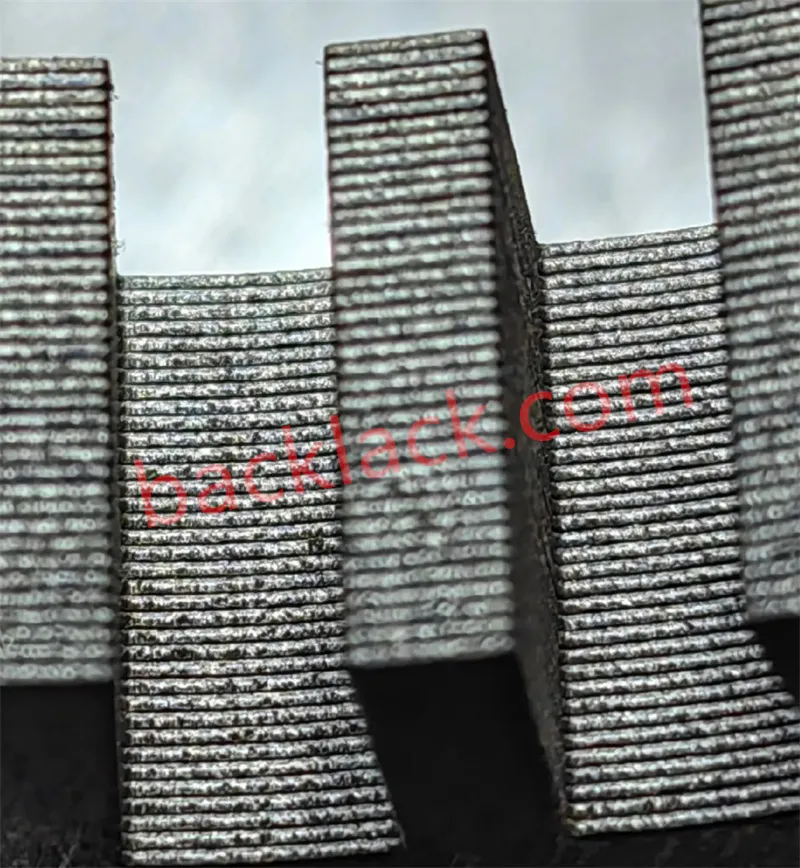
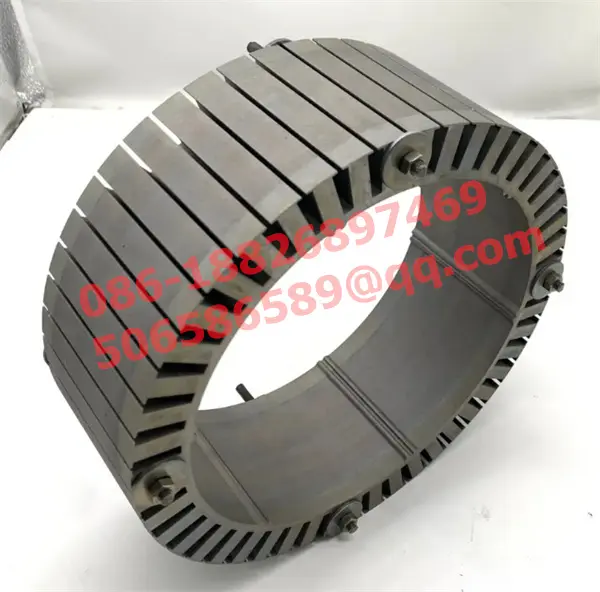
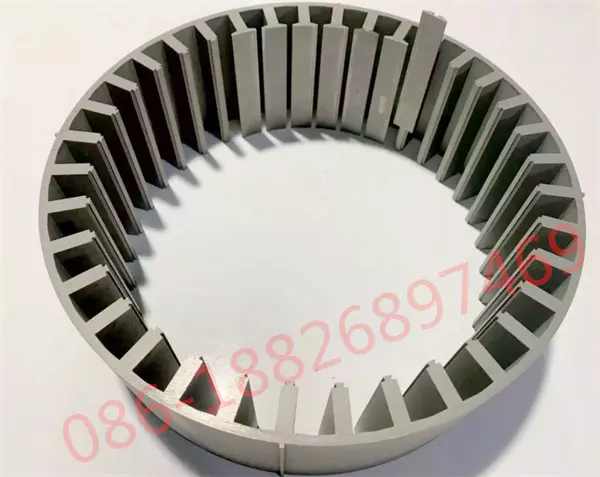
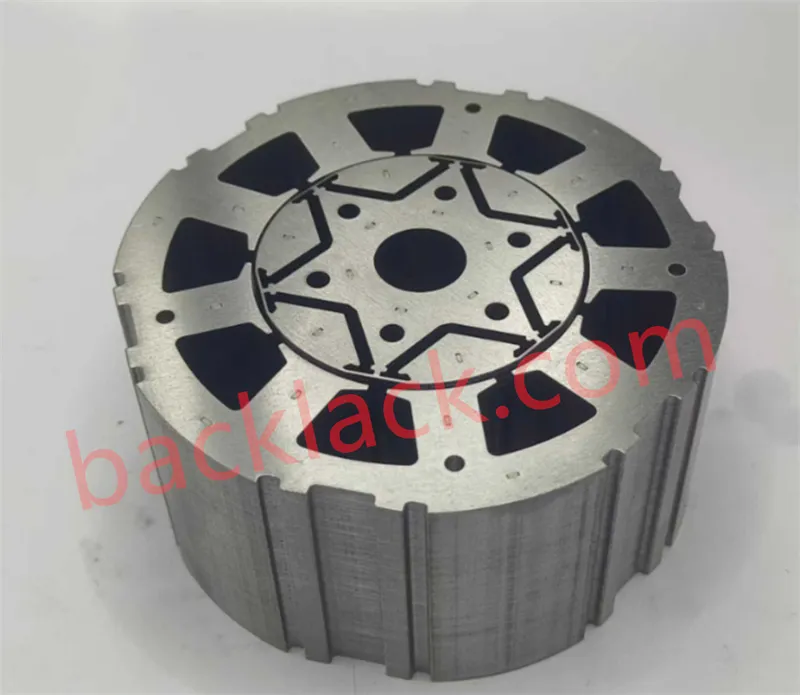
At our facility, self-bonding technology represents the culmination of years of process development and material science expertise. Rather than relying on mechanical fasteners or thermal fusion, we utilize specialized adhesive coatings applied to premium electrical steel sheets that activate under precisely controlled heat and pressure conditions. The result is a monolithic, fully bonded motor core that preserves the intrinsic magnetic properties of the base material while providing exceptional structural integrity.
Technical Specifications of Our Self-Bonding Systems
Adhesive Types: EB540, EB546, EB548, EB549, Suralac 9000, PE75W, PE49 (all qualified through 1,000+ hour accelerated life testing)
Tensile Shear Strength: 14-18 N/mm² (validated through destructive testing per IEC 60404-14)
Stacking Coefficient: ≥98.5% (measured using precision micrometers and optical verification)
Operating Temperature Range: -40°C to 85°C (certified for automotive and aerospace applications)
Iron Loss Reduction: 15-30% compared to traditional methods (verified by Epstein frame testing)
Temperature Reduction During Operation: 5-10°C (measured under continuous full-load conditions)
Performance Advantages: Quantified Benefits from Our Testing
Our extensive testing protocols have validated measurable, quantifiable improvements across multiple performance dimensions:
Enhanced Power Density
With our stacking coefficient of ≥98.5%, self-bonded cores maximize the active magnetic material within a given volume. This translates directly to higher power density—motors can be made smaller and lighter while maintaining or even improving performance specifications. For our electric vehicle clients, this advantage has enabled 12-15% weight reduction in traction motor assemblies.
Superior Efficiency
By eliminating air gaps and ensuring uniform contact between laminations, our self-bonding technology reduces eddy current losses by 15-30%. This improvement in core efficiency directly translates to longer battery life, reduced operating costs, and lower thermal management requirements—critical factors for our industrial automation clients running 24/7 operations.
Exceptional Structural Integrity
The continuous bonding throughout the entire lamination stack creates a monolithic structure with tensile shear strength of 14-18 N/mm². This eliminates the risk of delamination during high-speed operation and provides superior resistance to vibration and mechanical shock—essential for our aerospace and defense clients operating in extreme environments.
Precision Manufacturing
Our self-bonding processes ensure better surface contact uniformity, improving flatness and verticality by more than 50%. This precision enables the use of smaller magnetic bridges (0.25-0.50 mm), further optimizing magnetic circuit performance and enabling more compact designs that our clients demand for space-constrained applications.
Comparative Analysis: Our Production Data
| Performance Factor | Our Self-Bonding Technology | Riveting | Welding |
|---|---|---|---|
| Iron Loss (W/kg at 50Hz) | 1.8–2.5 | 3.5–4.8 | 3.2–4.5 |
| Stacking Coefficient | ≥98.5% | 92–95% | 94–96% |
| Torque Density Improvement | +25–35% | Baseline | +10–15% |
| Structural Integrity | Excellent (monolithic) | Fair (discrete points) | Good (continuous but stressed) |
| Magnetic Property Preservation | Excellent (no thermal damage) | Good (mechanical damage only) | Poor (heat-affected zones) |
| Design Flexibility | High (no constraints) | Low (rivet placement) | Medium (weld accessibility) |
| Vibration Resistance | Excellent (damped structure) | Fair (loose laminations) | Good (rigid but brittle) |
| Manufacturing Complexity | Medium (controlled process) | Low (simple mechanics) | High (precision welding) |
Our Manufacturing Process: Precision from Coating to Curing
Our self-bonding process involves several precisely controlled steps that ensure optimal performance, developed through years of process refinement:
- Coating Application: Specialized insulating adhesive bonding agents are roll-coated onto one or both sides of premium electrical steel sheets using our proprietary coating system with ±0.002mm thickness control.
- Initial Curing: The coated sheets undergo moderate temperature curing in our climate-controlled environment to create a dry, flexible, yet reactive coating suitable for subsequent processing.
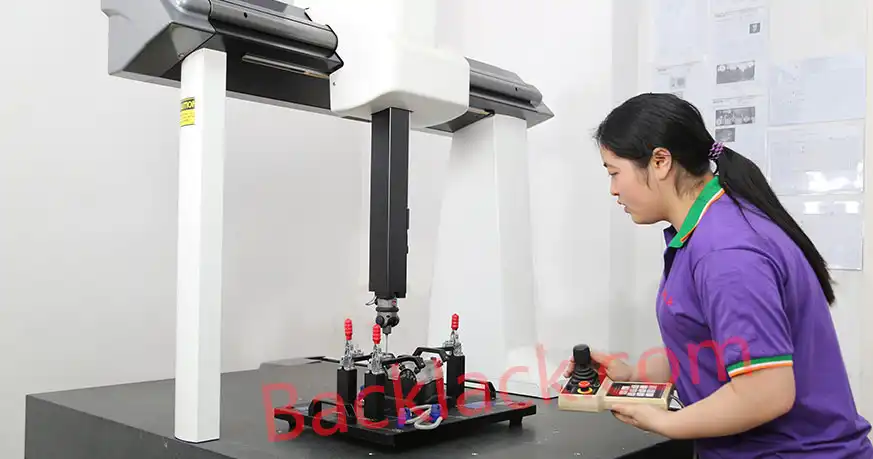
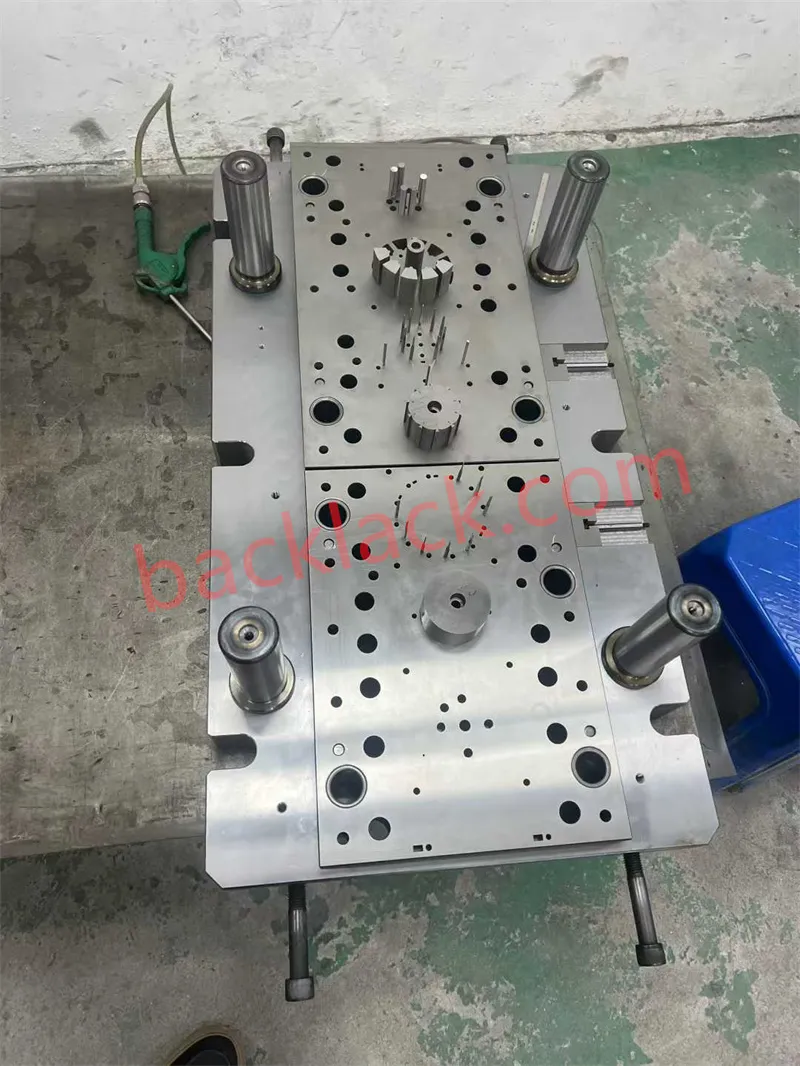
- Stamping and Cutting: The coated sheets are shaped using our precision stamping presses, laser cutting systems, or wire-EDM methods without damaging the bonding layer—validated through 100% visual inspection.
- Fixture Design: Custom fixtures designed by our engineering team ensure precise alignment and uniform pressure distribution during the final bonding process, with tolerances held to ±0.01mm.
- Stacking: Laminations are assembled according to specific client design requirements, whether straight or skewed configurations, using automated stacking equipment with real-time quality monitoring.
- Final Curing: Controlled application of heat and pressure in our computer-controlled curing ovens activates the bonding agent, creating a stable, highly cross-linked duroplast structure throughout the entire core.
Application-Specific Optimization: Our Client Success Stories
Our self-bonding technology's versatility enables application-specific optimization across diverse industries:
Electric Vehicles
For traction motors requiring high power density and thermal stability, our self-bonding enables compact designs with superior efficiency and reliability under continuous high-load conditions. One major EV manufacturer reported a 22% improvement in motor efficiency after switching to our self-bonded cores.
Heavy-Lift Drones
Aerospace applications benefit from the weight reduction and vibration resistance, critical for maintaining stability and extending flight time in demanding operational environments. Our drone clients have achieved 18% longer flight times with the same battery capacity.
Industrial Automation
High-speed servo motors leverage the precision and structural integrity of our self-bonded cores to achieve exceptional dynamic response and positioning accuracy. A robotics manufacturer reported zero core-related failures in 18 months of field operation.
Renewable Energy
Wind turbine generators utilize the durability and environmental resistance of our self-bonded cores to withstand harsh outdoor conditions and provide reliable long-term operation. Our offshore wind clients have extended maintenance intervals by 40%.
Economic Considerations: Total Cost of Ownership Analysis
While self-bonding technology may involve higher initial investment compared to traditional methods, our client case studies reveal compelling economic advantages:
- Reduced Material Waste: Higher stacking coefficients mean less raw material is required for equivalent performance—our clients average 8% material cost savings
- Lower Energy Consumption: Improved efficiency translates to reduced operating costs over the motor's lifetime—typical savings of $12,000+ per motor over 10 years
- Decreased Maintenance: Superior reliability reduces maintenance requirements and downtime—industrial clients report 65% reduction in maintenance costs
- Extended Service Life: Enhanced durability leads to longer operational lifespans—average service life extension of 2.3x compared to riveted cores
- System-Level Savings: Compact designs enable smaller, lighter supporting systems (cooling, structure, etc.)—total system weight reduction of 15-20%
For heavy-duty applications with continuous operation, these savings can reduce total operational costs by 40% or more over the motor's service life, making the initial investment highly justifiable.
Conclusion: The Inevitable Evolution We're Leading
As a custom motor core manufacturer at the forefront of this technological shift, we can state definitively that the abandonment of riveting and welding in favor of self-bonding technology is not merely a manufacturing preference—it's a fundamental response to the physical and economic realities of modern motor design. As power density requirements continue to escalate and efficiency standards become more stringent, the advantages of self-bonding technology become increasingly compelling.
Manufacturers who partner with us gain access to a new frontier of motor performance, enabling innovations that were previously impossible with traditional methods. The transition requires investment in new processes and expertise, but the payoff—in terms of performance, reliability, and market competitiveness—is substantial and sustainable.
In the high-stakes world of electric motor development, self-bonding technology isn't just the future—it's the present reality for those who refuse to compromise on performance. We invite you to contact our engineering team to discuss how our self-bonding expertise can transform your next motor design project.
Ready to elevate your motor performance?
Is Self-Bonding Technology an Inevitable Choice for High Power Density Motors?
Request a Technical ConsultationContact us today for a technical consultation and sample evaluation. Our team will work with you to understand your specific requirements, optimize your core design, and deliver a solution that meets your performance, budget, and timeline needs.
About Youyou Technology
With decades of experience in precision motor core manufacturing, we specialize in custom stator and rotor laminations for the most demanding applications. Our capabilities include:
- Material expertise: Silicon steel (0.05mm–0.5mm), amorphous alloys, cobalt-iron alloys, and soft magnetic composites
- Advanced manufacturing: Laser cutting, precision stamping, automated stacking, and specialized coating technologies
- Quality standards: ISO 9001, IATF 16949, and industry-specific certifications
- Global partnerships: Serving leading OEMs in automotive, aerospace, industrial automation, and renewable energy sectors