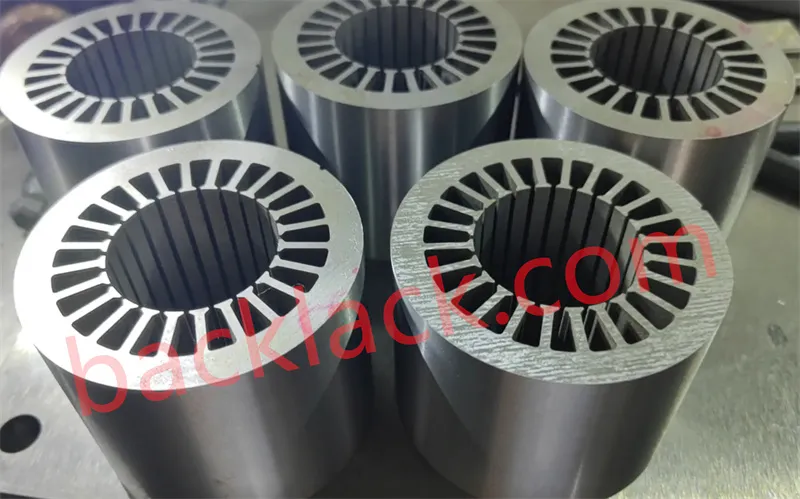
AC Induction Motors vs. Permanent Magnet Synchronous Motors: Fundamental Design Differences
Before diving into stator laminations, it's critical to understand the fundamental differences between motor types and their core requirements. This is where many manufacturers make costly mistakes by applying generic solutions to specialized applications.
| Performance Metric | AC Induction Motors (ACIM) | Permanent Magnet Synchronous Motors (PMSM) | Impact on Stator Lamination Design |
|---|---|---|---|
| Operating Frequency | 50-60Hz (line frequency) | 400Hz-20kHz (variable frequency) | PMSM requires thinner laminations (0.1-0.2mm) to minimize high-frequency eddy current losses |
| Magnetic Flux Density | 1.5-1.7T | 1.8-2.0T | PMSM requires higher-grade silicon steel to handle increased magnetic density |
| Temperature Range | -20°C to 155°C | -40°C to 180°C | PMSM applications demand better thermal stability materials |
| Efficiency Requirements | IE3/IE4 standards | Exceeding 95% | PMSM requires stricter iron loss control (≤1.5W/kg@50Hz) |
| Cost Sensitivity | Moderate | High (but accepts premium initial cost) | PMSM justifies investment in premium materials for long-term gains |
Custom vs. Standard Stator Laminations: Quantifying the Performance Gap
Many manufacturers still opt for standard stator laminations to save initial costs, but this approach often results in significantly higher long-term operational expenses. Let's quantify this performance gap with concrete data.
| Key Performance Factor | Our Custom Stator Laminations (Industrial-Optimized) | Standard Stator Laminations | Impact on Industrial Motor Systems |
|---|---|---|---|
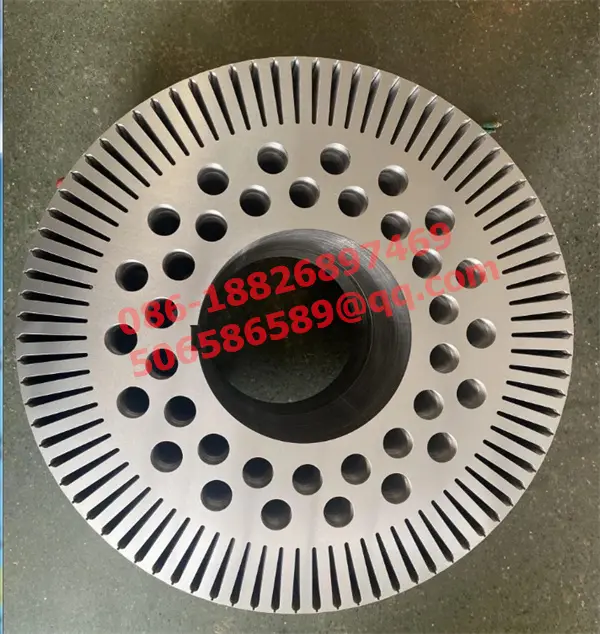
| Material Quality & Lamination | High-grade silicon steel (0.1–0.35mm thin laminations), amorphous alloy options; precision annealing to reduce stress; corrosion-resistant coatings | Low-grade silicon steel (0.5mm+ thick laminations); no annealing; basic coating (if any) | Custom laminations reduce iron loss by 30–45%, improving efficiency and reducing heat buildup; standard laminations waste energy and overheat |
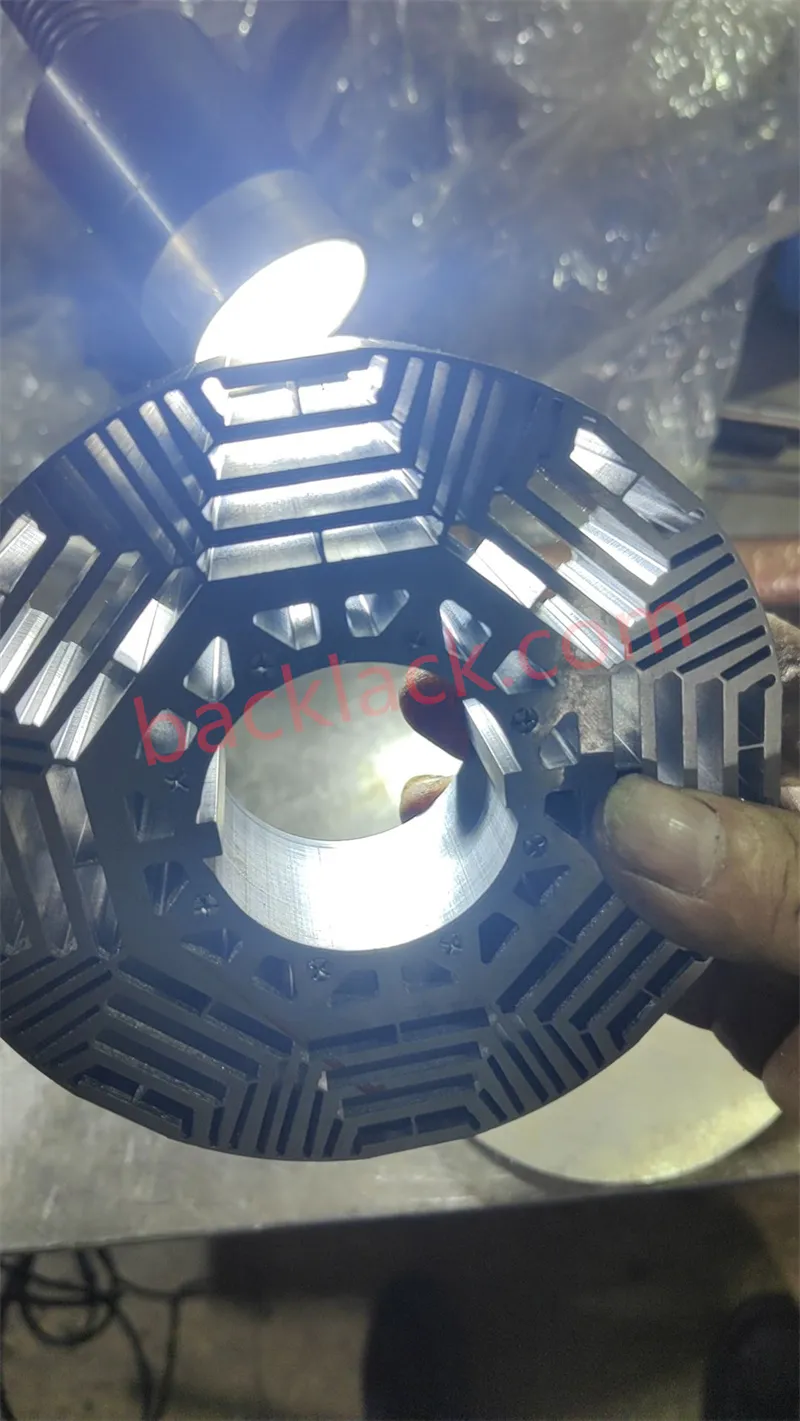
| Torque Optimization | Custom slot shapes (optimized for magnetic flux), tailored stack height, and magnetic circuit design to maximize torque density | Generic slot shapes, one-size-fits-all stack height; no torque optimization | Custom laminations enable 25–35% higher torque output without increasing motor size; standard laminations limit application capabilities |
| Iron Loss (Eddy Current + Hysteresis) | Minimized (≤1.8W/kg at 50Hz for standard applications; ≤1.2W/kg for high-frequency); optimized lamination stacking | High (≥4.5W/kg at 50Hz); poor lamination stacking | Custom laminations extend operational life by 20–30%; standard laminations require larger cooling systems and increase energy costs |
| Durability & Environmental Resistance | Withstands -40°C to 180°C, high vibration, dust, and moisture; structural design optimized for industrial stress | Limited temperature range (-20°C to 120°C); poor vibration resistance; minimal corrosion protection | Custom laminations last 2–3x longer; standard laminations fail prematurely in harsh industrial environments |
| Size Compatibility | Tailored to specific motor frame sizes and custom OEM designs; seamless integration with rotor/stator assembly | Generic sizes; often require modifications or shimming to fit properly | Custom laminations eliminate fitment issues and reduce assembly time; standard laminations cause delays and performance gaps |
| Cost-Effectiveness (Long-Term) | Higher upfront cost, but lower total cost of ownership (fewer replacements, less maintenance, better performance) | Lower upfront cost, but higher long-term cost (frequent replacements, motor failures, energy waste) | Custom laminations reduce total operational costs by 40%+ for industrial motor fleets |
Our Custom Stator Lamination Solutions for Industrial Motor Manufacturers
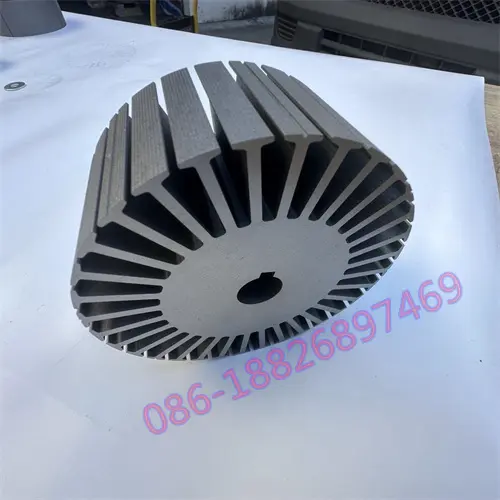
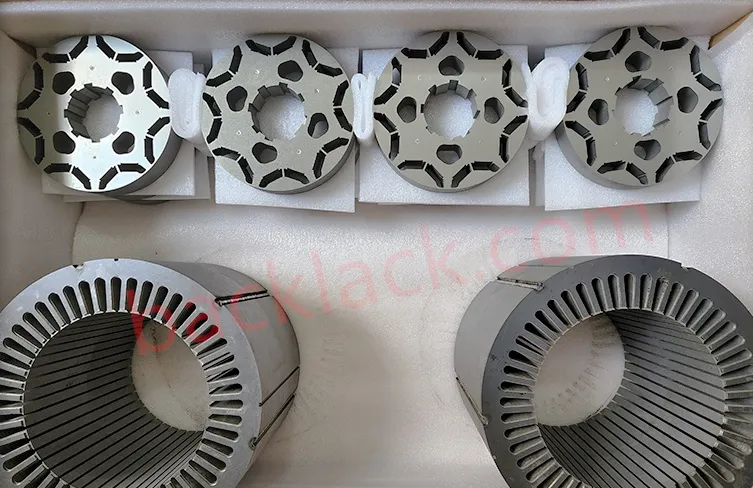
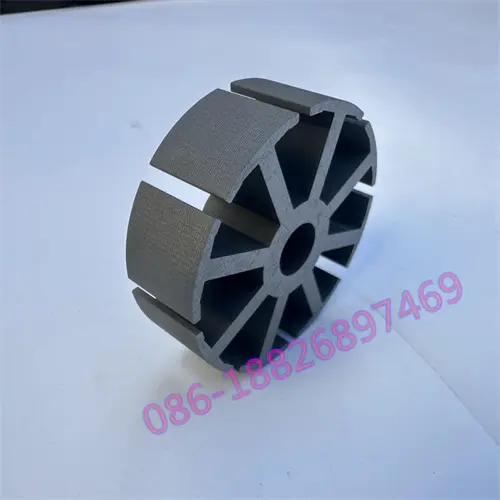
As a dedicated motor core manufacturer, we don't just "make laminations"—we partner with industrial motor OEMs to design solutions that solve their most pressing challenges. Based on the latest industry trends and our experience with global motor brands, our core offerings include:
-
Material Customization
Choose from high-grade silicon steel, amorphous alloy, or customized magnetic materials based on your motor's power, torque, frequency, and environmental requirements. We source materials meeting ISO 9001 and IATF 16949 standards, ensuring consistent performance across every batch.
-
Precision Design & Prototyping
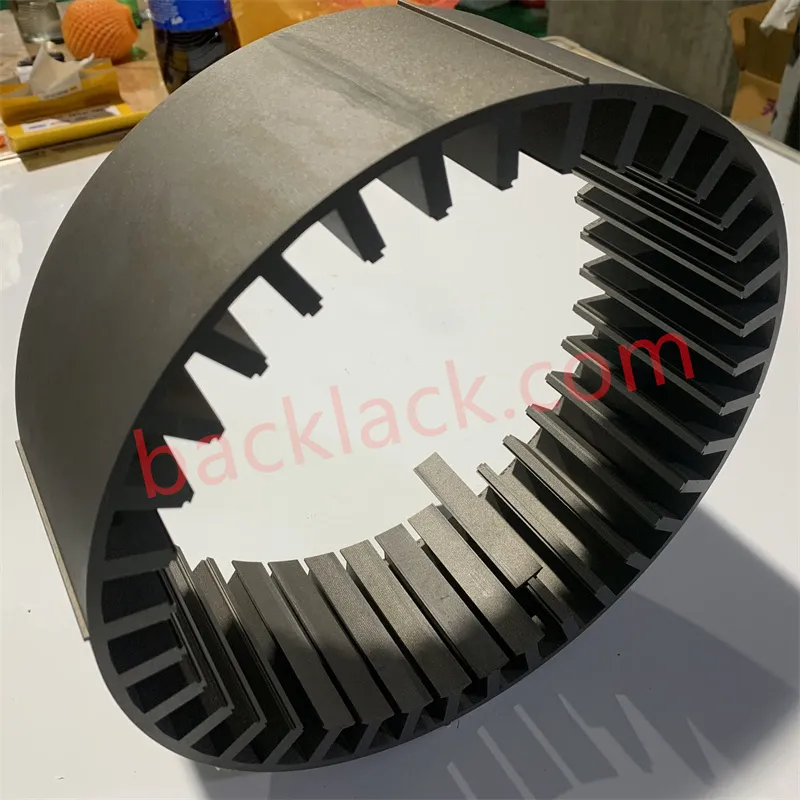
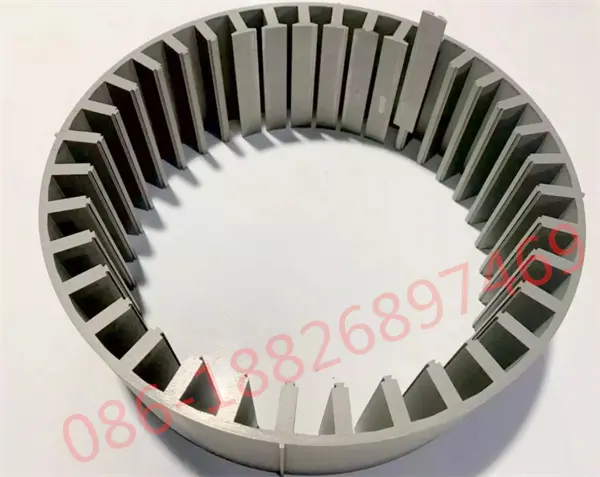
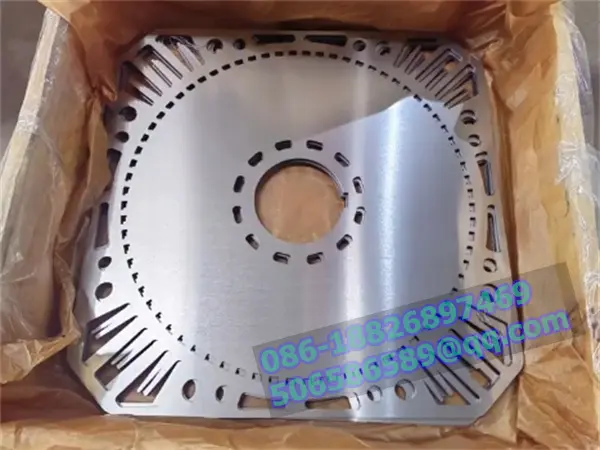
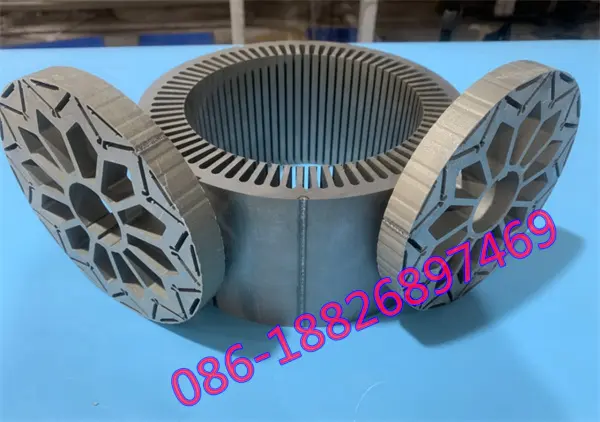
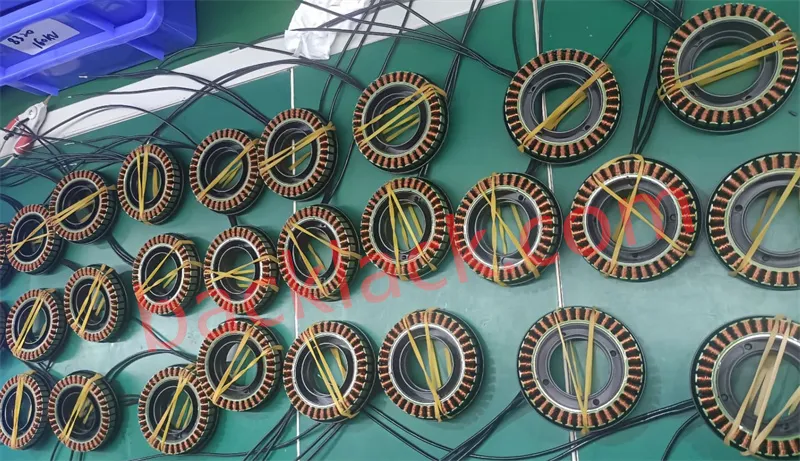
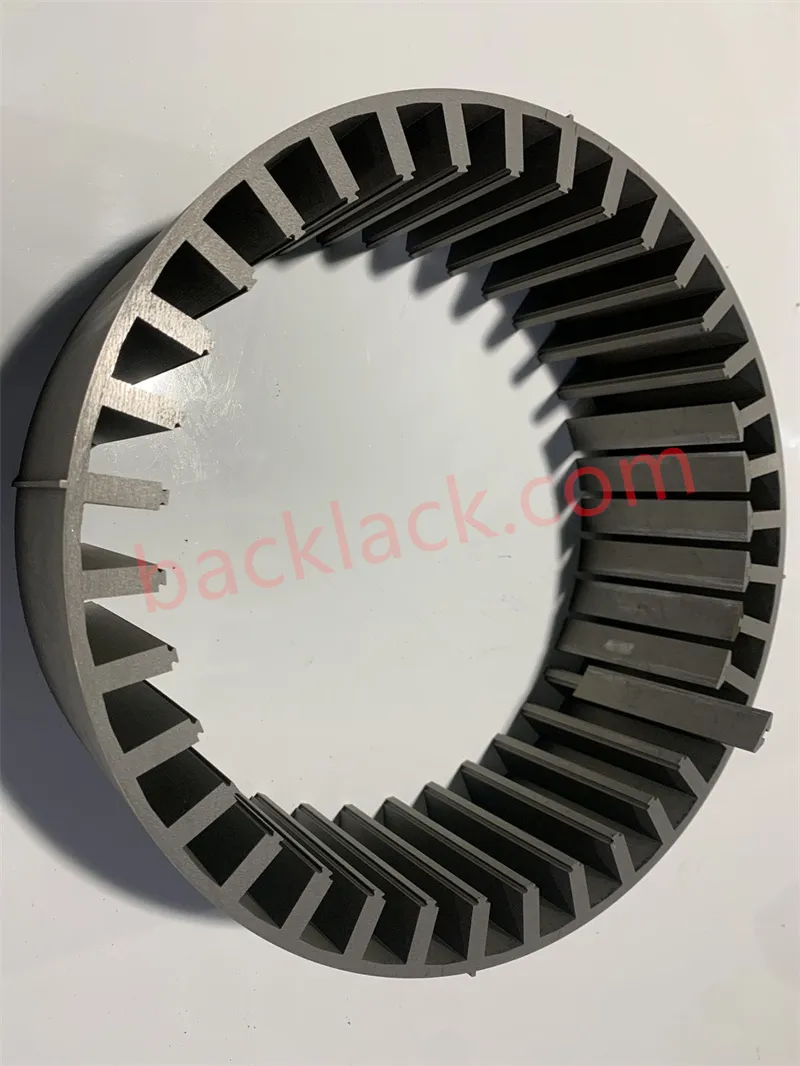
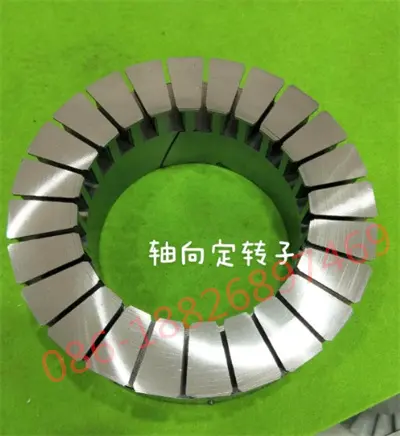
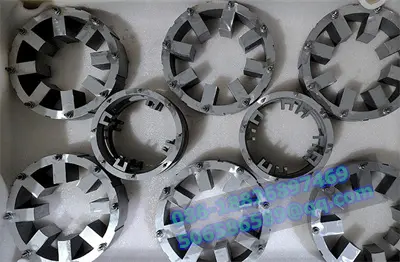
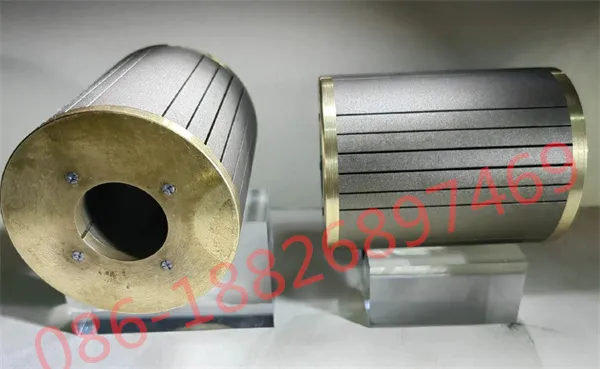
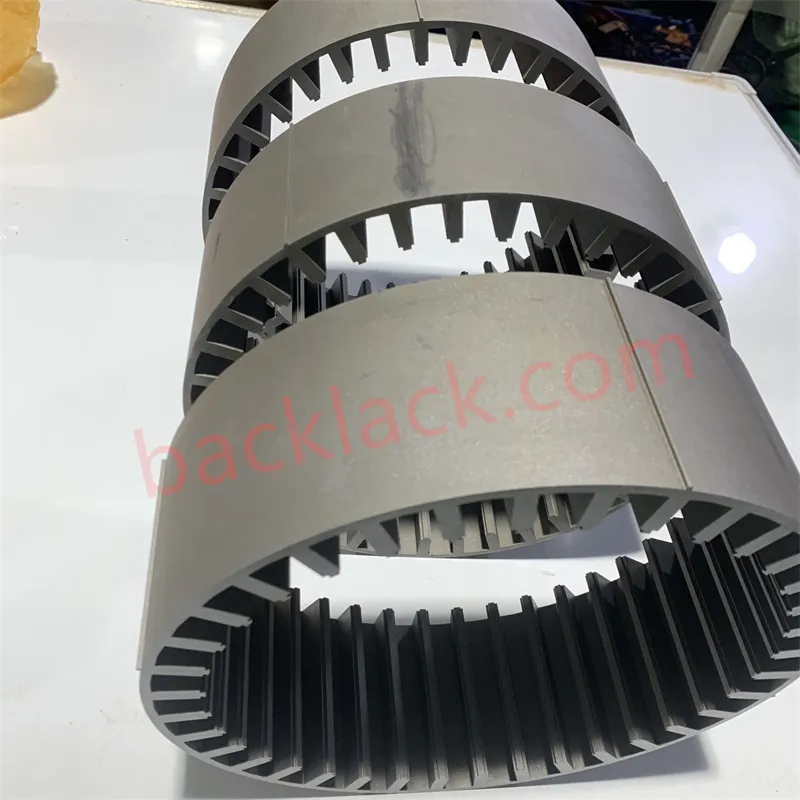
Our engineering team works with your specifications to optimize slot design, lamination thickness, and stack height—then creates rapid prototypes (7–10 days) to test performance before full-scale production. We specialize in laminations for both inner-rotor (high-speed industrial motors) and outer-rotor (high-torque applications) motor configurations.
-
Industrial-Grade Manufacturing
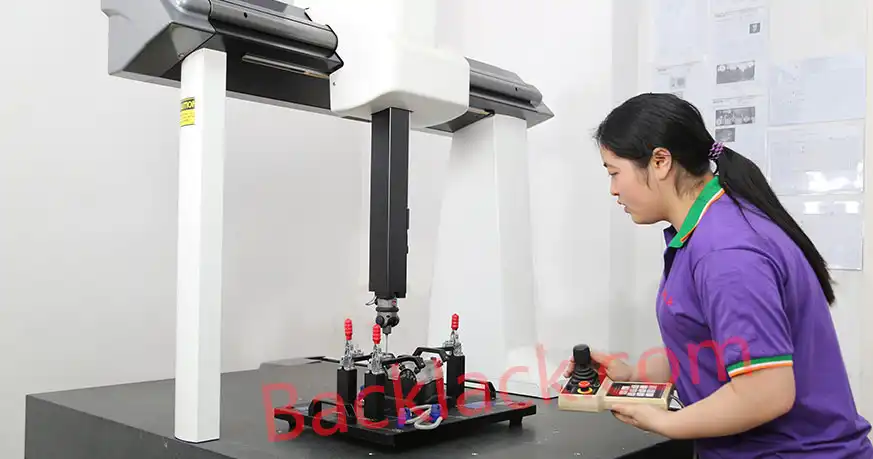
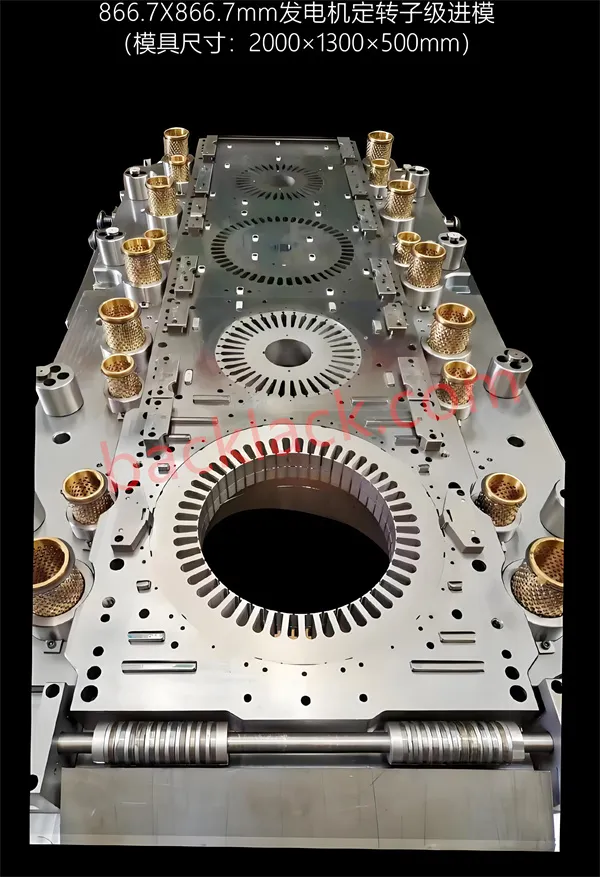
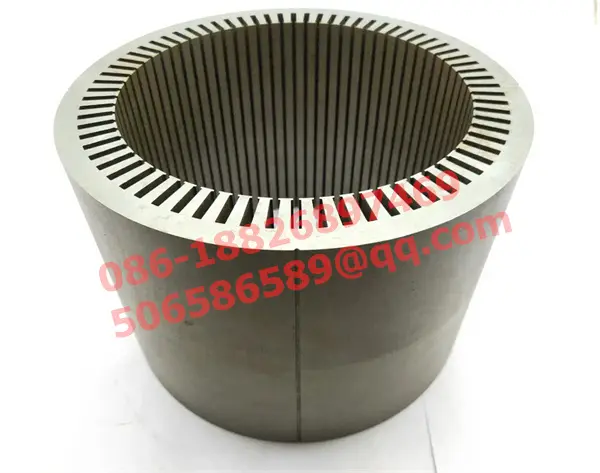
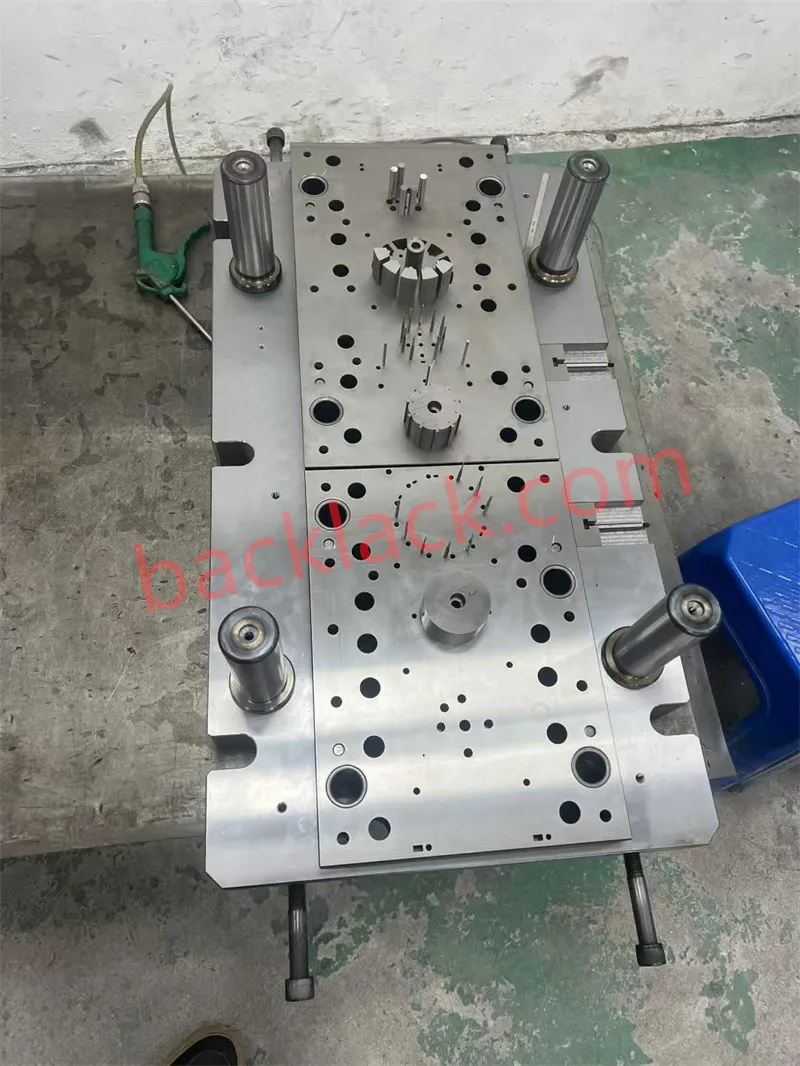
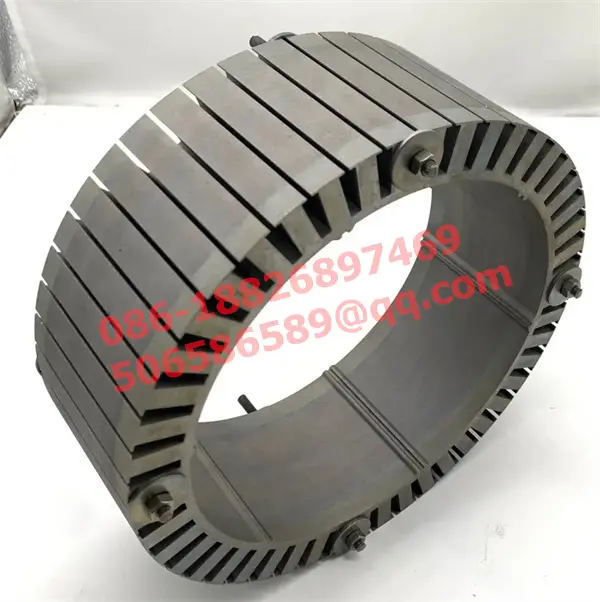
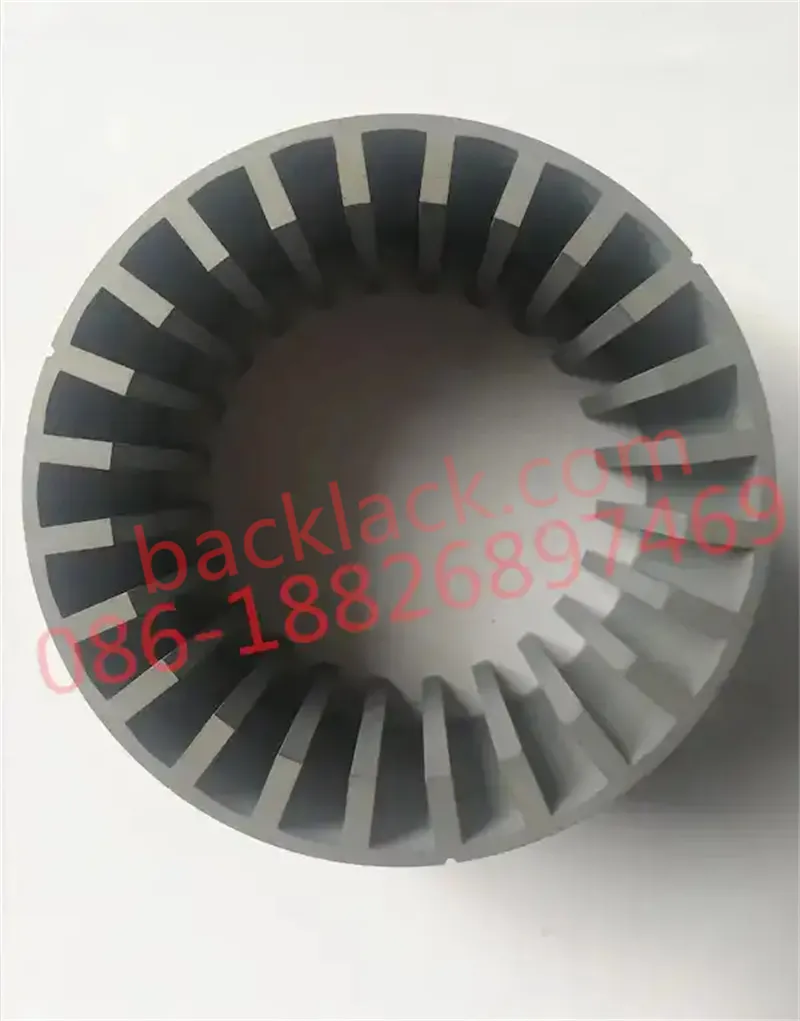
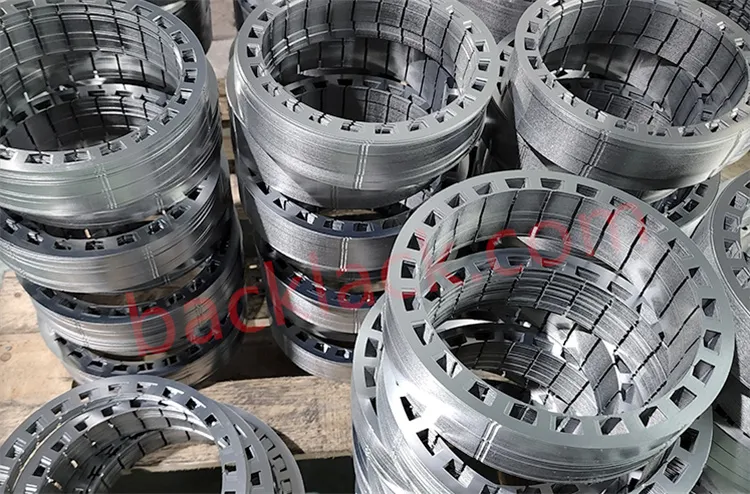
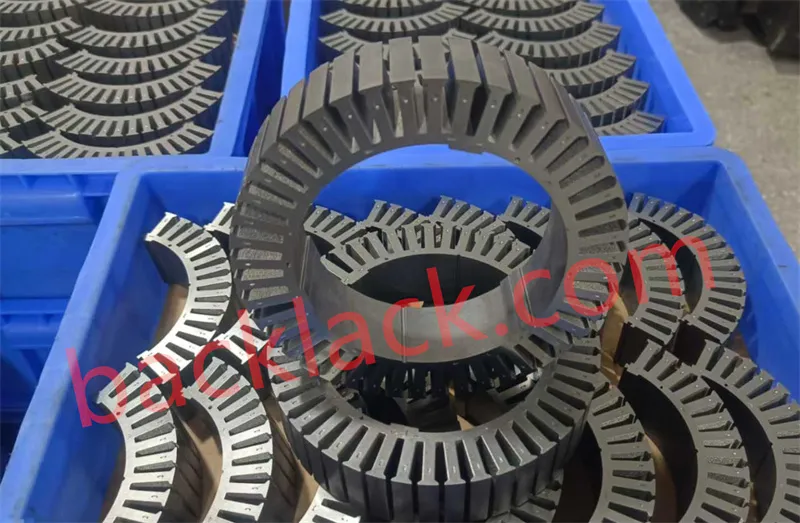
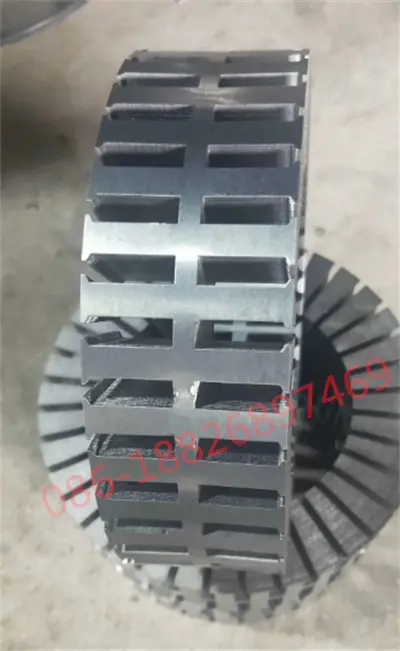
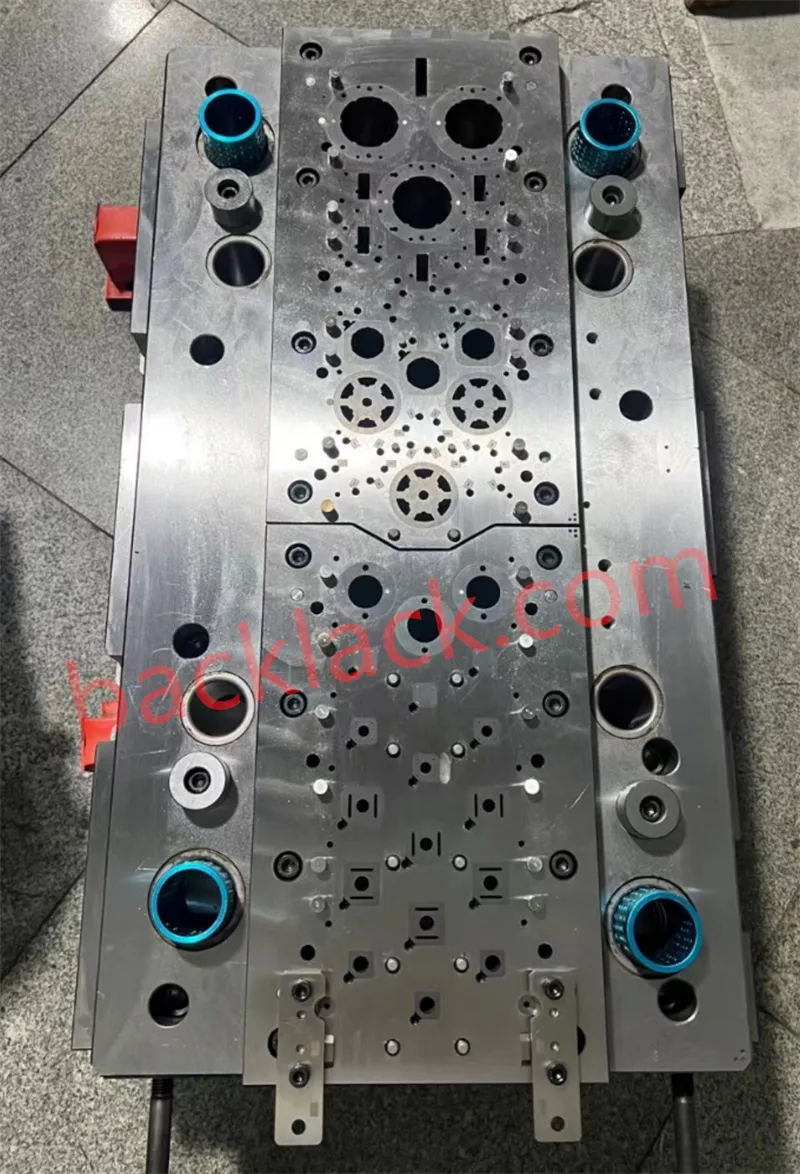
We use advanced stamping (high-precision dies for slot accuracy), automated stacking, and strict quality control (magnetic performance testing, iron loss testing, dimensional checks) to ensure every lamination meets your exact standards. Our production capacity supports both small-batch prototypes and large-scale OEM orders (50,000+ units/month).
-
Application-Specific Optimization
Whether you need corrosion-resistant laminations for marine applications, high-torque laminations for heavy machinery, or ultra-low-loss laminations for electric vehicles, we tailor our designs to your unique requirements.
Material Comparison: Which Core Material Is Best for Your Industrial Motor?
The right material depends on your motor's power rating, operating frequency, duty cycle, and environment. Here's a comparison of the most common core materials we use for industrial applications:
| Core Material | Iron Loss (W/kg at 50Hz) | Torque Density | Durability | Best for Industrial Applications |
|---|---|---|---|---|
| Ultra-Thin Silicon Steel (0.05mm) | 0.6–1.0 | Very High | Excellent | Aerospace, ultra-high-frequency motors (>10kHz), premium EV applications |
| High-Grade Silicon Steel (0.1mm) | 0.8–1.2 | Very High | Excellent | Electric vehicle traction motors, high-performance servo motors, premium industrial drives |
| Standard High-Grade (0.2mm) | 1.2–1.8 | High | Excellent | General industrial motors, medium-frequency VFD applications, cost-effective premium solution |
| Economic High-Grade (0.35mm) | 2.0–2.8 | Medium-High | Good | Standard industrial motors, cost-sensitive applications requiring IE3/IE4 efficiency |
| Amorphous Alloy | 0.4–0.8 | High | Excellent | Ultra-high-efficiency transformers, specialized low-frequency applications |
Real-World Case Studies
Case 1: Electric Vehicle Traction Motor
Application: 80kW PMSM traction motor
Custom Solution: 0.2mm 20JNEH1200 silicon steel, skewed slots, epoxy powder coating
Results: Motor efficiency increased from 92.3% to 95.7%, extending vehicle range by 8.2 km and saving approximately $420/year in electricity costs per vehicle.
Case 2: Industrial Water Pump Motor
Application: 15kW ACIM, 24/7 continuous operation
Custom Solution: 0.35mm M43 silicon steel, optimized slot geometry, electrophoretic coating
Results: Annual energy consumption reduced by 12,500 kWh, maintenance intervals extended from 6 months to 18 months, achieving ROI in 14 months.
Why Partner With Us for Your Custom Stator Laminations?
The industrial motor market is highly competitive—and standing out requires motors that outperform the rest. That starts with custom laminations from a manufacturer who truly understands your needs. Here's why industrial motor OEMs worldwide choose us:
- Industrial Motor Expertise: We specialize exclusively in motor cores for industrial applications, giving us deep understanding of high-load, continuous-duty requirements.
- Data-Driven Performance: Our laminations are designed to align with the most critical industrial motor performance metrics (high torque density, low iron loss, extreme durability).
- End-to-End Support: From initial design consultation and electromagnetic simulation to production and quality validation, we're with you every step of the way.
- Proven Track Record: We've partnered with OEMs building motors for electric vehicles, heavy industrial equipment, aerospace, and medical devices—delivering laminations that power motors with decades of reliable operation.
Ready to Revolutionize Your Motor Efficiency?
Whether you're designing a new high-efficiency motor, upgrading an existing product line, or need custom laminations for a specialized application, we're here to help. Our engineering team will work with you to understand your specifications, optimize your lamination design, and deliver a solution that meets your performance, budget, and timeline requirements.
Request a Technical ConsultationContact us today to discuss your custom stator lamination requirements. Let's build laminations that power your motor's success—and help you stand out in the competitive industrial motor market.
About Youyou Technology
Youyou Technology Co., Ltd. specializes in the manufacture of Self-bonding precision cores made of various soft magnetic materials, including Self-bonding silicon steel, ultra-thin silicon steel, and Self-bonding specialty soft magnetic alloys. We utilize advanced manufacturing processes for precision magnetic components, providing advanced solutions for soft magnetic cores used in key power components such as high-performance motors, high-speed motors, medium-frequency transformers, and reactors.
The company Self-bonding precision core products currently include a range of silicon steel cores with strip thicknesses of 0.05mm(ST-050), 0.1mm(10JNEX900/ST-100), 0.15mm, 0.2mm(20JNEH1200/20HX1200/ B20AV1200/20CS1200HF), and 0.35mm(35JNE210/35JNE230/ B35A250-Z/35CS230HF), as well as specialty soft magnetic alloy cores including Hiperco 50 and VACODUR 49 and 1J22 and 1J50.