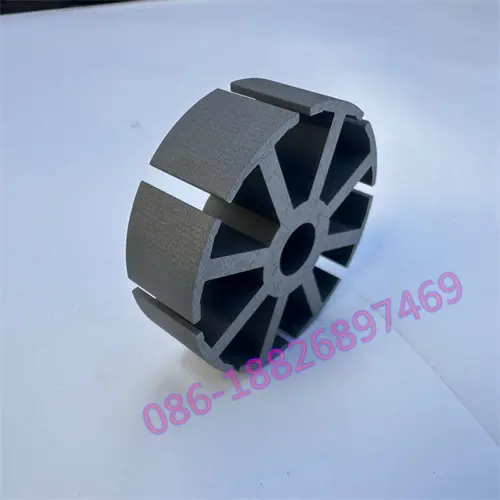
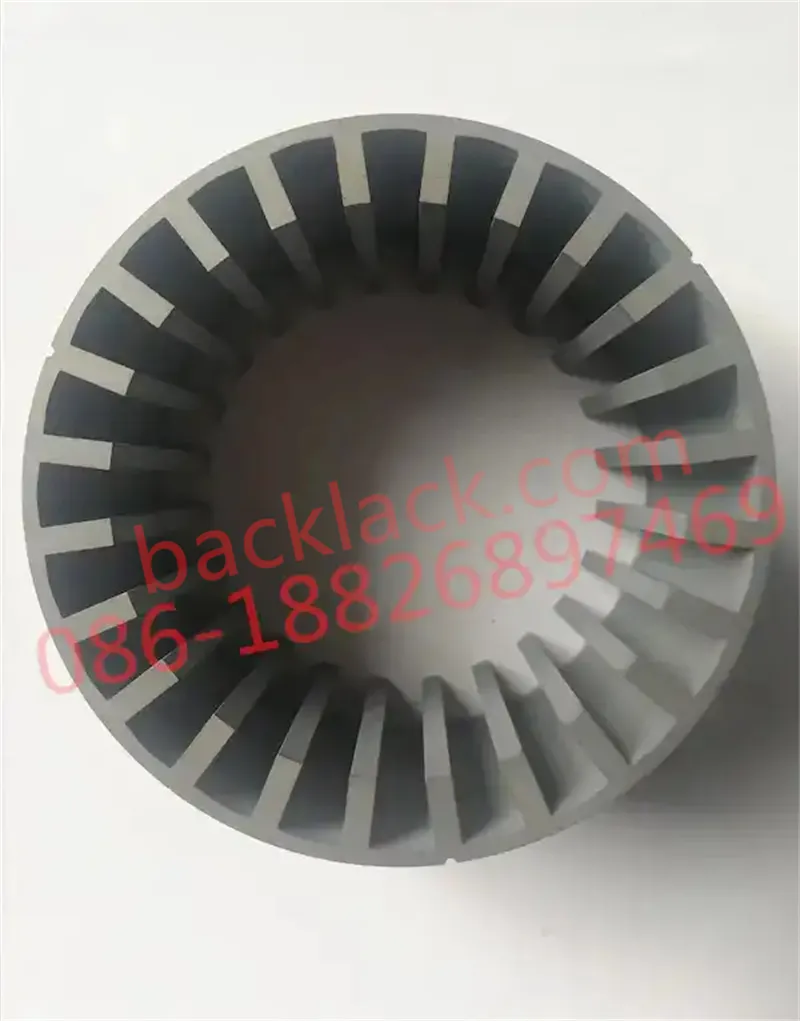
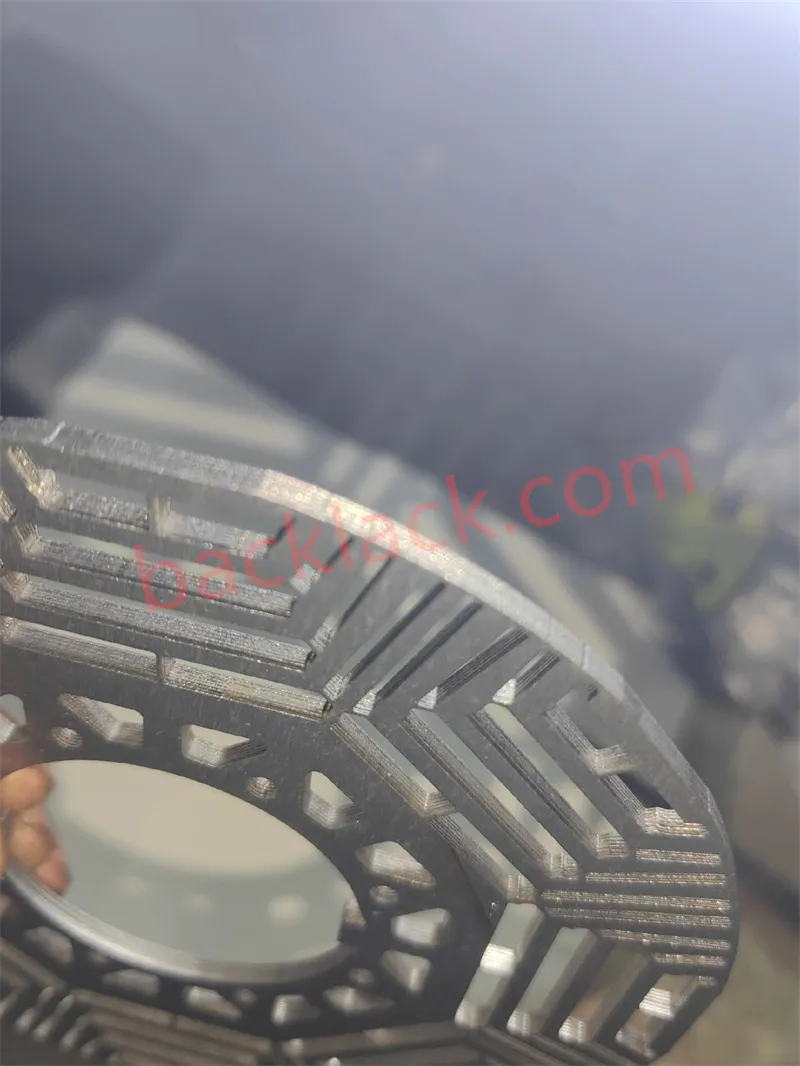
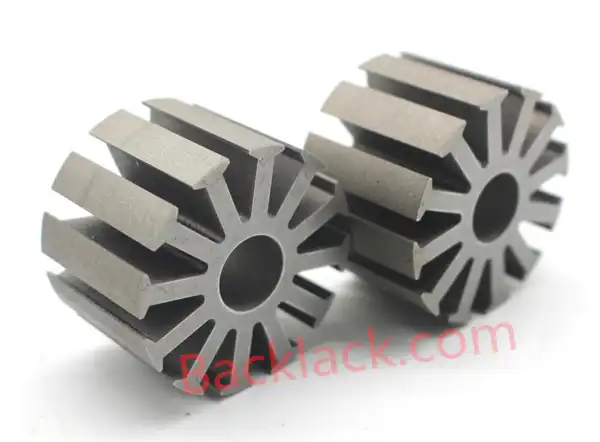
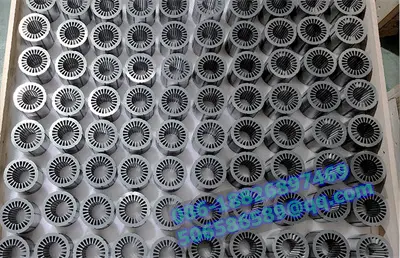
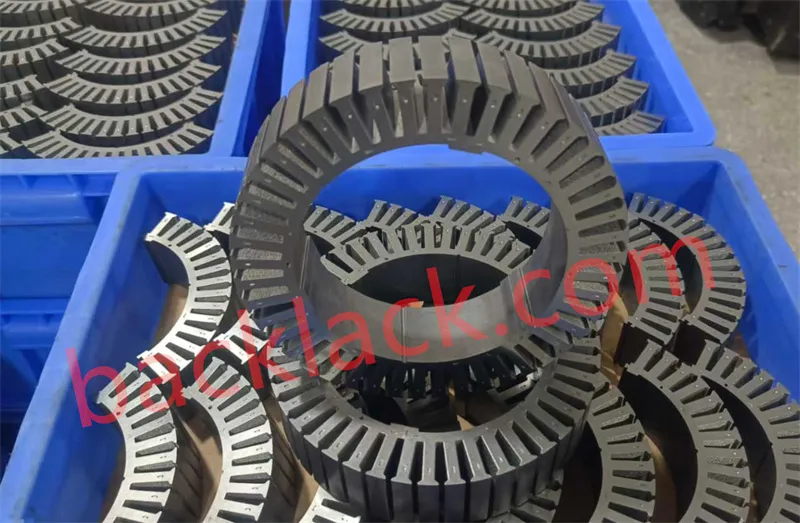
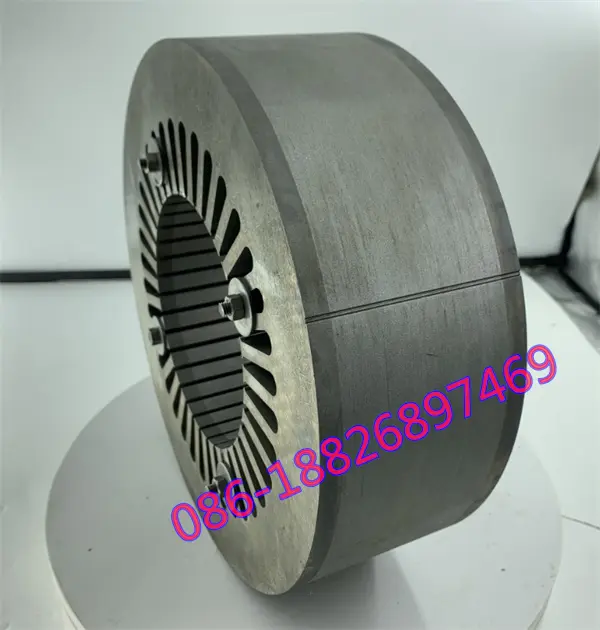
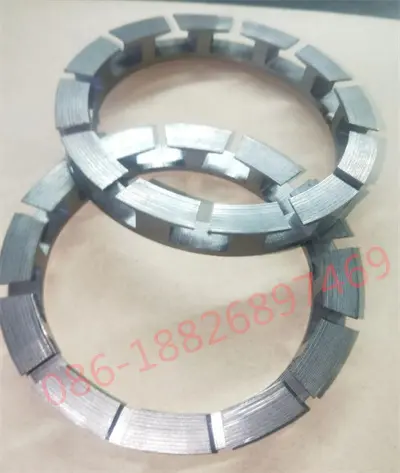
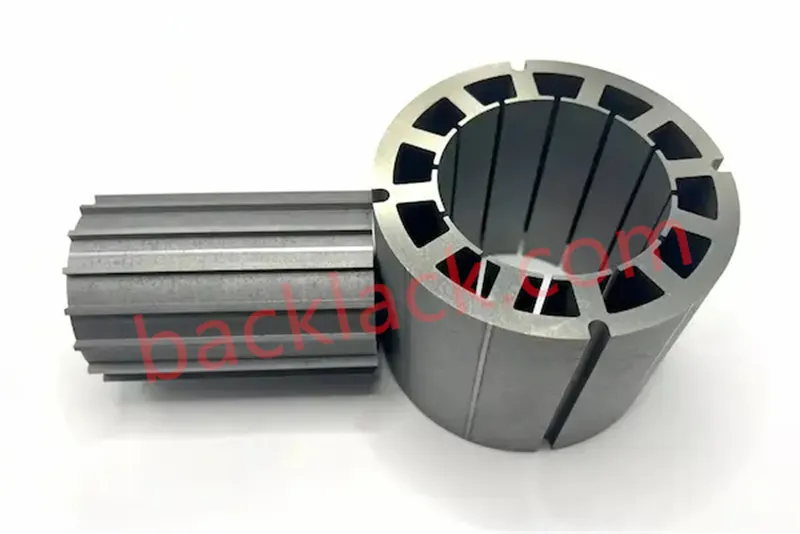
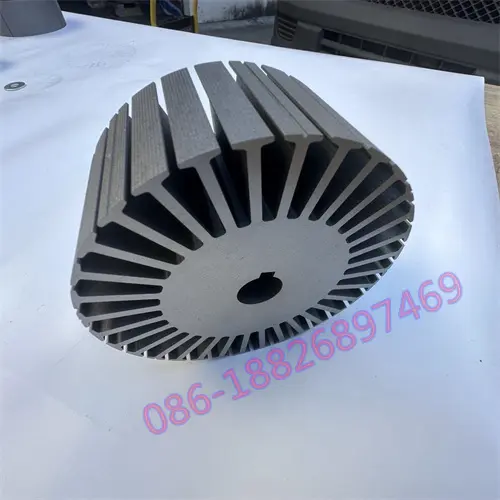
From the Lab to the Blue Sky: How Custom Stator Lamination Enables eVTOL Propulsion Motors

Precision manufacturing meets aerospace innovation: Our journey as a custom stator lamination specialist

As a custom stator lamination manufacturer with decades of experience serving demanding industries, we've witnessed firsthand the evolution of electric motor technology. From industrial automation to electric vehicles, each application has pushed the boundaries of what's possible in electromagnetic design and manufacturing precision. But nothing has challenged our capabilities quite like the emerging eVTOL (electric Vertical Takeoff and Landing) aircraft market.

When eVTOL developers first approached us several years ago, they presented requirements that seemed almost impossible to achieve through conventional manufacturing methods. They needed stator laminations with tolerances tighter than anything we'd previously produced, made from advanced materials that behaved unpredictably during processing, and assembled with consistency that would meet aerospace quality standards. What they were asking for wasn't just an incremental improvement—it was a complete reimagining of the stator lamination process.

Today, after years of collaboration, process development, and technological investment, we're proud to be a key enabler of the urban air mobility revolution. This article shares our journey from traditional stator manufacturing to becoming a trusted partner for some of the world's most innovative eVTOL companies.

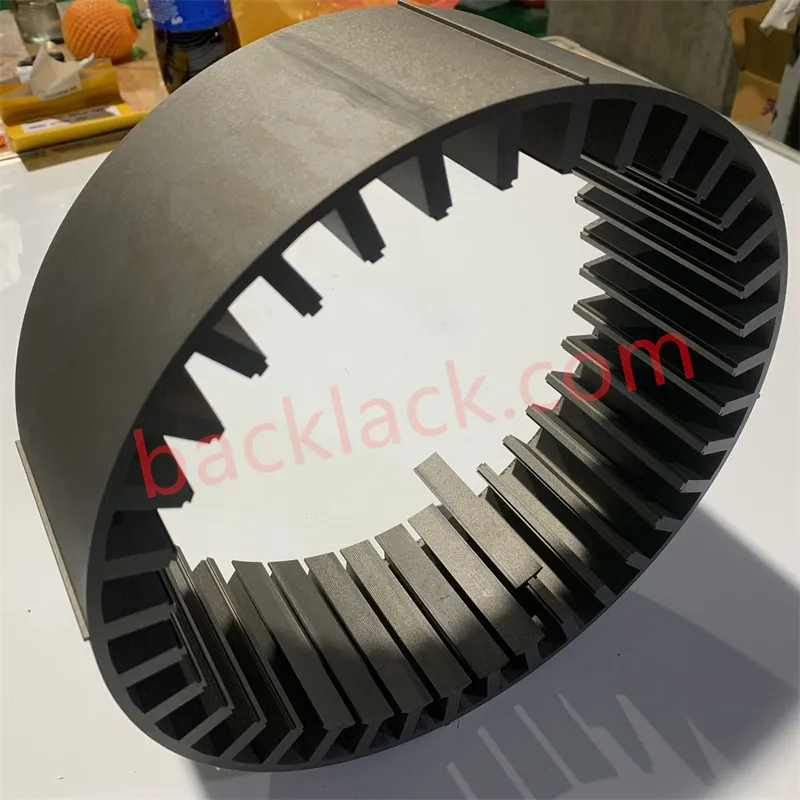
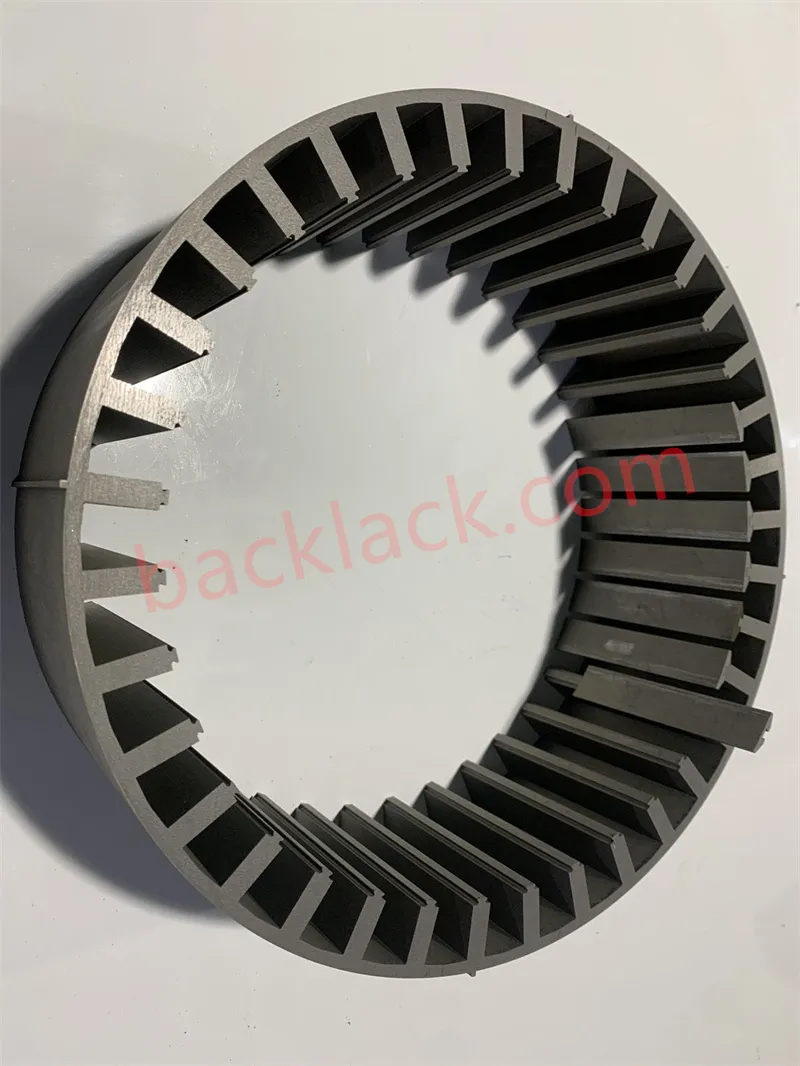
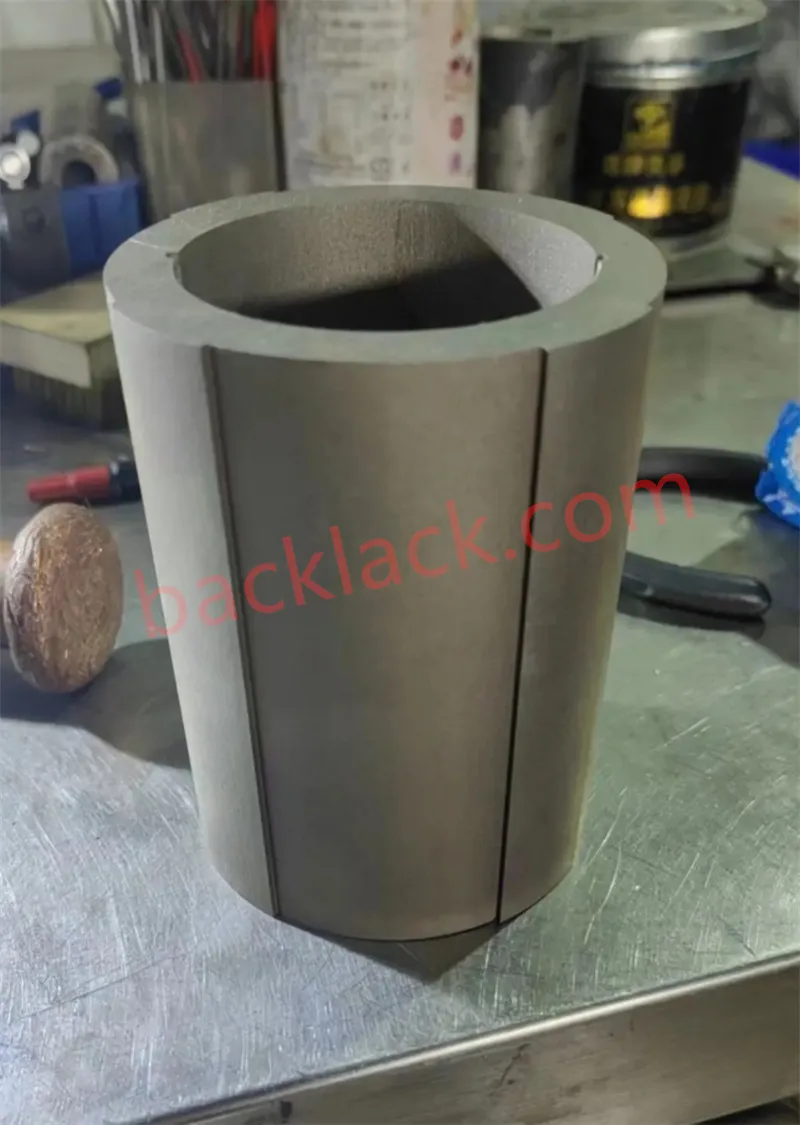
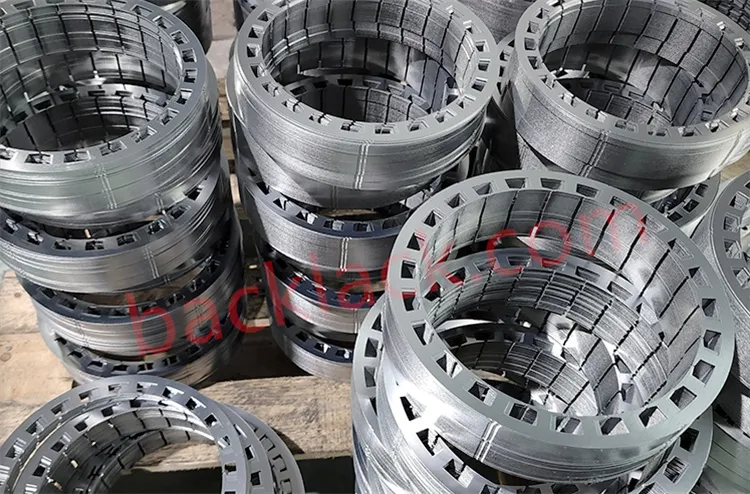
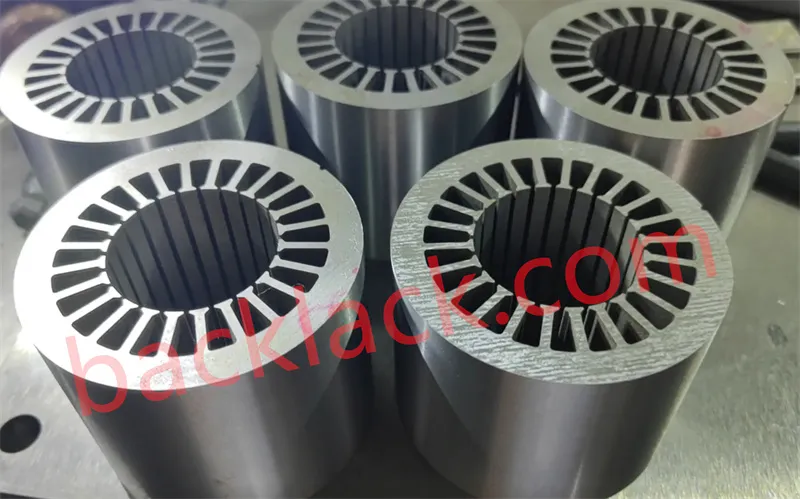
Hiperco 50 Iron Cobalt Alloy Processing For Evtol Stator Laminations Expert Manufacturing Facility Precision Control In Evtol Stator Lamination Plant ±5 Micron Tolerance Achievement Quality Assurance Stages In Evtol Stator Lamination Processing Plants Precision Strip Processing Techniques For Aerospace Grade Evtol Stator Laminations Automated Stacking Systems How Evtol Stator Lamination Plants Ensure Perfect Alignment Custom Stator Lamination With Vacodur 49 For Evtol Stator Lamination Processing Plants Optimizing Heat Treatment For Iron Cobalt Alloys In Evtol Stator Lamination Facility Heat Treating Processes To Minimize Distortion In Hiperco 50 Evtol Stator Alloys Real Time Dimensional Monitoring In Evtol Stator Lamination Strip Processing Challenges of Processing Hiperco 50 Alloys For Evtol Propulsion Motor Stators Advanced Material Processing Plant Optimizing Magnetic Properties of Evtol Stator Alloys Automated Stacking Vs Manual Stacking For Evtol Stator Lamination Manufacturing Facilities Full Traceability In Evtol Stator Lamination Production Aerospace Grade Processing Plant How To Maintain Magnetic Characteristics In Hiperco 50 During Evtol Stator Processing Specialized Bonding Processes For Hiperco 50 Alloys In Evtol Stator Manufacturing Real Time Monitoring Systems For Evtol Stator Lamination Strip Processing Plants Proprietary Automated Stacking A Game Changer For Evtol Stator Lamination Plants As9100 Compliance In Evtol Stator Lamination Manufacturing Facilities Material Distortion Reduction In Hiperco 50 Processing For Evtol Stators Aerospace Standards For Evtol Stator Lamination Processing Plants Advanced Bonding Techniques For Evtol Stator Lamination Manufacturing Facility Insights Dimensional Accuracy In Evtol Stator Strip Processing Plant Level Quality Control Hiperco 50 Processing Plant Solving Evtol Stator Alloy Consistency Challenges Automated Stacking Pressure Control For Optimal Evtol Stator Electromagnetic Performance Comprehensive Testing In Evtol Stator Lamination Processing Plants Magnetic Property Optimization In Hiperco 50 Alloys For Evtol Stator Manufacturing Evtol Stator Lamination Plant Raw Material To Finished Product Traceability Overcoming Hiperco 50 Brittleness In Evtol Stator Lamination Processing Strip Processing Innovations For Evtol Stator Lamination Manufacturing Facilities How Automated Stacking Improves Evtol Stator Lamination Consistency In Plants Heat Treatment Parameters For Hiperco 50 In Evtol Stator Processing Plant Aerospace Grade Quality Assurance For Evtol Stator Lamination Plants Advanced Material Processing Key To High Performance Evtol Stator Laminations Cost Optimization In Hiperco 50 Processing For Evtol Stator Lamination Facilities Real Time Data Analytics In Evtol Stator Lamination Processing Plants Bonding Process Optimization For Iron Cobalt Alloys In Evtol Stator Plant Manual Stacking Limitations In Evtol Stator Lamination Why Plants Adopt Automation Hiperco 50 Alloy Processing Plant Meeting Evtol Propulsion Motor Requirements Traceability Systems In Evtol Stator Lamination Manufacturing Facilities Maximizing Magnetic Efficiency In Evtol Stators Advanced Material Processing Plant

Understanding the eVTOL Challenge: Why Standard Approaches Fall Short

When eVTOL engineers first walked into our facility, they brought with them specifications that immediately highlighted the limitations of conventional stator manufacturing:

  • Dimensional tolerances of 0.002 inches—compared to 0.008 inches typical in aerospace auxiliary power units
  • Advanced iron-cobalt alloys that distorted during heat treatment
  • Consistent magnetic performance across thousands of production units
  • Aerospace-grade quality assurance with full traceability
  • High-volume production capability without compromising precision

Their early attempts to adapt automotive-grade motors for aerospace applications had failed spectacularly. Silicon steel-based interior permanent magnet (IPM) motors from the electric vehicle sector simply couldn't deliver the power density, torque characteristics, or reliability required for flight-critical applications. They needed something entirely new—and they needed a manufacturing partner who could help them build it.

"We initially thought we could modify existing automotive motor designs for our eVTOL platform. It wasn't until we started working with [Our Company Name] that we realized we needed to completely rethink the manufacturing process from the ground up. Their expertise in precision lamination and willingness to invest in new capabilities made our aircraft possible."

— Chief Propulsion Engineer, Leading eVTOL Developer

Our Manufacturing Evolution: Building Capabilities for Flight

Meeting eVTOL requirements demanded more than just tighter process controls—it required a fundamental transformation of our entire manufacturing approach. We invested heavily in developing integrated capabilities that address every aspect of the stator lamination challenge.

Advanced Material Processing

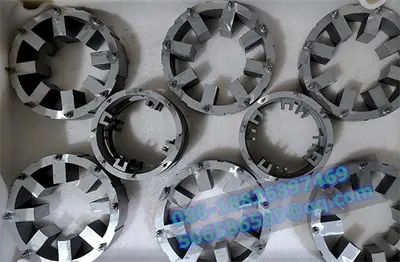
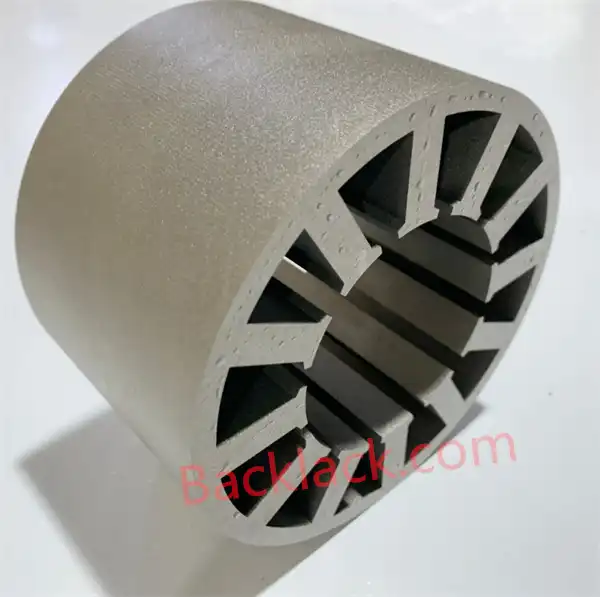
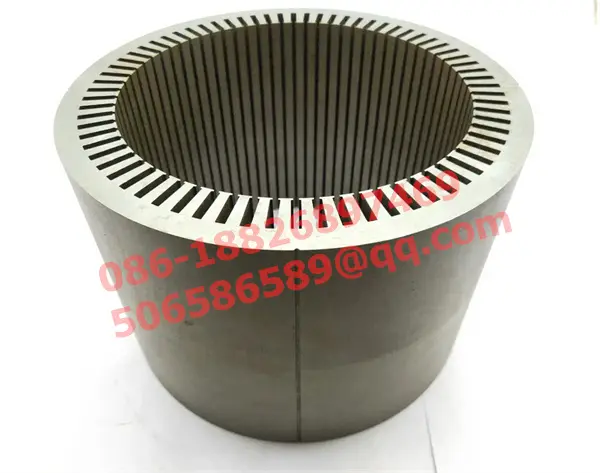
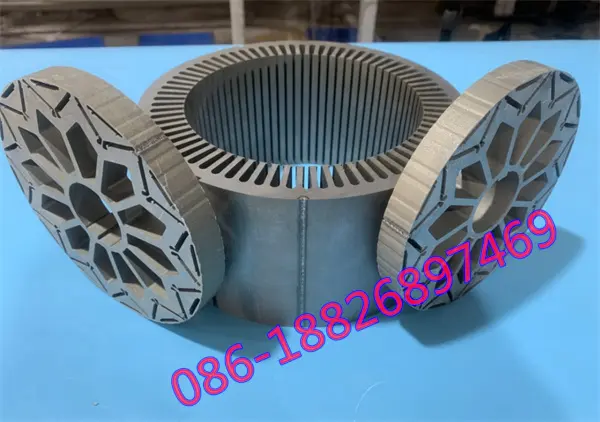
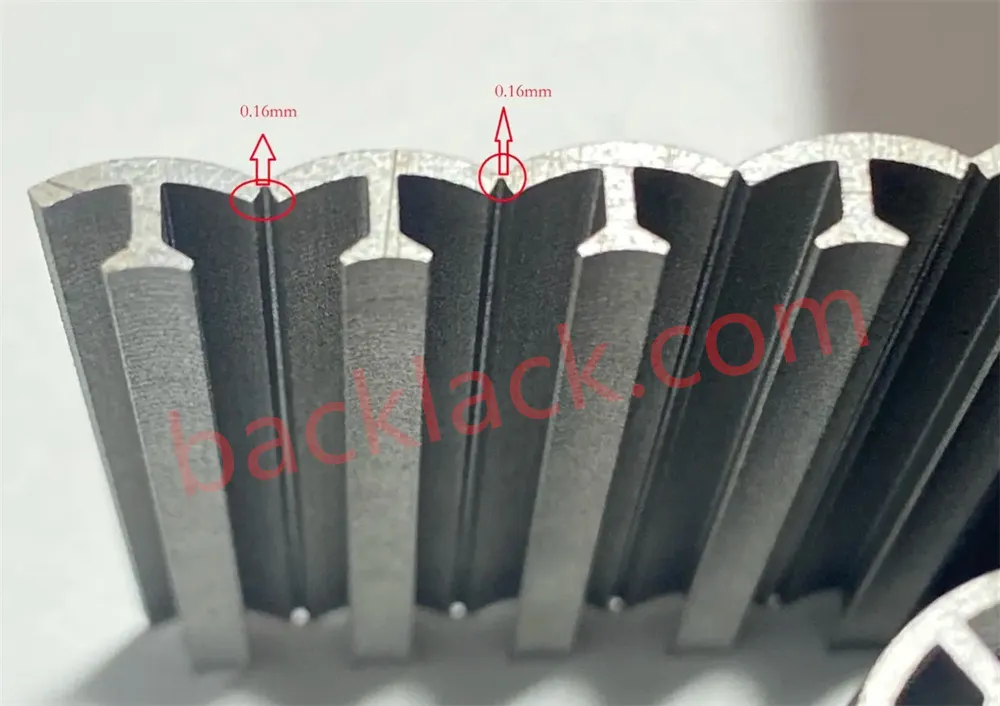
Working with iron-cobalt alloys like Hiperco® 50 presented unique challenges. These materials offer superior magnetic properties but are notoriously difficult to process consistently. We developed specialized heat treating and bonding processes that minimize material distortion while maintaining the magnetic characteristics that make these alloys so valuable for aerospace applications.

Precision Strip Processing

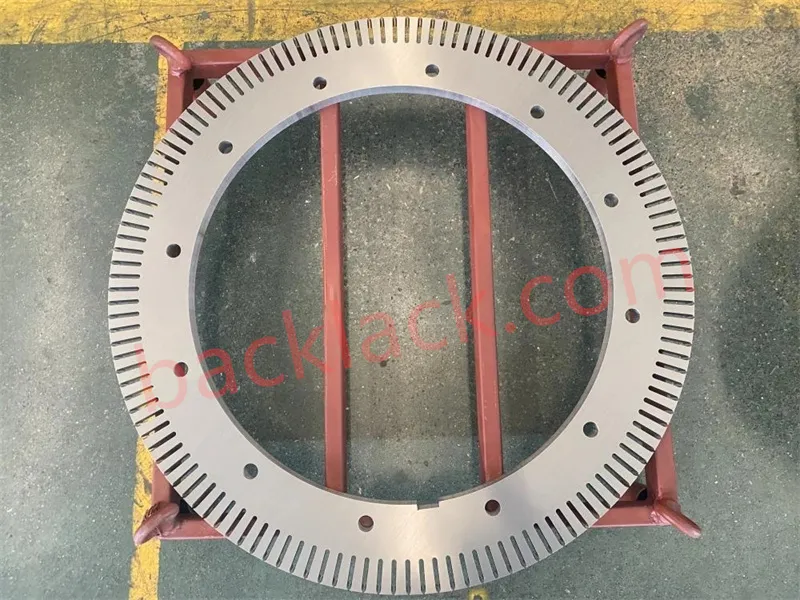
We implemented advanced strip processing capabilities with real-time dimensional monitoring and control. This ensures that every lamination starts with material that meets exacting specifications, providing the foundation for consistent final assembly.

Automated Stacking Systems

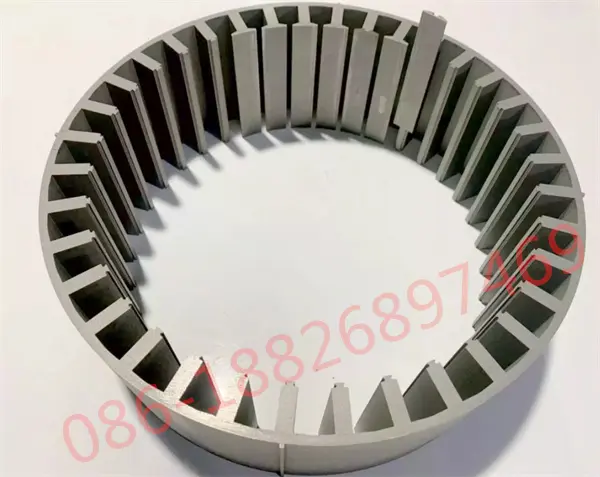
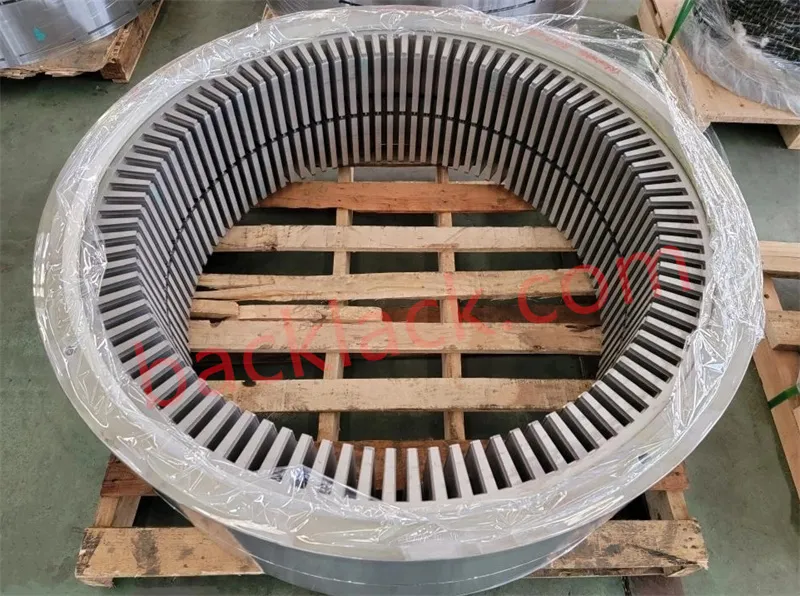
Traditional manual stacking simply couldn't achieve the consistency required for eVTOL applications. We developed proprietary automated stacking systems that operate in controlled environments, ensuring perfect alignment and consistent pressure application for optimal electromagnetic performance.

Comprehensive Quality Assurance

Every stator lamination undergoes rigorous testing at multiple stages of production. Our AS9100-certified quality management system ensures that every component meets aerospace standards, with full traceability from raw material to finished product.

The Results: Enabling eVTOL Performance

Our manufacturing innovations have directly enabled the performance characteristics that make eVTOL aircraft commercially viable:

25%
Greater torque density through optimized lamination geometry
30%
Improved power density via advanced material processing
30%
Size reduction through precision manufacturing
99.98%
Production yield rate for aerospace-quality components

These improvements aren't just theoretical—they translate directly into aircraft performance. Higher torque density enables greater payload capacity, improved power density extends flight range, and size reduction allows for more efficient aircraft design. Most importantly, our manufacturing consistency ensures that every motor performs identically, a critical requirement for flight safety and operational reliability.

Scaling for Commercial Success

Perhaps our greatest achievement has been developing manufacturing processes that can scale to meet commercial demand without compromising quality. Early eVTOL prototypes could be hand-built by skilled technicians, but commercial viability requires production volumes that only automated, integrated manufacturing can provide.

We've invested in flexible manufacturing systems that can handle multiple eVTOL motor designs simultaneously, allowing us to serve multiple customers with different technical requirements. Our production lines incorporate real-time monitoring and adaptive control systems that maintain quality despite natural material variations, ensuring consistent performance across thousands of units.

This scalability has been crucial for our customers' business models. By providing reliable, high-volume production capability, we've helped reduce their supply chain risk and enabled them to meet aggressive delivery schedules for commercial deployment.

Looking Ahead: The Future of eVTOL Manufacturing

As the eVTOL market continues to evolve, we're already working on next-generation manufacturing capabilities:

  • Advanced cooling integration: Developing lamination processes that incorporate thermal management features directly into the stator structure
  • Novel material combinations: Exploring new soft magnetic materials that offer even better performance characteristics
  • Digital twin integration: Implementing real-time process simulation and optimization to further improve consistency
  • Sustainable manufacturing: Reducing waste and energy consumption while maintaining performance standards

Our Commitment: We don't just manufacture stator laminations—we partner with eVTOL developers to solve their most challenging propulsion problems. From initial concept through commercial production, our engineering team works alongside our customers to optimize designs for manufacturability while maintaining performance requirements.

Partnering for Success

The eVTOL revolution isn't just about aircraft design—it's about building an entire ecosystem of suppliers, manufacturers, and service providers who can support safe, reliable, and commercially viable urban air mobility. As a custom stator lamination manufacturer, we're proud to play a critical role in this ecosystem.

If you're developing eVTOL propulsion systems and need a manufacturing partner who understands both the technical requirements and commercial pressures of this emerging market, we invite you to contact us. Our experience, capabilities, and commitment to innovation make us the ideal partner for bringing your eVTOL vision to reality.

From the lab to the blue sky—the journey continues, and we're ready to help you navigate every step of the way.

Ready to elevate your motor performance?

Are you researching the stator lamination process for propulsion motors in electric vertical takeoff and landing (EVTOL) aircraft?

Request a Technical Consultation

Contact us today for a technical consultation and sample evaluation. Our team will work with you to understand your specific requirements, optimize your core design, and deliver a solution that meets your performance, budget, and timeline needs.

About Youyou Technology

With decades of experience in precision motor core manufacturing, we specialize in custom stator and rotor laminations for the most demanding applications. Our capabilities include:

  • Material expertise: Silicon steel (0.05mm–0.5mm), amorphous alloys, cobalt-iron alloys, and soft magnetic composites
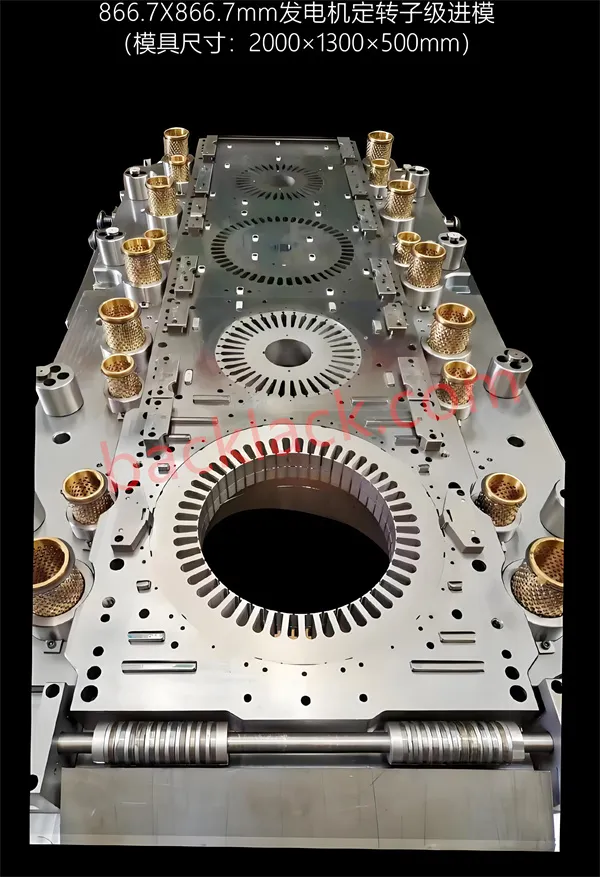
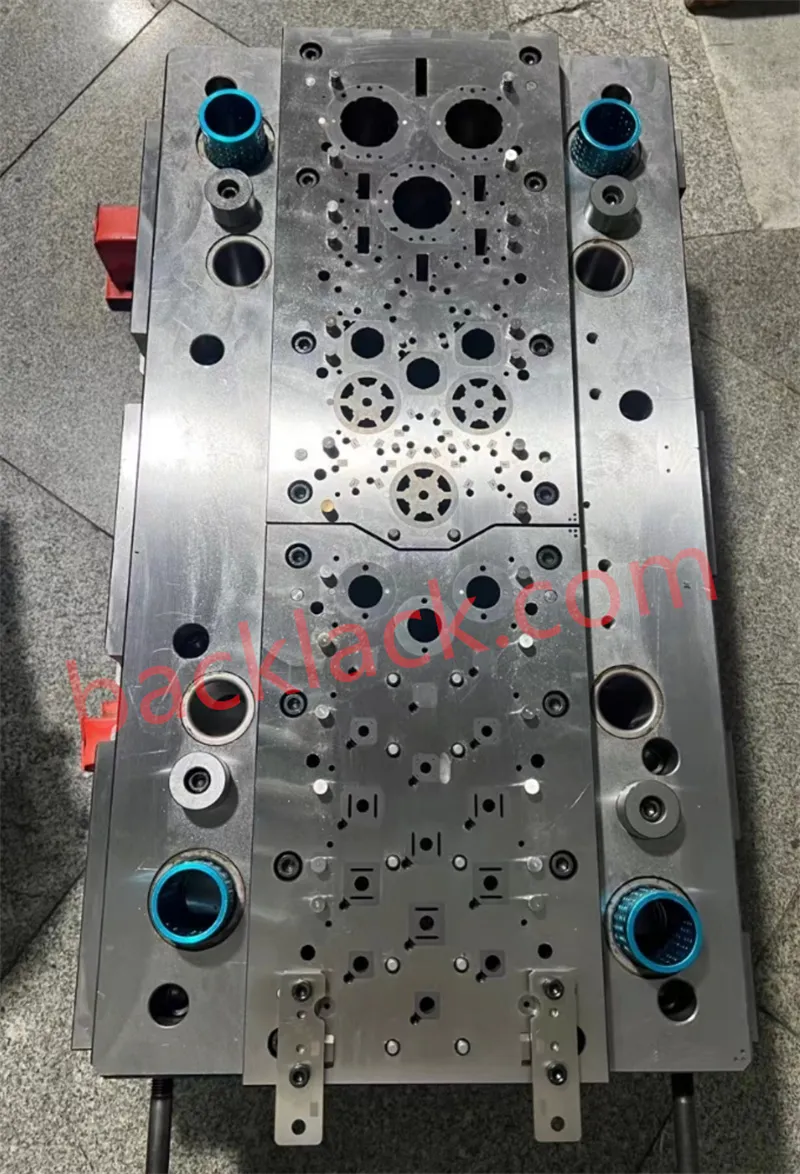
  • Advanced manufacturing: Laser cutting, precision stamping, automated stacking, and specialized coating technologies
  • Quality standards: ISO 9001, IATF 16949, and industry-specific certifications
  • Global partnerships: Serving leading OEMs in automotive, aerospace, industrial automation, and renewable energy sectors
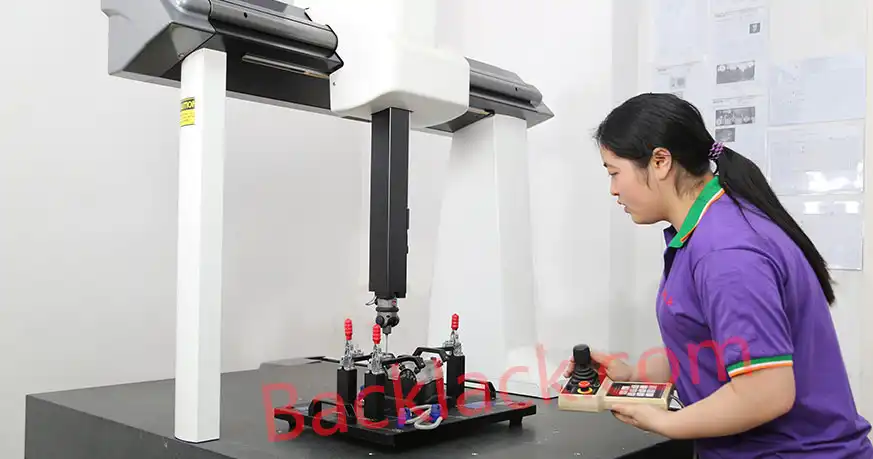
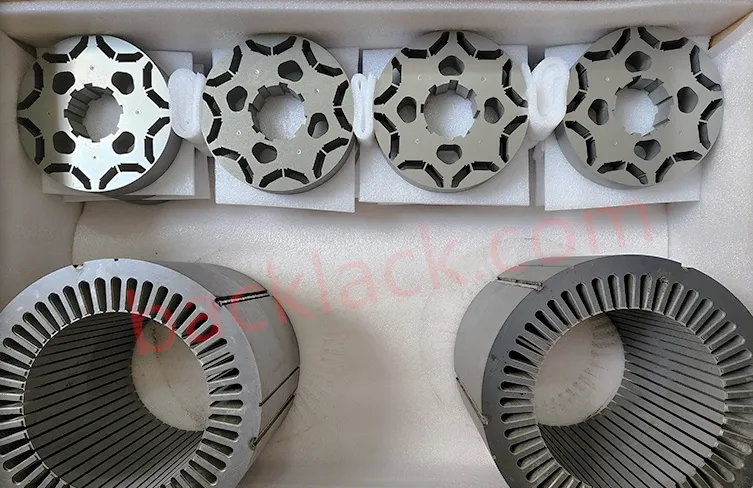
Quality Control for Lamination Bonding Stacks

As an stator and rotor lamination bonding stack manufacturer in China, we strictly inspect the raw materials used to make the laminations.

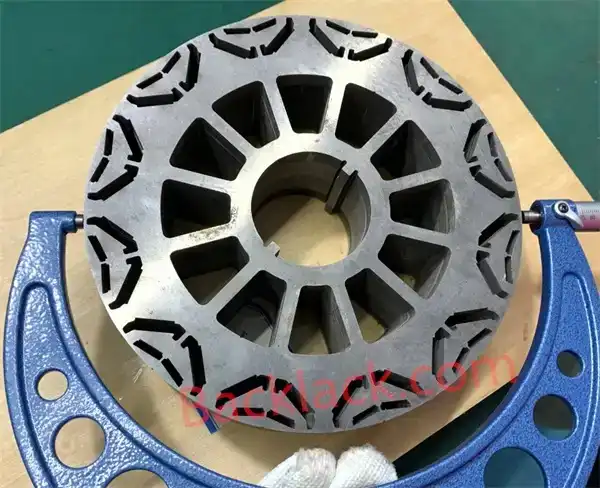
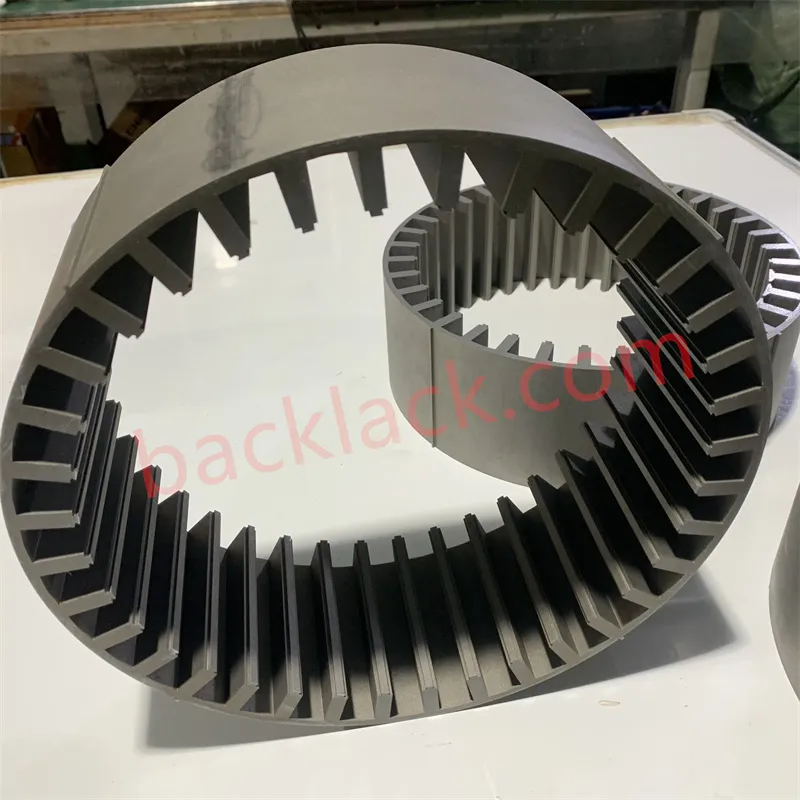
Technicians use measuring tools such as calipers, micrometers, and meters to verify the dimensions of the laminated stack.

Visual inspections are performed to detect any surface defects, scratches, dents, or other imperfections that may affect the performance or appearance of the laminated stack.

Because disc motor lamination stacks are usually made of magnetic materials such as steel, it is critical to test magnetic properties such as permeability, coercivity, and saturation magnetization.

Quality Control For Adhesive Rotor and Stator Laminations

Other Motor Laminations Assembly Process

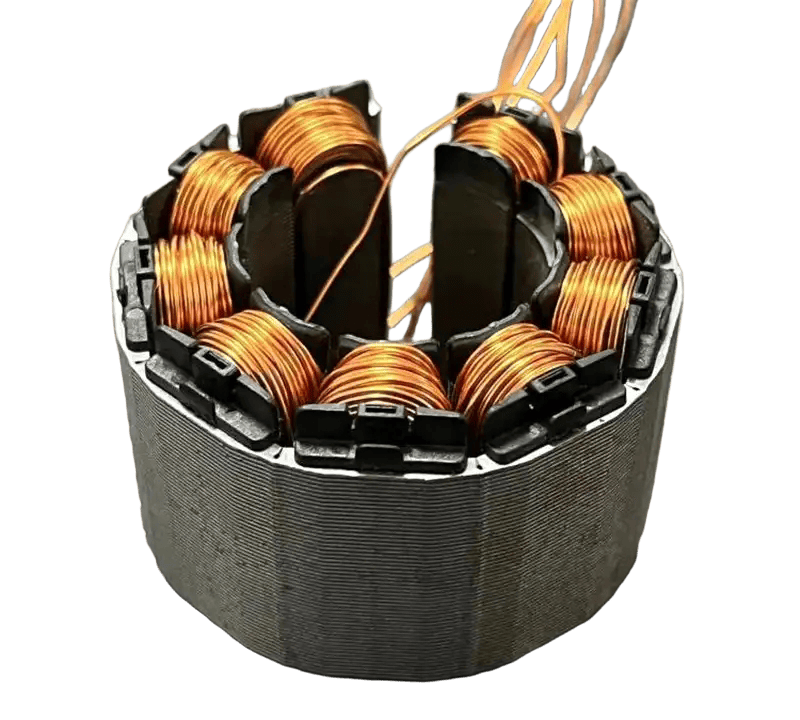
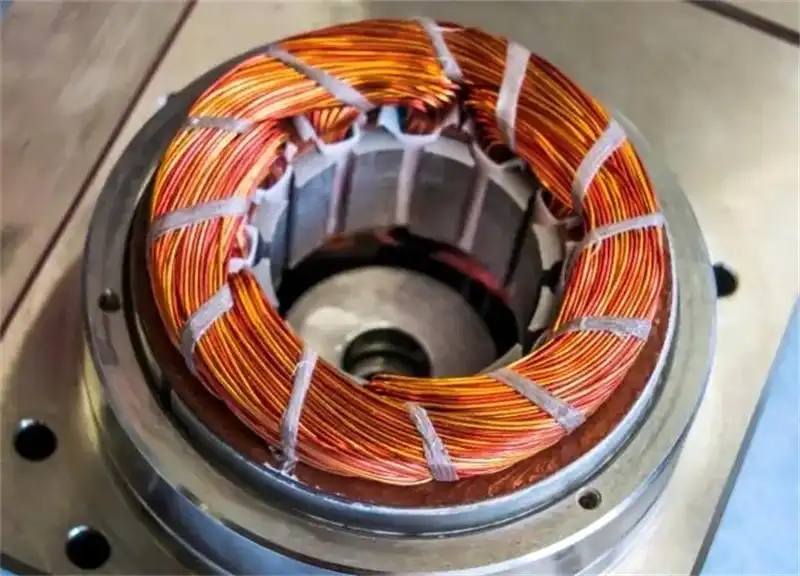
Stator Winding Process

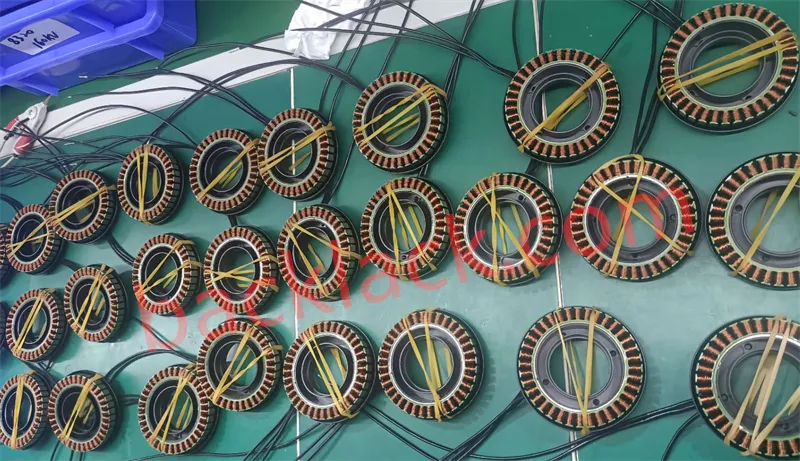
The stator winding is a fundamental component of the electric motor and plays a key role in the conversion of electrical energy into mechanical energy. Essentially, it consists of coils that, when energized, create a rotating magnetic field that drives the motor. The precision and quality of the stator winding directly affects the efficiency, torque, and overall performance of the motor.

We offer a comprehensive range of stator winding services to meet a wide range of motor types and applications. Whether you are looking for a solution for a small project or a large industrial motor, our expertise guarantees optimal performance and lifespan.

Motor Laminations Assembly Stator Winding Process

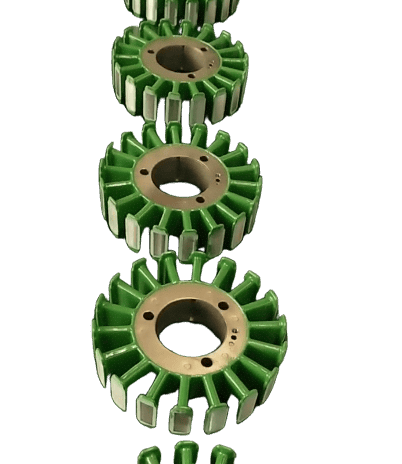
Epoxy powder coating for motor cores

Epoxy powder coating technology involves applying a dry powder which then cures under heat to form a solid protective layer. It ensures that the motor core has greater resistance to corrosion, wear and environmental factors. In addition to protection, epoxy powder coating also improves the thermal efficiency of the motor, ensuring optimal heat dissipation during operation.

We have mastered this technology to provide top-notch epoxy powder coating services for motor cores. Our state-of-the-art equipment, combined with the expertise of our team, ensures a perfect application, improving the life and performance of the motor.

Motor Laminations Assembly Epoxy Powder Coating For Motor Cores

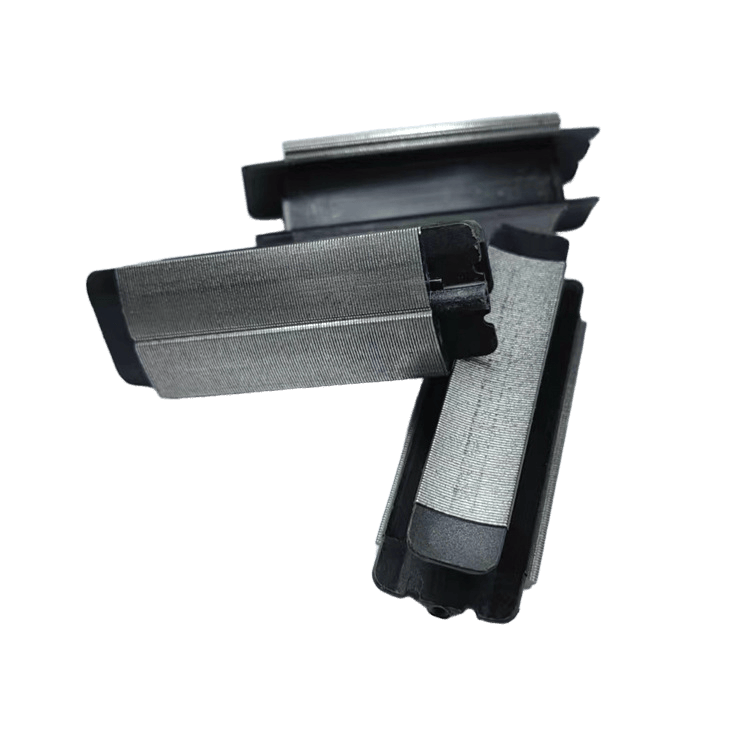
Injection Molding of Motor Lamination Stacks

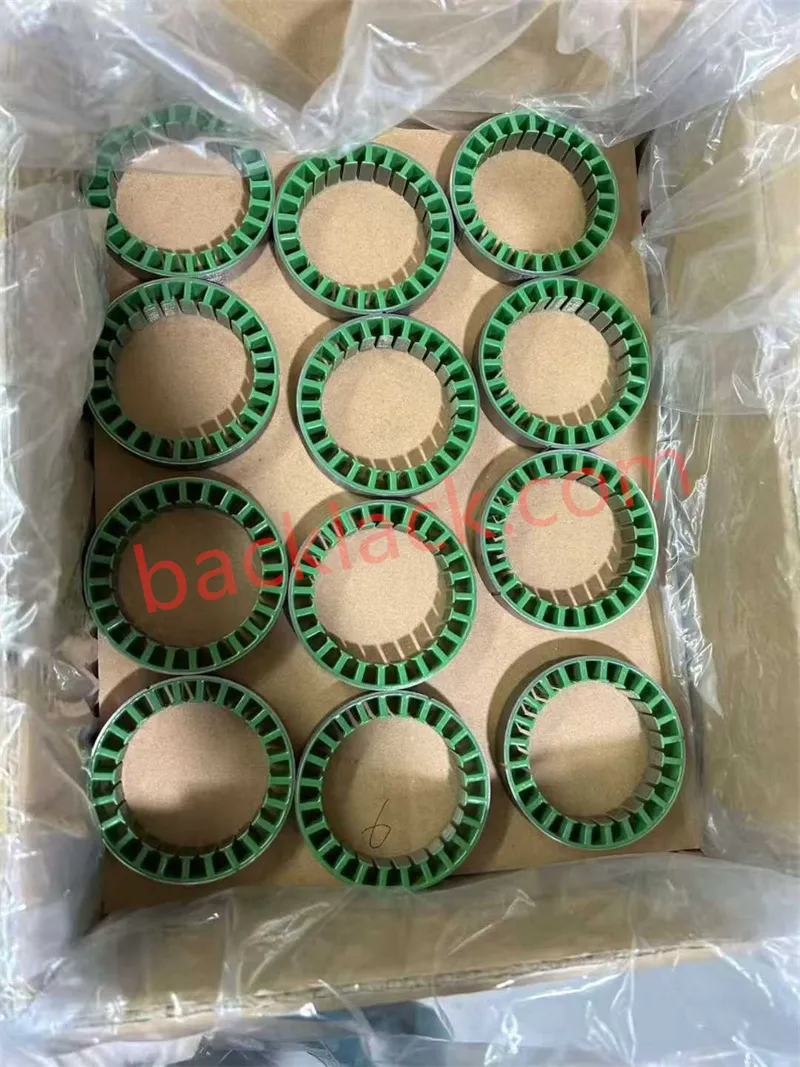
Injection molding insulation for motor stators is a specialized process used to create an insulation layer to protect the stator's windings.

This technology involves injecting a thermosetting resin or thermoplastic material into a mold cavity, which is then cured or cooled to form a solid insulation layer.

The injection molding process allows for precise and uniform control of the thickness of the insulation layer, guaranteeing optimal electrical insulation performance. The insulation layer prevents electrical short circuits, reduces energy losses, and improves the overall performance and reliability of the motor stator.

Motor Laminations Assembly Injection Molding of Motor Lamination Stacks

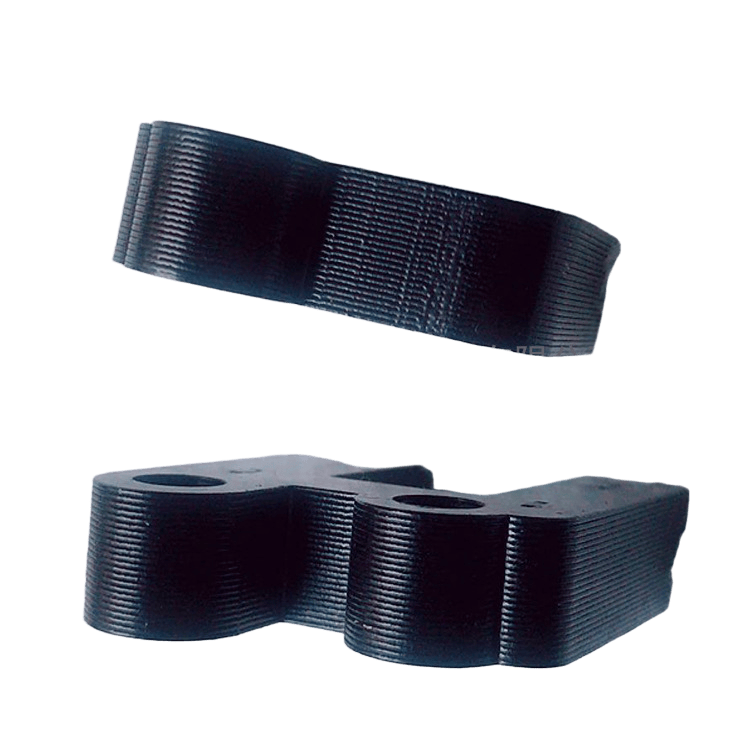
Electrophoretic coating/deposition technology for motor lamination stacks

In motor applications in harsh environments, the laminations of the stator core are susceptible to rust. To combat this problem, electrophoretic deposition coating is essential. This process applies a protective layer with a thickness of 0.01mm to 0.025mm to the laminate.

Leverage our expertise in stator corrosion protection to add the best rust protection to your design.

Electrophoretic Coating Deposition Technology For Motor Lamination Stacks

FAQS

What is the most cost-effective core material for high-volume production?

For high-volume production, silicon steel (0.20-0.35mm) remains the most cost-effective option. It offers an excellent balance of performance, manufacturability, and cost. For applications requiring better high-frequency performance, ultra-thin silicon steel (0.10-0.15mm) provides improved efficiency with only a moderate cost increase. Advanced composite laminations can also reduce total manufacturing cost through simplified assembly processes.

How do I choose between amorphous metals and nanocrystalline cores?

The choice depends on your specific requirements: Amorphous metals offer the lowest core losses (70-90% lower than silicon steel) and are ideal for applications where efficiency is paramount. Nanocrystalline cores provide a better combination of high permeability and low losses, along with superior temperature stability and mechanical properties. Generally, choose amorphous metals for maximum efficiency at high frequencies, and nanocrystalline cores when you need balanced performance across a wider range of operating conditions.

Are cobalt-iron alloys worth the premium cost for EV applications?

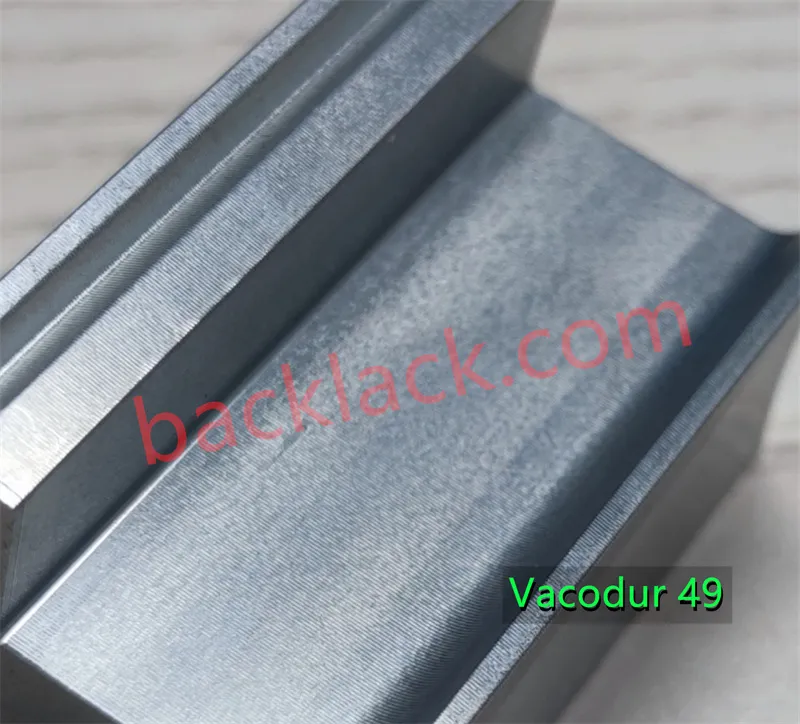
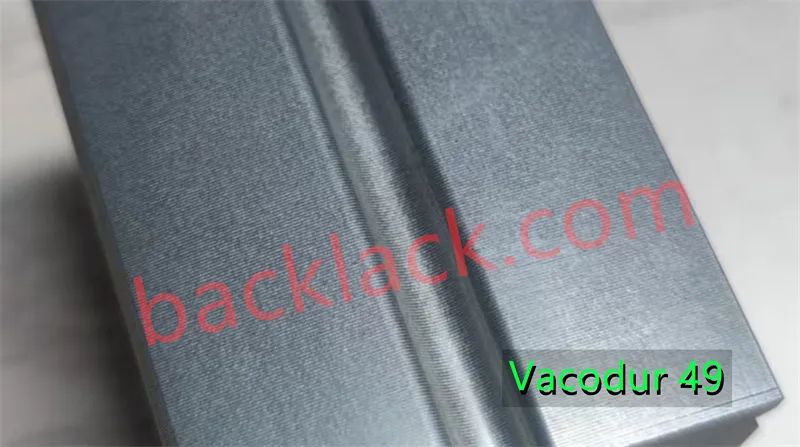
For premium EV applications where power density and efficiency are critical, cobalt-iron alloys like Vacodur 49 can provide significant advantages. The 2-3% efficiency gain and 20-30% size reduction can justify the higher material cost in performance-oriented vehicles. However, for mass-market EVs, advanced silicon steel grades often provide better overall value. We recommend conducting a total lifecycle cost analysis including efficiency gains, battery size reduction potential, and thermal management savings.

What manufacturing considerations are different for advanced core materials?

Advanced materials often require specialized manufacturing approaches: Laser cutting instead of stamping to prevent stress-induced magnetic degradation, specific heat treatment protocols with controlled atmospheres, compatible insulation systems that withstand higher temperatures, and modified stacking/bonding techniques. It's essential to involve material suppliers early in the design process to optimize both material selection and manufacturing approach.

What thicknesses are there for motor lamination steel? 0.1MM?

The thickness of motor core lamination steel grades includes 0.05/0.10/0.15/0.20/0.25/0.35/0.5MM and so on. From large steel mills in Japan and China. There are ordinary silicon steel and 0.065 high silicon silicon steel. There are low iron loss and high magnetic permeability silicon steel. The stock grades are rich and everything is available..

What manufacturing processes are currently used for motor lamination cores?

In addition to stamping and laser cutting, wire etching, roll forming, powder metallurgy and other processes can also be used. The secondary processes of motor laminations include glue lamination, electrophoresis, insulation coating, winding, annealing, etc.

How to order motor laminations?

You can send us your information, such as design drawings, material grades, etc., by email. We can make orders for our motor cores no matter how big or small, even if it is 1 piece.

How long does it usually take you to deliver the core laminations?

Our motor laminate lead times vary based on a number of factors, including order size and complexity. Typically, our laminate prototype lead times are 7-20 days. Volume production times for rotor and stator core stacks are 6 to 8 weeks or longer.

Can you design a motor laminate stack for us?

Yes, we offer OEM and ODM services. We have extensive experience in understanding motor core development.

What is the advantages of bonding vs welding on rotor and stator?

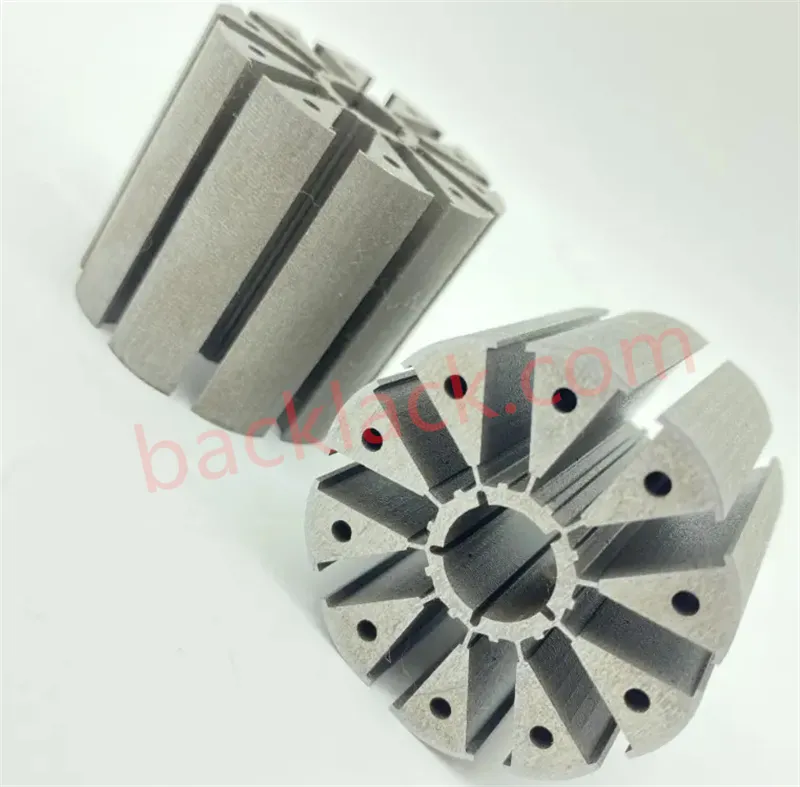
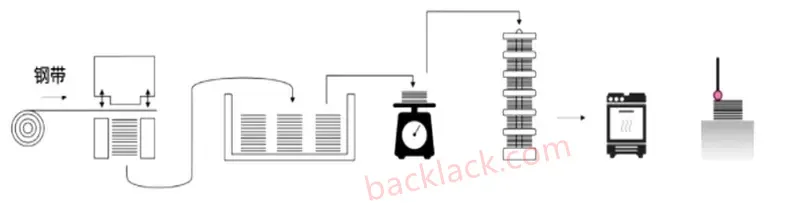
The concept of rotor stator bonding means using a roll coat process that applies an insulating adhesive bonding agent to the motor lamination sheets after punching or laser cutting. The laminations are then put into a stacking fixture under pressure and heated a second time to complete the cure cycle. Bonding eliminates the need for a rivet joints or welding of the magnetic cores, which in turn reduces interlaminar loss. The bonded cores show optimal thermal conductivity, no hum noise, and do not breathe at temperature changes.

Can glue bonding withstand high temperatures?

Absolutely. The glue bonding technology we use is designed to withstand high temperatures. The adhesives we use are heat resistant and maintain bond integrity even in extreme temperature conditions, which makes them ideal for high-performance motor applications.

What is glue dot bonding technology and how does it work?

Glue dot bonding involves applying small dots of glue to the laminates, which are then bonded together under pressure and heat. This method provides a precise and uniform bond, ensuring optimal motor performance.

What is the difference between self-bonding and traditional bonding?

Self-bonding refers to the integration of the bonding material into the laminate itself, allowing the bonding to occur naturally during the manufacturing process without the need for additional adhesives. This allows for a seamless and long-lasting bond.

Can bonded laminates be used for segmented stators in electric motors?

Yes, bonded laminations can be used for segmented stators, with precise bonding between the segments to create a unified stator assembly. We have mature experience in this area. Welcome to contact our customer servic.

Are you ready?

Start stator and rotor lamination Self-adhesive Cores stack Now!

Looking for a reliable stator and rotor lamination Self-adhesive Cores stack Manufacturer from China? Look no further! Contact us today for cutting-edge solutions and quality stator laminations that meet your specifications.

Contact our technical team now to obtain the self-adhesive silicon steel lamination proofing solution and start your journey of high-efficiency motor innovation!

Get Started Now

Recommended For You