Breaking Power Density & Cost Limits: Advanced Engineering & Manufacturing of Segmented Stator Lamination Stacks

Advanced Engineering & Manufacturing of Segmented Stator Lamination Stacks

Modern electric motors in EV traction, humanoid robotics, and aerospace demand higher torque density and sub-fractional iron losses. This comprehensive guide details how Segmented Stator Lamination Stacks paired with Backlack (Self-Bonding) technology push copper slot fill factors beyond 85%, eliminate eddy-current short-circuits, and reduce raw material scrap by up to 35%.

88%
Peak Slot Fill
Direct precision pre-winding
85%–90%
Material Yield
Optimized nested stamping
10%–20%
Core Loss Reduction
Backlack inter-sheet insulation
±2 μm
Stamping Tolerance
Progressive die precision

I. Evolution of Motor Cores: Why Segmented Stators Prevail

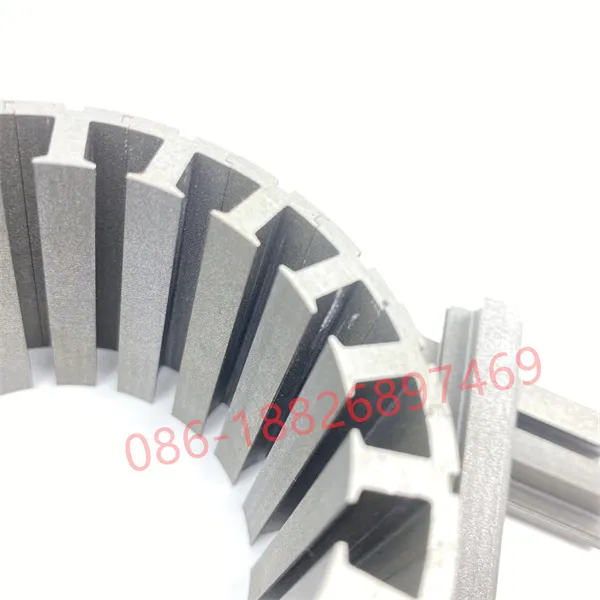
In traditional motor manufacturing, stator cores are stamped as a single, continuous ring. While mechanically straightforward, single-piece ring laminations restrict automated winding machinery access. Needle winding heads must maneuver through narrow slot openings, capping the maximum Copper Slot Fill Factor at 45%–55%.

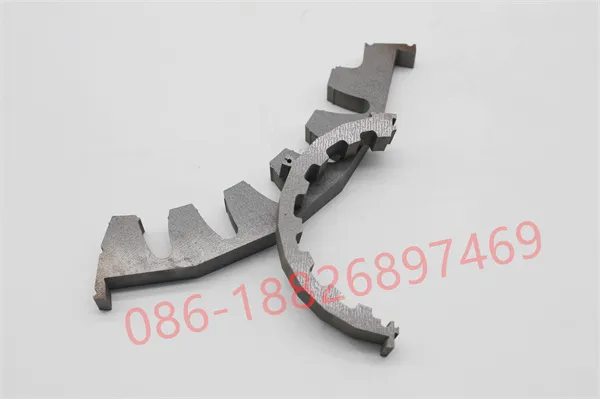
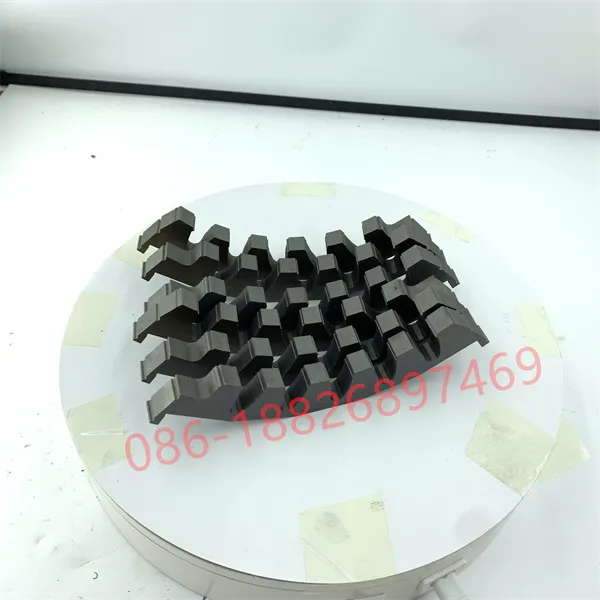
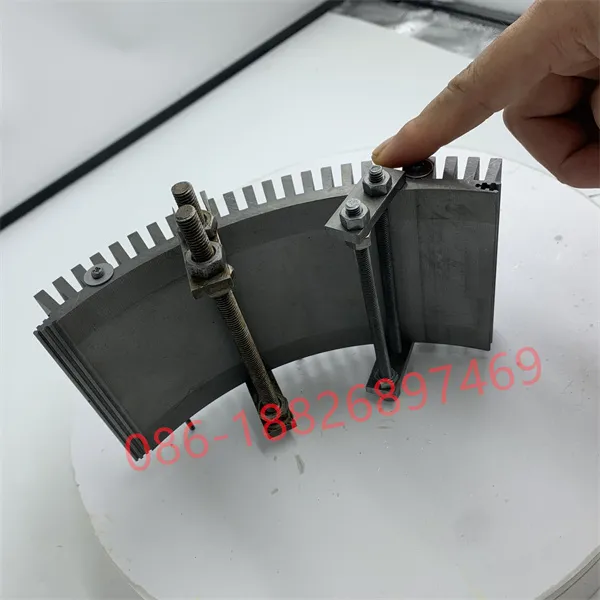
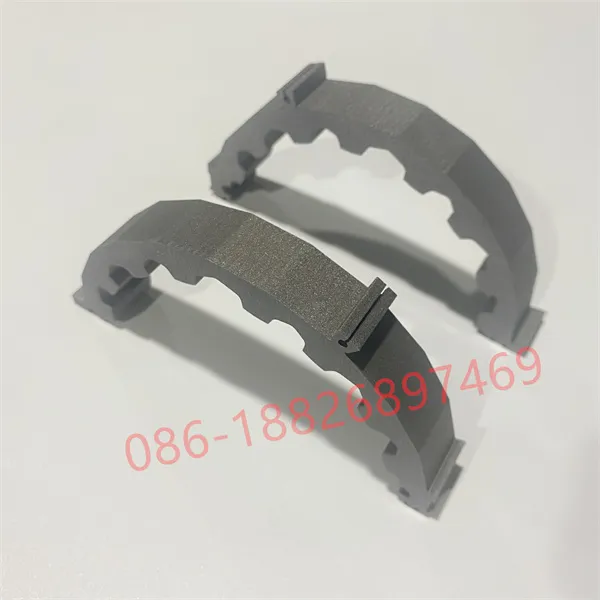
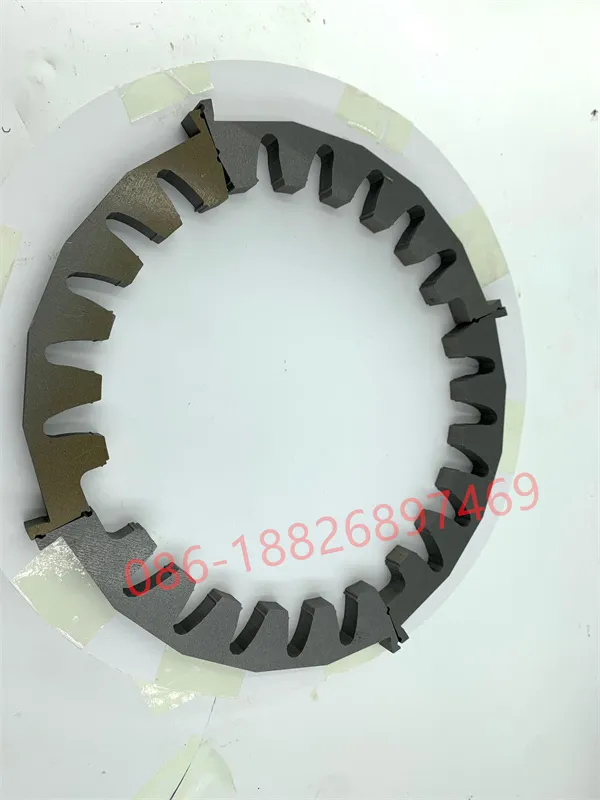
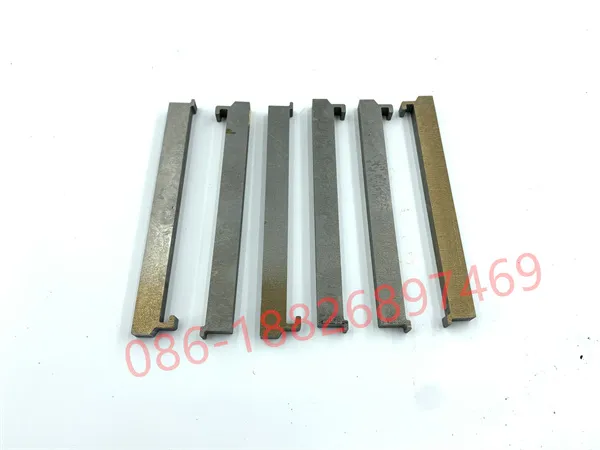
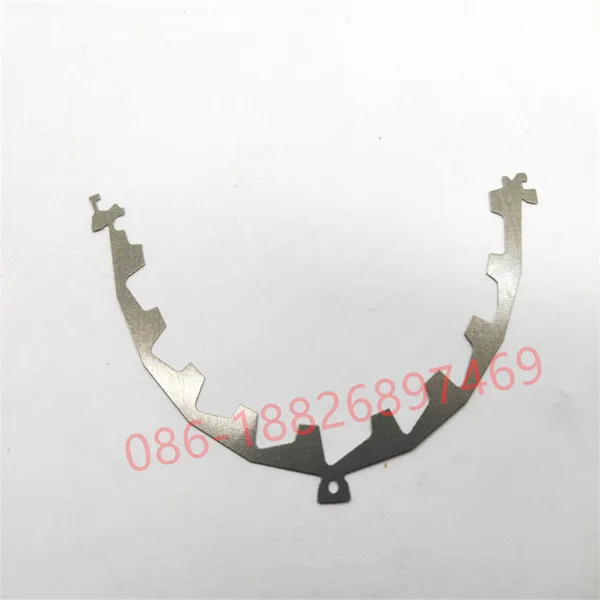
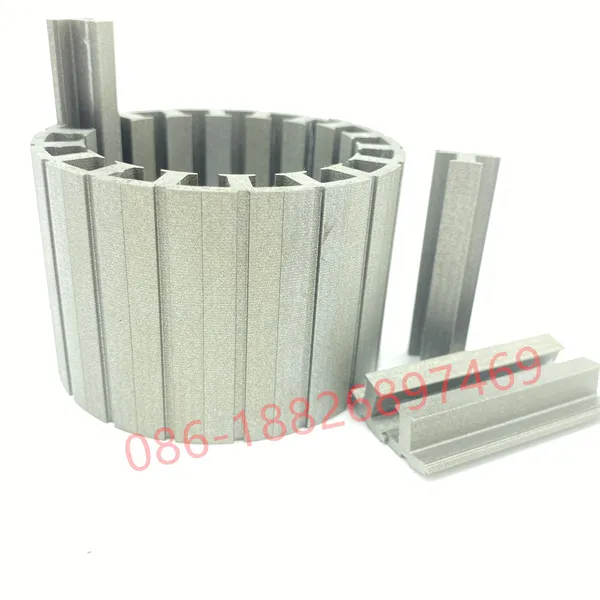
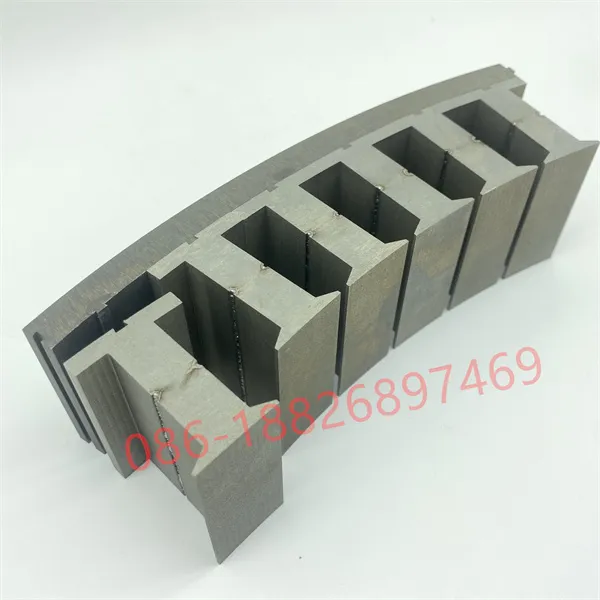
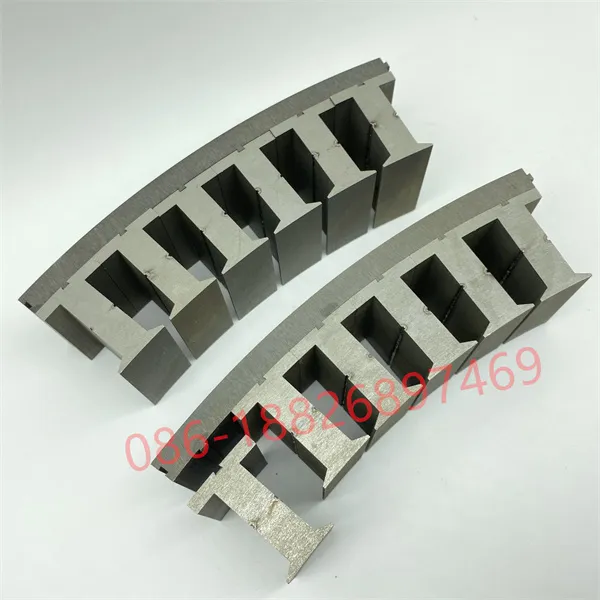
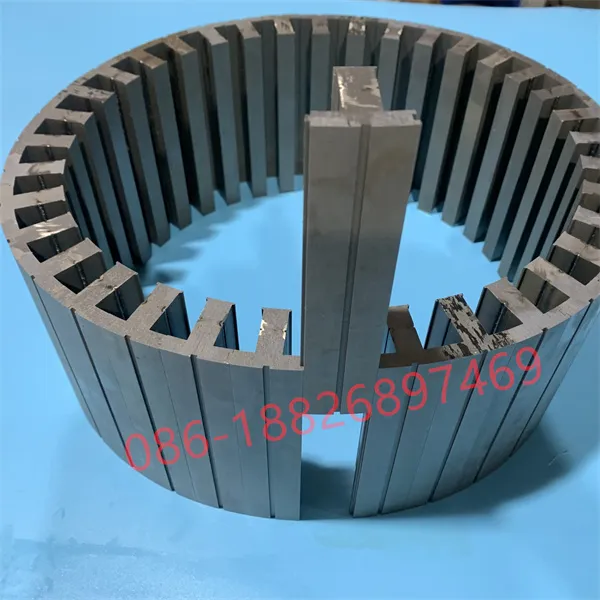
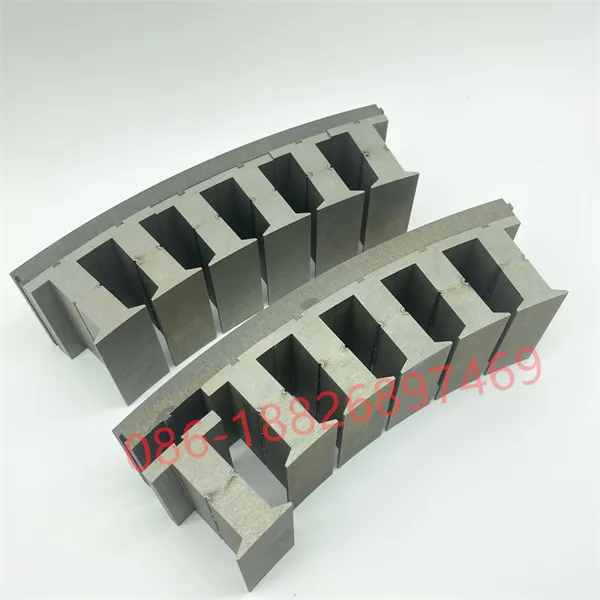
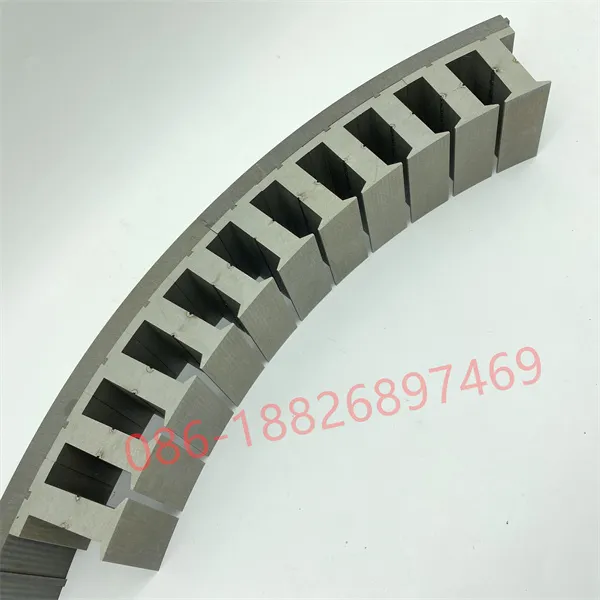
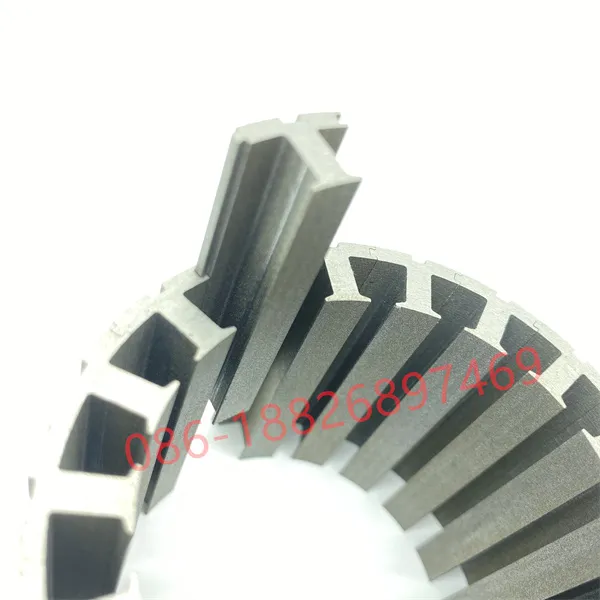
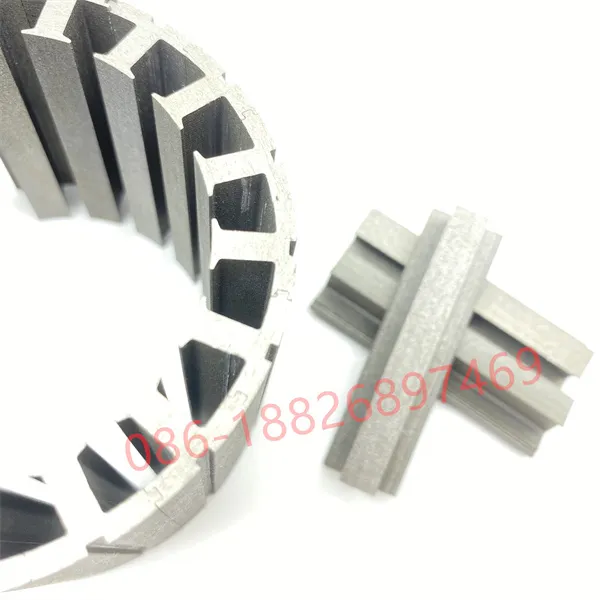
By dividing the annular stator geometry into distinct modular segments—such as Single-Tooth (T-Core), Tooth-Yoke Separated, or Multi-Tooth Blocks—manufacturers create an Open Slot Architecture. Coils can be pre-wound directly onto individual teeth using high-speed precision winding or Hairpin copper insertion before final circumferential assembly.
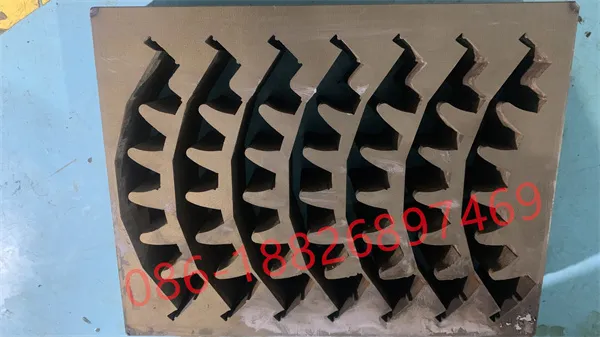
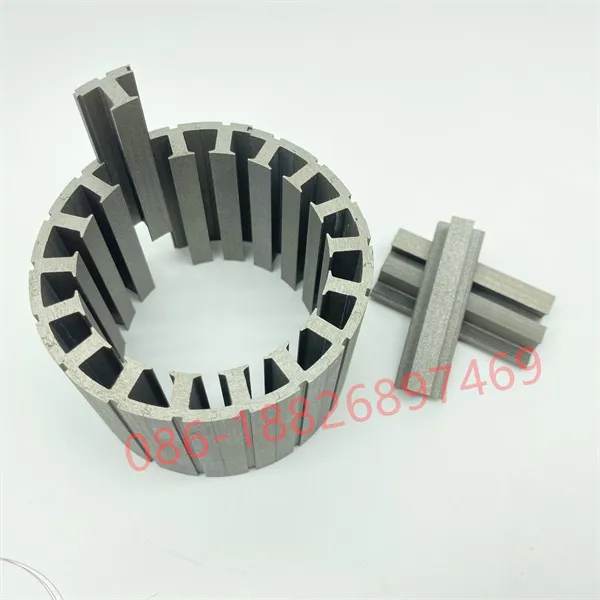
010Mm Ultrathin Silicon Steel Progressive Stamping Burr Control Carbide Progressive Stamping Die Segmented Stator Micron Precision Backlack thermal Bonding Curing Zero Overflow Stator Slot Backlack Self Bonding Lamination High Frequency Core Loss Reduction Three Stage Dynamic thermal Bonding Curve thermal Shock Test 010Mm 0.15Mm Backlack Silicon Steel thermal Bonding Mold Temperature Control Backlack Coating Integrity Interlaminar Insulation Resistance Test T Segment Tooth Stator Lamination Concentricity Roundness Control Hairpin Winding Segmented Stator Core High Slot Fill Factor Hydraulic Expanding Mandrel Segmented Stator Bonding Assembly Axial Flux Pancake Motor Segmented Stator Planar Runout Control Automated Segmented Stator Assembly Line Precision Tooth Alignment Vacodur 49 1J50 Soft Magnetic Alloy Precision Stamping Annealing Vacodur 49 Soft Magnetic Cobalt Iron Alloy Vacuum Annealing Ultrathin Electrical Steel Micro Lubrication Progressive Die Wear Prevention Dfm Strip Nesting Optimization Silicon Steel Material Utilization 010Mm Grain Oriented Non Oriented Silicon Steel Transformer Core Smc Soft Magnetic Composite Silicon Steel Hybrid 3D Stator Core 005Mm 0.15Mm Ultrathin Electrical Steel High Speed Motor Stator Iron Cobalt Alloy High Silicon Steel Medical Robot Semiconductor Core Ev Traction 800V High Voltage Backlack Segmented Stator Core Humanoid Robot Hand Joint Actuator Micro Segmented Stator Core Drone Propulsion High Speed Motor 010Mm Backlack Stator Core Semiconductor 12Inch Wafer Handling Backlack Stator Core Processing Aerospace High Temperature Resistant Backlack Bonded Motor Core Interlock Riveting Vs Laser Welding Vs Backlack Bonding Core Loss Comparison Backlack Self Bonding Technology Eliminates Stator Resonance Nvh Noise Axial Flux Helical Wound Core Vs Segmented Stator Bonding Comparison Interlaminar Shorting Prevention Backlack Ultrathin Insulation Coating Test Traditional Weld Seam Magnetic Circuit Degradation Vs Backlack Bonding

II. Segmented Stator Structural Typologies

Typology 1
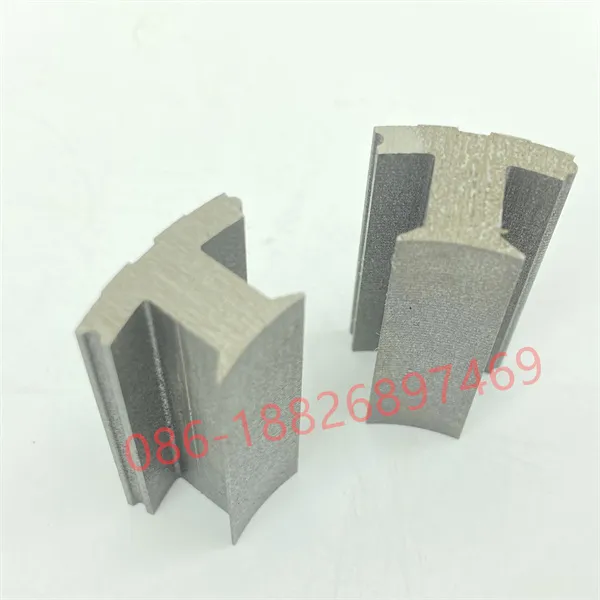
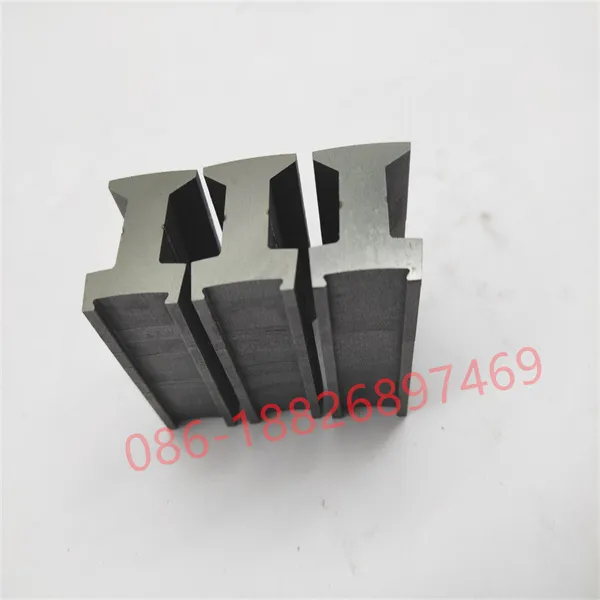
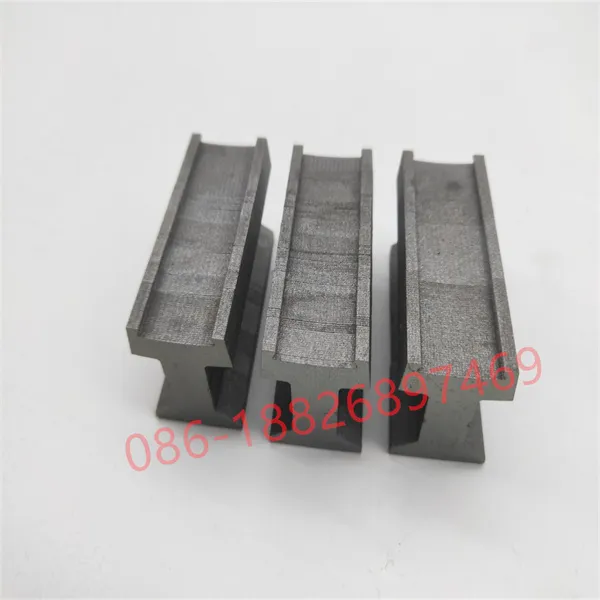
Single-Tooth Segment (T-Core)
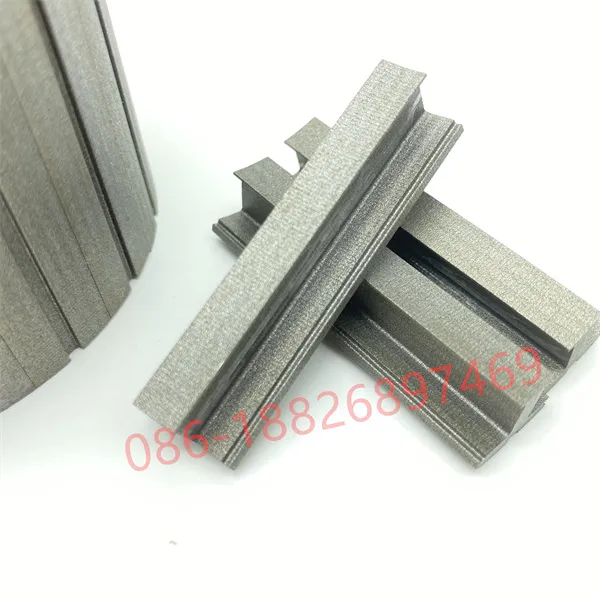
  • Features: Each tooth is individually stamped with integrated yoke joint.
  • Electromagnetic: Fully open winding space, boosting fill factor up to 88%.
  • Business: Compact stamping dimensions allow ultra-high nesting density.
  • Applications: Humanoid robotics, EV traction motors.
Typology 2
Tooth-Yoke Separated
  • Features: Teeth and yoke ring are manufactured as separate components.
  • Electromagnetic: Teeth are pre-wound and press-fitted into the outer yoke ring.
  • Business: Enables asymmetric steel pairing (e.g., 0.1mm steel teeth with standard yoke).
  • Applications: High-frequency industrial motors.
Typology 3
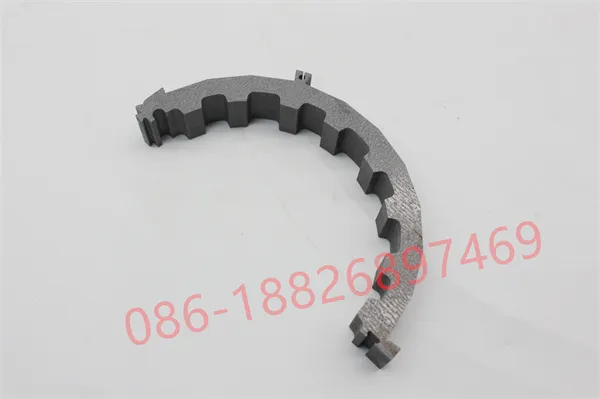
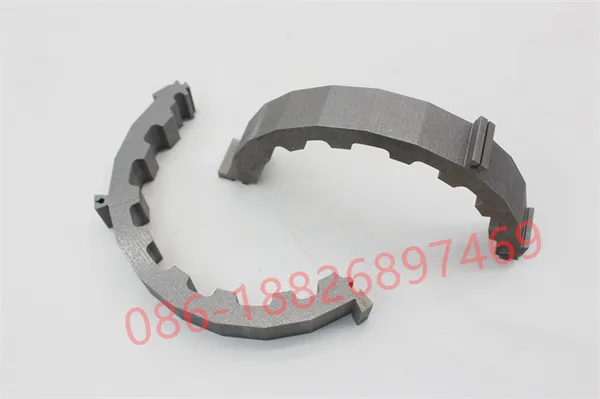
Multi-Tooth Segment
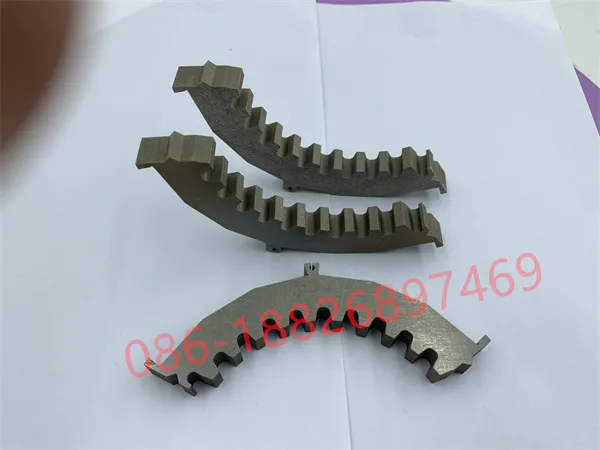
  • Features: Groups 2–4 teeth into a single modular segment.
  • Electromagnetic: Reduces total assembly joints, minimizing flux reluctance.
  • Business: Balances higher material yield with lower assembly labor costs.
  • Applications: Direct-drive torque motors, wind generators.
Performance Metric Single-Piece Ring Stator Segmented Stator Core Youyou Company Engineering Standard
Copper Slot Fill Factor 45% – 55% 70% – 85%+ Achieves up to 88% via direct precision pre-winding
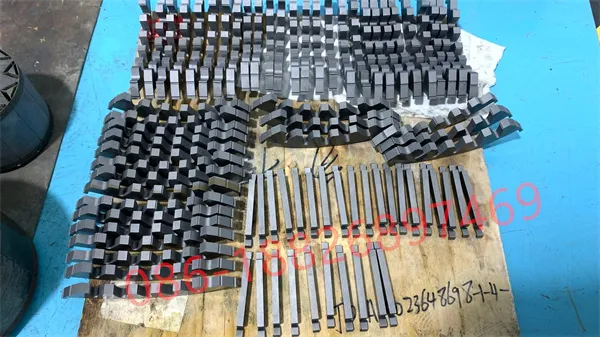
Material Yield (Strip Utilization) 40% – 50% 80% – 90% Optimized nested stamping reduces scrap by 35%
Lamination Stacking Loss Baseline (rivet/weld shorting) Minimizable with lap joints Backlack bonding prevents inter-sheet eddy shorting
Scalability (Large Diameters) Limited by die size & press tonnage Modular assembly Infinite diameter expansion via standardized tooling

III. Electromagnetic Losses & Material Engineering

To achieve high power density at high frequencies (e.g., >1,000 Hz in high-speed motors), core losses (Pcore) must be strictly controlled. Total core loss is expressed by the classical Bertotti equation:

Bertotti Core Loss Equation
Pcore = Phys + Peddy + Pexc = kh · f · Bn + ke · f2 · B2 · d2 + ka · f1.5 · B1.5
Where d is lamination thickness, f is frequency, and B is magnetic flux density. Notice that eddy current loss (Peddy) scales quadratically with lamination thickness (d2). Youyou Company specializes in processing ultrathin electrical steel grades (0.1mm, 0.15mm, 0.2mm) and soft magnetic alloys (e.g., Vacodur 49, 1J22/Permendur).
💡 The Role of Backlack (Self-Bonding) in Segmented Cores
Traditional interlocking dimples or laser welding along stator segment backs destroy the organic insulation coating between laminations, creating localized short-circuit paths for eddy currents.

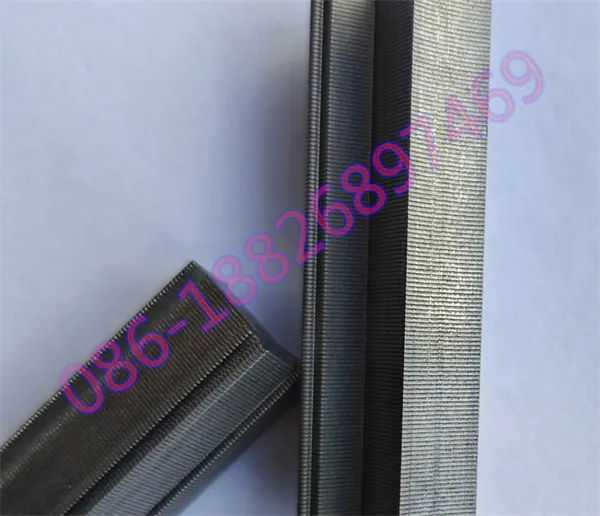
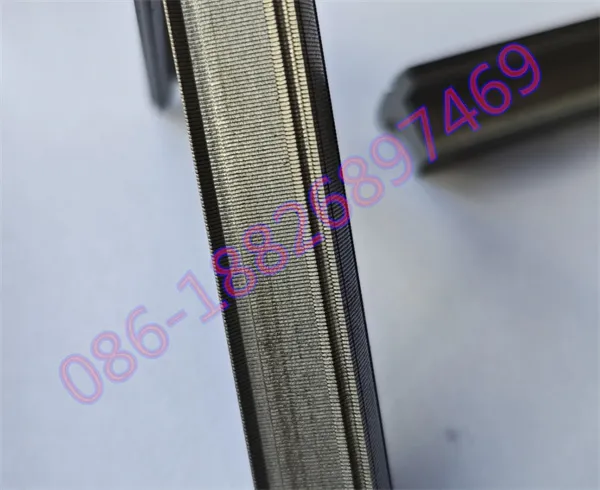
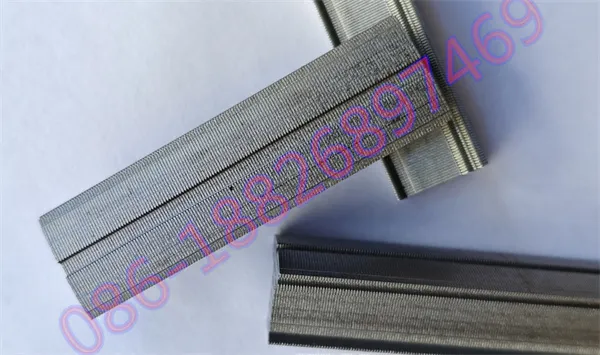
Youyou Company's Backlack Process: We utilize silicon steel pre-coated with B-stage self-bonding epoxy. Stamped segments are stacked and heat-cured under precise pressure profiles. The resulting stack has zero rivets, zero welds, and 100% inter-sheet insulation, lowering high-frequency core loss by 10% to 20% while offering superior structural rigidity and vibration damping.

IV. Precision Joining Geometry & NVH Countermeasures

A primary engineering challenge in segmented stators is the introduction of microscopic joint air gaps (5–15 μm) and tooth pitch variation, which can induce magnetic reluctance and severe NVH (Noise, Vibration, and Harshness).

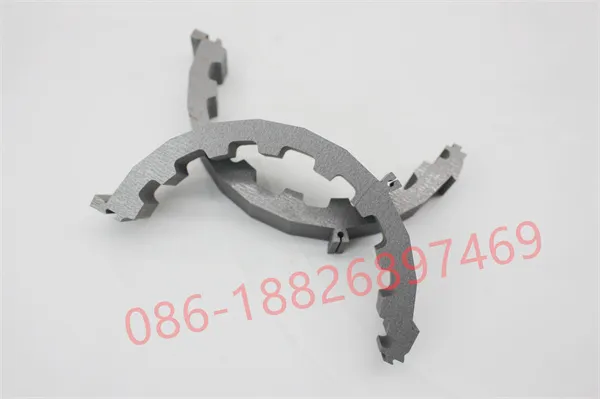
To eliminate magnetic reluctance caused by joint air gaps, laminations are stacked in an alternating lap-joint configuration. The seam gap of Layer 1 is offset and covered by the continuous steel body of Layer 2, allowing magnetic flux to smoothly "bypass" the gap via adjacent layers.

  • Progressive Die Tolerances: Stamping die tolerances are held within ±0.002 mm (±2 μm) to guarantee uniform tooth pitch.
  • Housing Heat Shrink Fit: Assembled segmented stators are radially compressed inside the motor housing via heat shrink fitting or high-thermal resin potting, eliminating joint compliance and neutralizing cogging torque harmonics.
  

About Youyou Company

As a specialized precision motor core processing manufacturer in China, Youyou Company delivers state-of-the-art 0.10mm–0.20mm ultrathin progressive stamping and advanced Backlack self-bonding lamination solutions. We specialize in Segmented Stator Lamination Stacks (T-Segment teeth), engineered to maximize slot fill factors (up to 88%) for hairpin windings, eliminate interlaminar shorting, and achieve 10%–20% iron loss reduction—delivering maximum torque density and thermal efficiency for global OEMs and Tier-1 suppliers.

Whether you are developing next-generation EV traction motors, humanoid robot joint actuators, high-speed drone propulsion, or semiconductor handling systems, our end-to-end manufacturing capabilities have you covered. Contact our engineering team for 3–5 day rapid prototyping, Backlack thermal bonding trials, DFM strip nesting analysis, and custom soft magnetic alloy (Vacodur 49 / 1J50) core processing.

Ready to Upgrade Your Motor Power Density & Cost Efficiency?

Core Capabilities: Segmented Stator & T-Segment Lamination, 0.10mm Ultrathin Electrical Steel Stamping, Backlack Self-Bonding Technology, Cobalt-Iron Alloy Cores, Hairpin Winding Stators, and Fast-Turn DFM Prototyping.
REQUEST CONSULTATION
 

Quality Control for Segmented Stator Lamination & T-Segment Cores

As a precision motor core manufacturer, Youyou Company enforces strict QC protocols to deliver zero-defect, high-torque-density soft magnetic stacks:

0.10mm Material & Backlack Inspection: Strict checks on 0.10mm–0.20mm electrical steel and B-stage epoxy coating to guarantee high insulation resistance and eliminate eddy-current losses.

±2μm Stamping & Assembly Precision: Progressive carbide dies hold punching tolerance within ±0.002mm (burr ≤5μm). Expanding mandrels ensure assembled stator concentricity ≤0.01mm.

Backlack Shear Strength & Zero-Overflow Slots: AOI guarantees zero surface defects, while custom tooling ensures strong bonding (>12 MPa) and 100% clean, overflow-free slots for hairpin winding.

AC Core Loss & Magnetic Validation: B-H curve and AC loss testing confirm 10%–20% lower iron losses under high frequencies compared to riveted or welded stators.

Quality Control For Segmented Stator Lamination and T-Segment Cores

FAQS

Technical answers on Segmented Stator Lamination, T-Segment design, Hairpin winding compatibility, and Backlack precision manufacturing.

Ultra-thin silicon steel and cobalt-iron alloys require extreme clearance precision. We utilize carbide progressive dies with shearing clearances kept within 3%–5% of sheet thickness, maintaining stamping burrs within ≤ 5 μm. For stress-sensitive alloys, we provide post-stamping vacuum protective atmosphere annealing to fully restore magnetic permeability.

We utilize proprietary slot-sealing bonding tools paired with a dynamic three-stage temperature and pressure profile. This guarantees a high shear strength of >12 MPa at RT and >6 MPa at 150°C, while keeping slot interiors 100% clean and overflow-free, ensuring zero risk of wire insulation damage during subsequent winding.

Stamping tolerances are held to ±0.002mm using progressive dies. During stacking, we apply lap-joint overlap stacking to negate individual thickness variations, followed by radial clamping using high-precision hydraulic expanding mandrels. This guarantees an assembled concentricity of ≤ 0.01mm and air gap seams below 8 μm.

We offer a fast-turn prototyping service with deliveries in 3 to 5 business days using wire-EDM/notch stamping and specialized Backlack fixtures without expensive tooling. Our engineering team also provides DFM optimization to increase strip yield up to 85%+, delivering significant raw material cost savings before mass production.

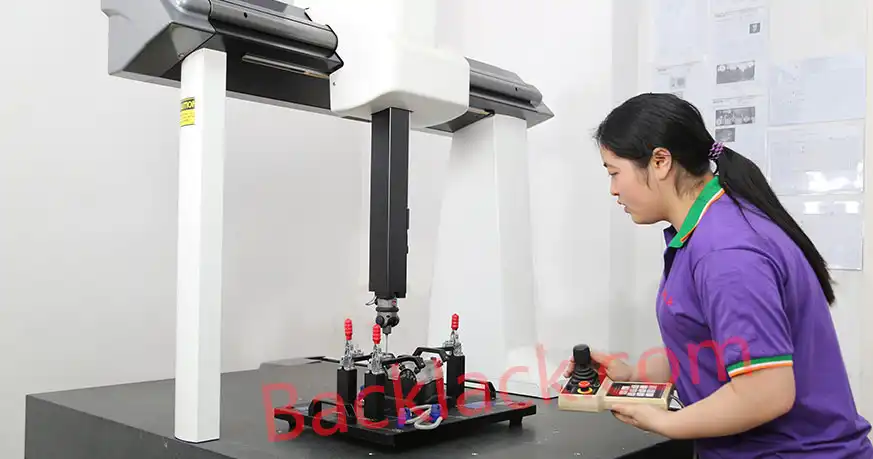
Every production batch undergoes 100% strict inspection, including CMM dimensional verification, shear bond testing, and AC iron loss testing via specialized core testers. Stacks are also subjected to 500 thermal shock cycles (-40°C to +180°C) to ensure long-term delamination-free reliability.

Are You Ready to Overcome Segmented Stator Bottlenecks & Maximize Motor Torque Density?

Start Your Custom Segmented Stator & T-Segment Core Project Today

Looking for a trusted precision motor core manufacturer in China specializing in Segmented Stator Laminations, 0.10mm ultrathin Backlack self-bonding stacks, T-segment tooth processing, and carbide progressive stamping? Look no further! Whether you are engineering high-torque actuators for EV traction, humanoid robot joint drives, high-speed drone propulsion, or semiconductor handling systems, Youyou Company delivers tailored, high-density soft magnetic core solutions optimized for Hairpin winding integration (slot fill factor up to 88%). We strictly cap end-face planar runout within ≤ 0.008mm and stack roundness within ≤ 0.01mm—completely eliminating air-gap non-uniformity and rotor-stator rubbing.

Contact our engineering team today to get a 3–5 day rapid prototyping quote and DFM nesting analysis for your custom Segmented Stator & T-Segment Cores!

Get Your Custom Quote Now