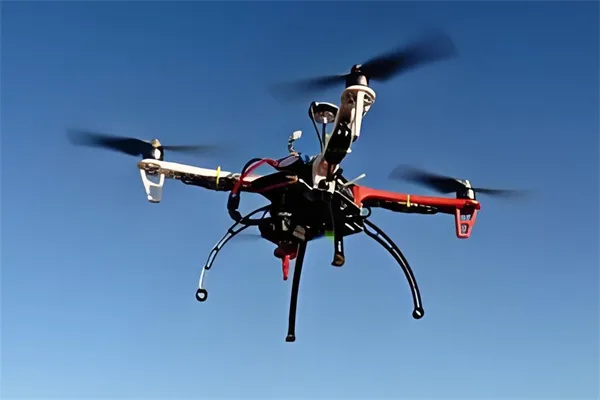
In the development of consumer aerial photography drones, FPV racing drones, and industrial agricultural or logistics UAVs, engineers are constantly locked in a race against two core metrics: how to maximize output power within a strictly limited weight and volume, and how to minimize motor temperature rise during prolonged hovering and heavy-load operations.
As a specialized manufacturing plant for precision motor stator and rotor cores (Youyou Company), we spend our days in stamping workshops, thermal-pressing toolings, and testing laboratories. Most frequently, we discuss with motor R&D teams how to break through motor performance bottlenecks starting right from the "heart" of the motor—the stator and rotor core.
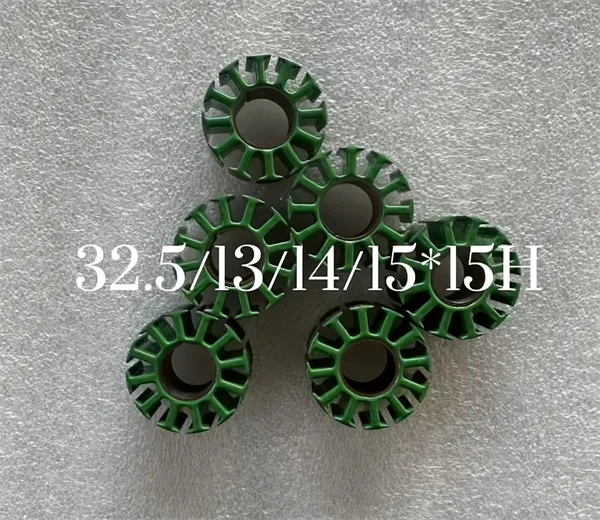
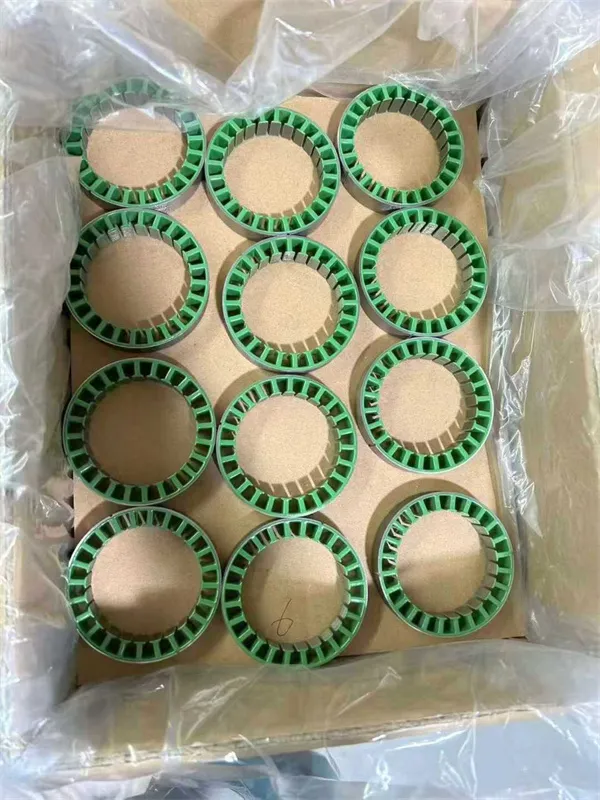
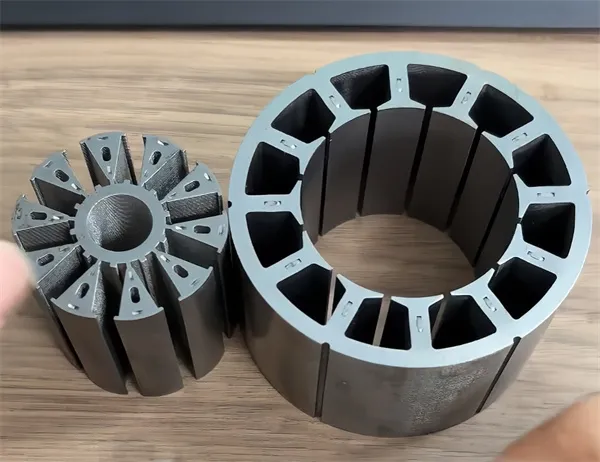
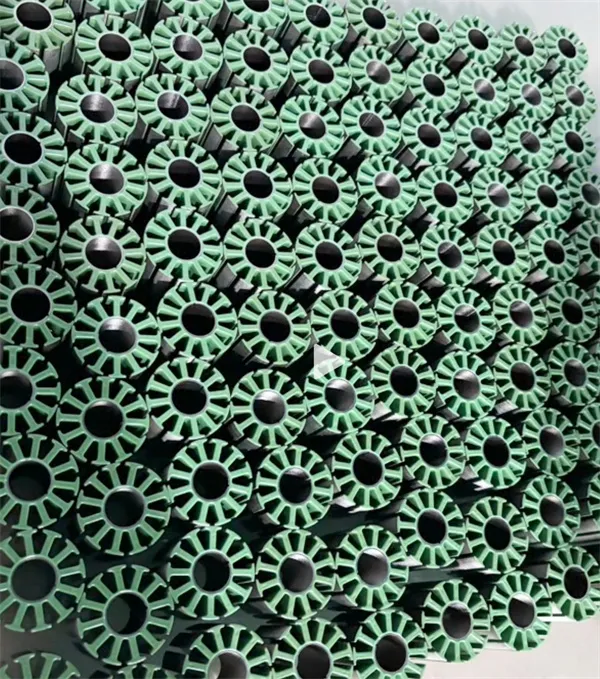
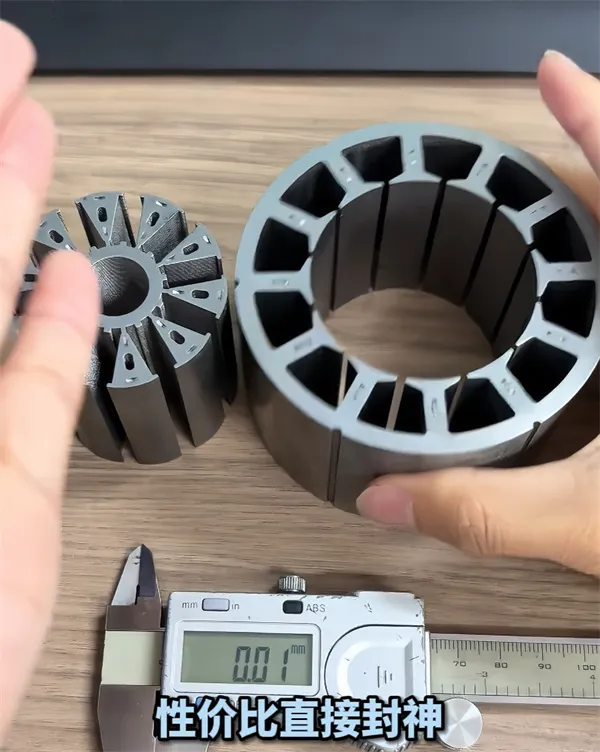
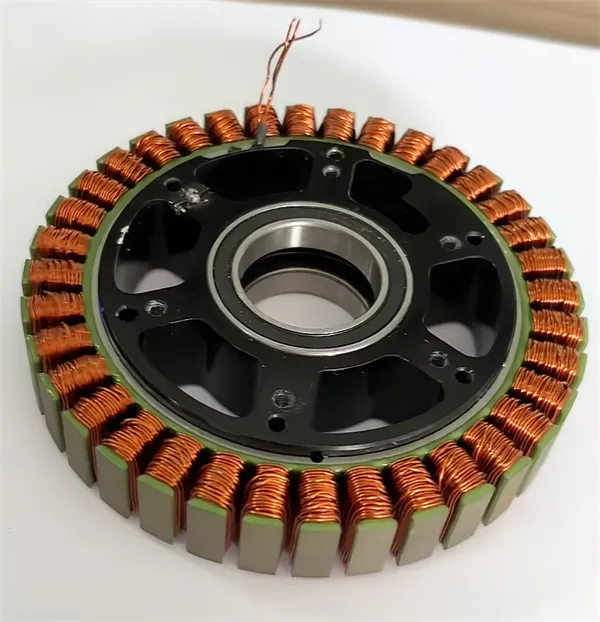
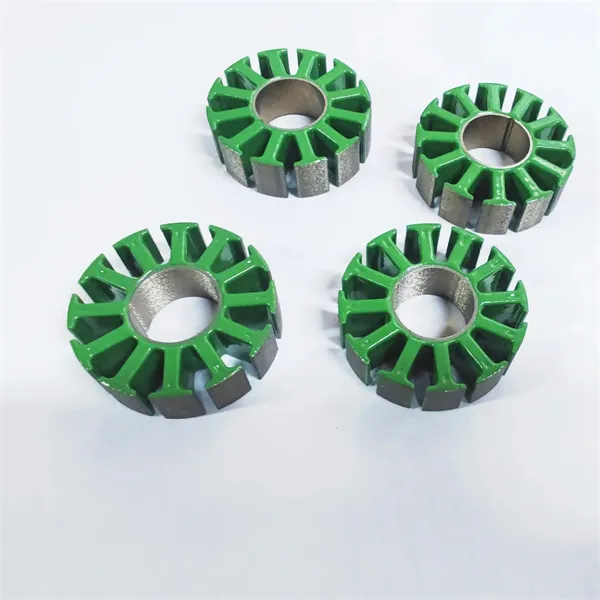
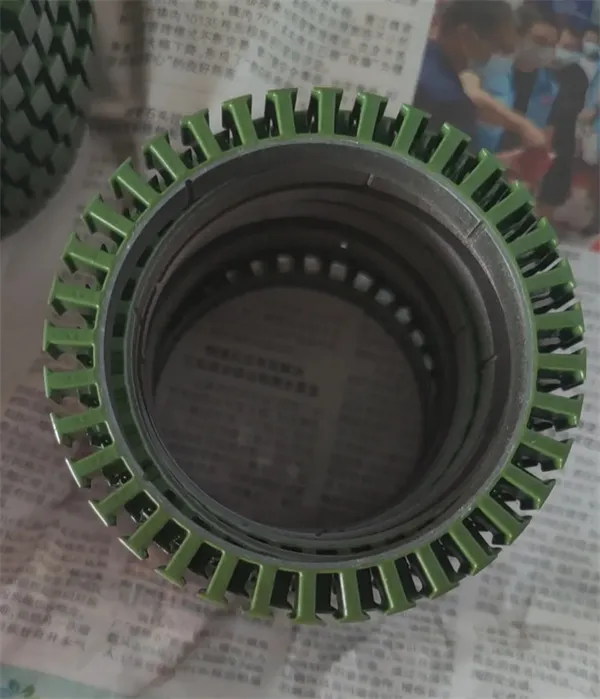
As the demand for high rotational speeds, high power density, and lightweight designs in drones grows exponentially, traditional stacking methods are showing their limits. An increasing number of cutting-edge projects are fully transitioning to Self-Bonding Stator & Rotor solutions. However, in actual implementation, we find that: Even with self-bonding technology, minor differences in processing details lead to substantial variations in bench test temperature rise, high-frequency efficiency, and structural reliability.
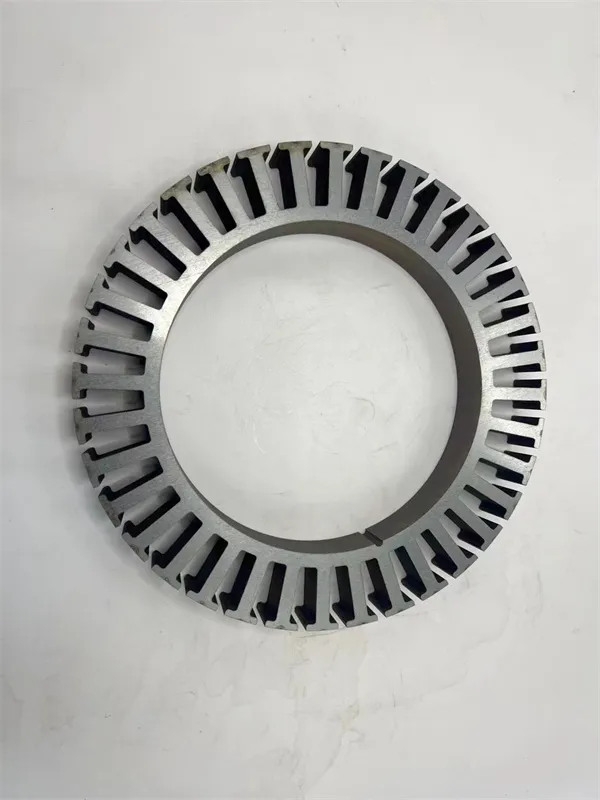
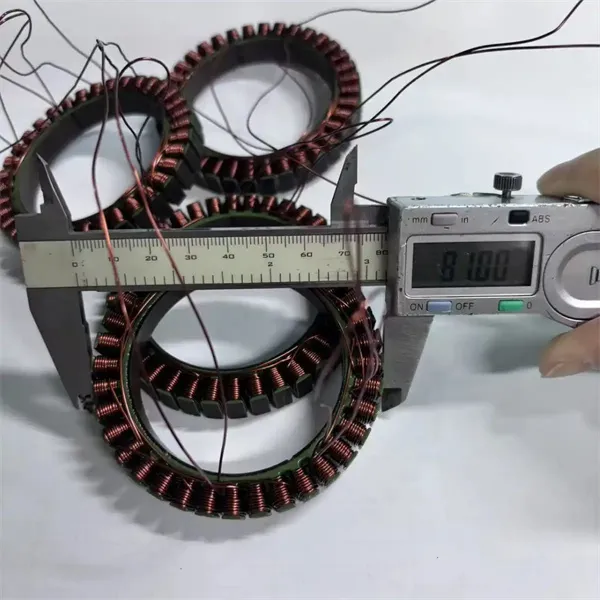
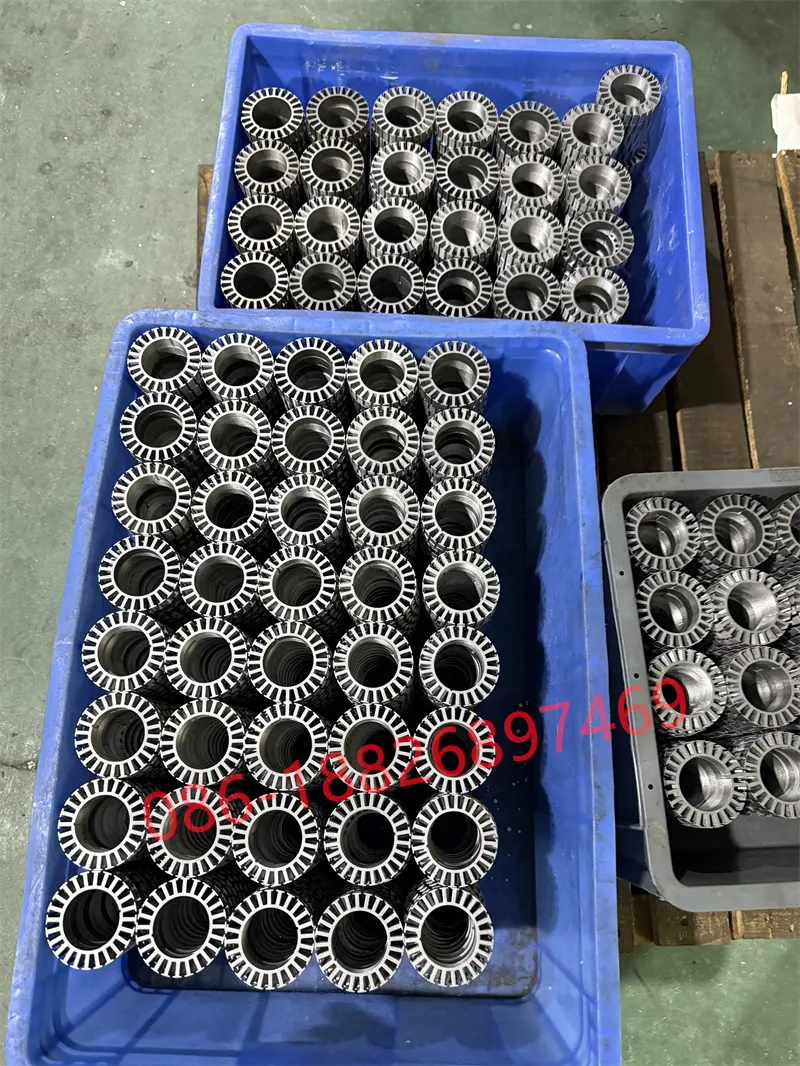
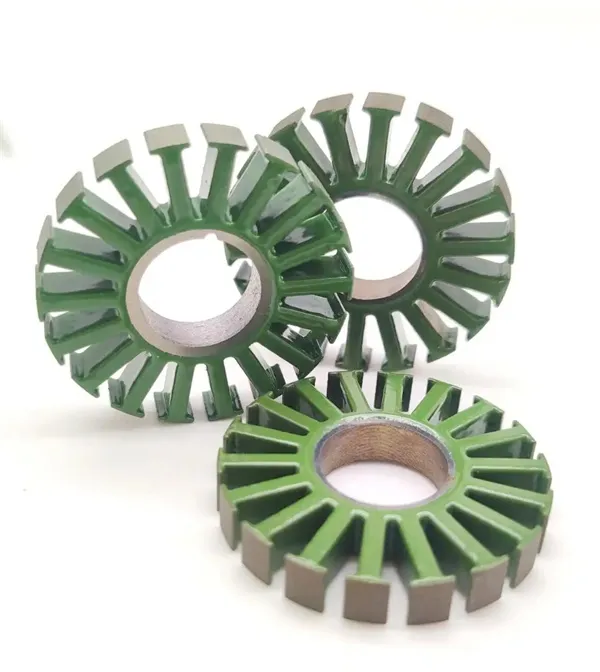
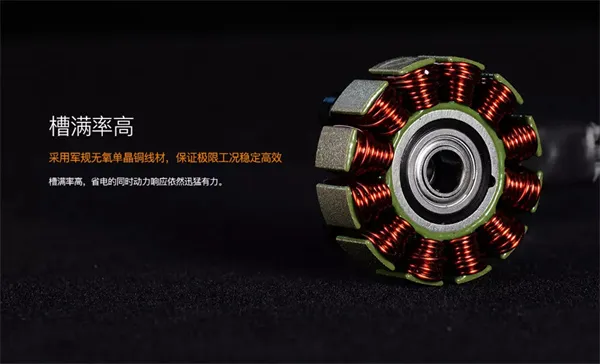
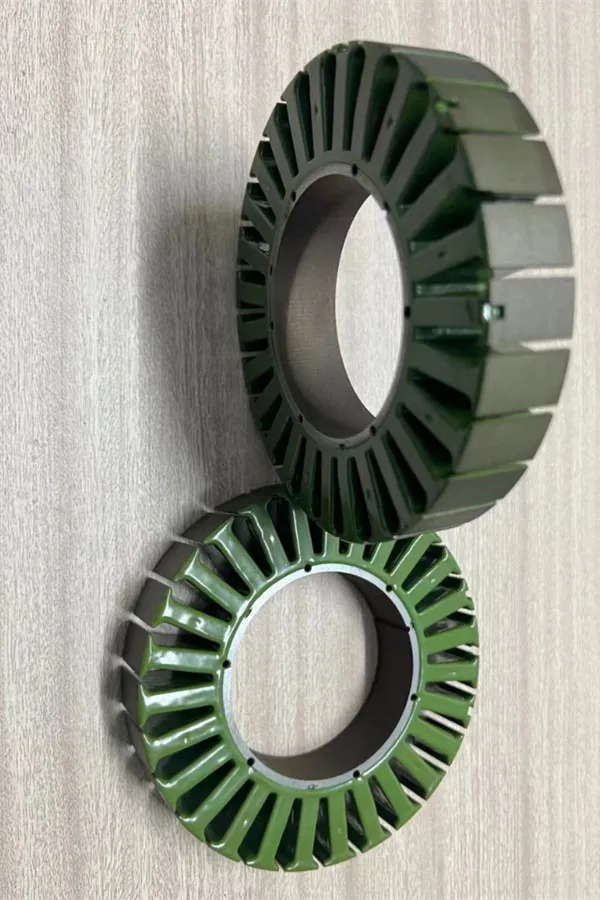
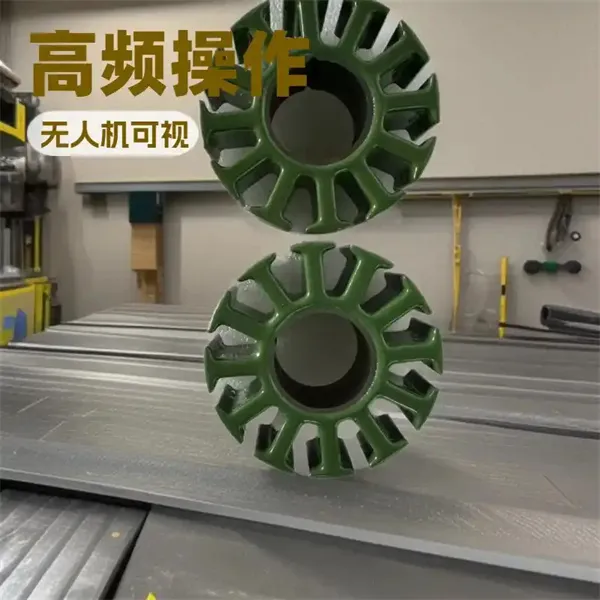
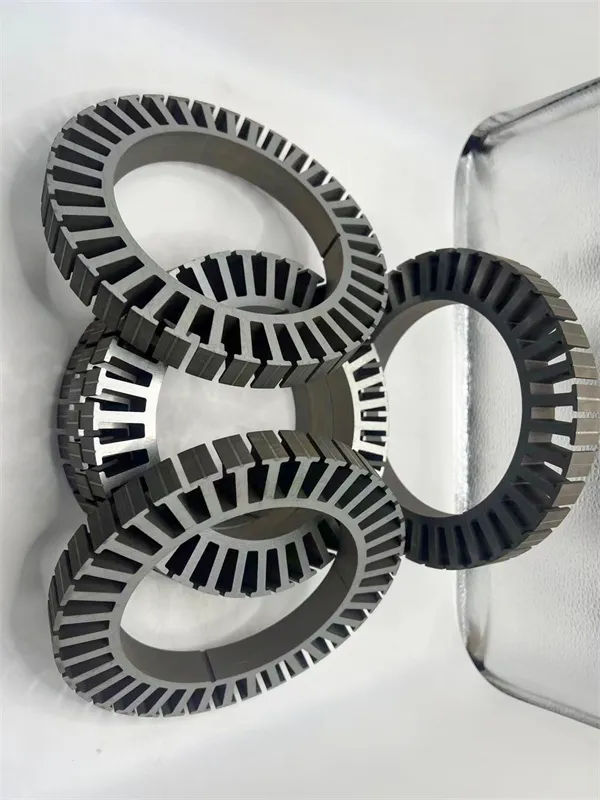
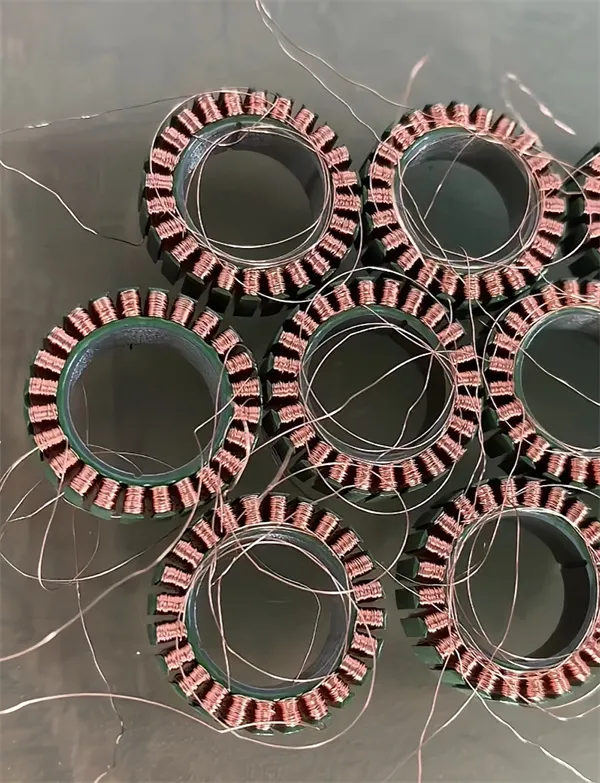
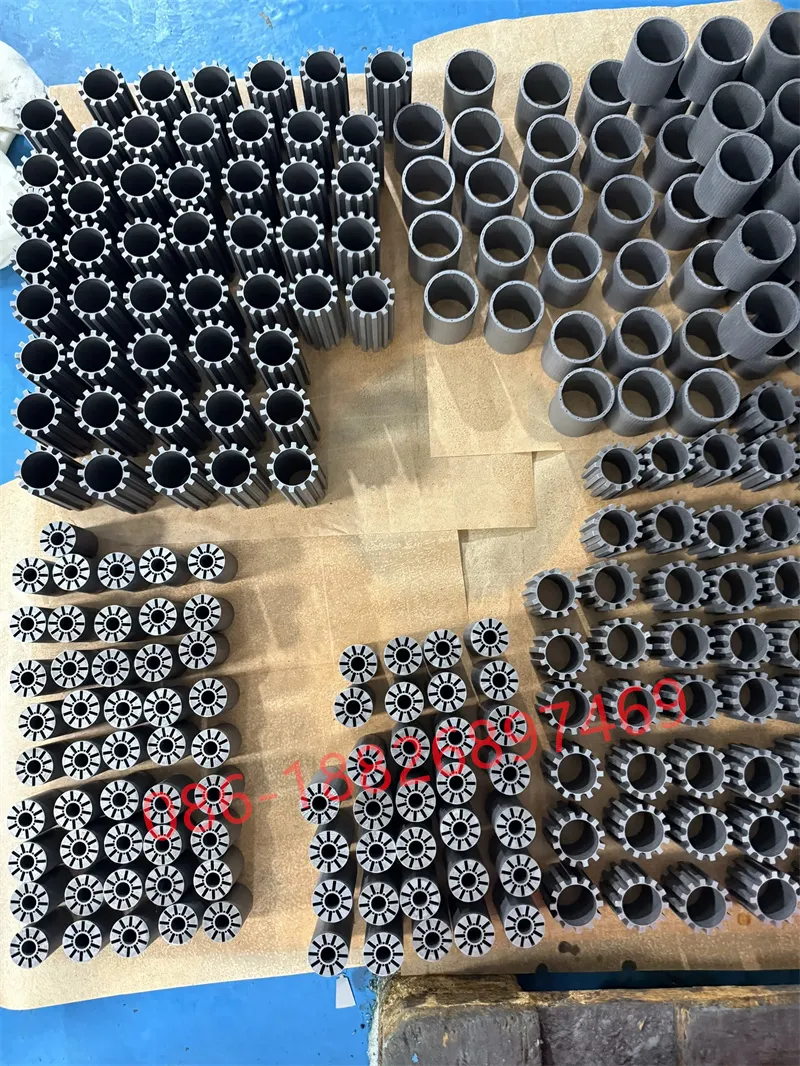
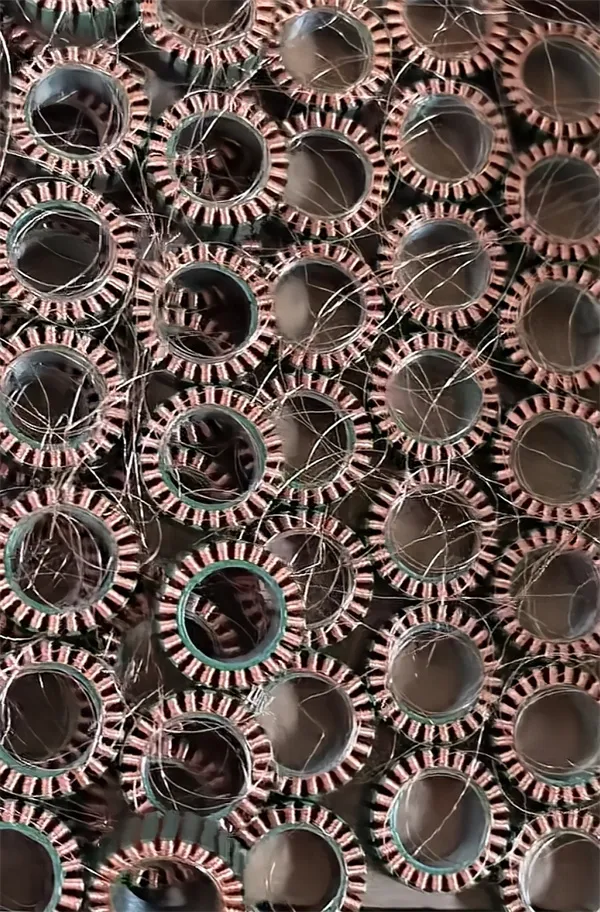
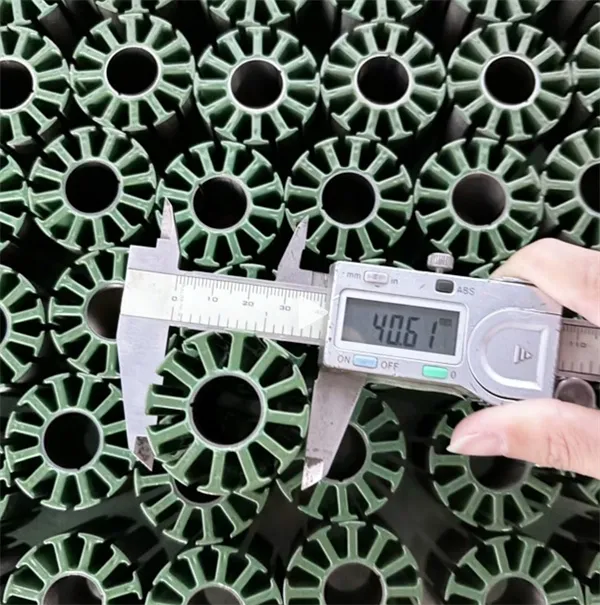
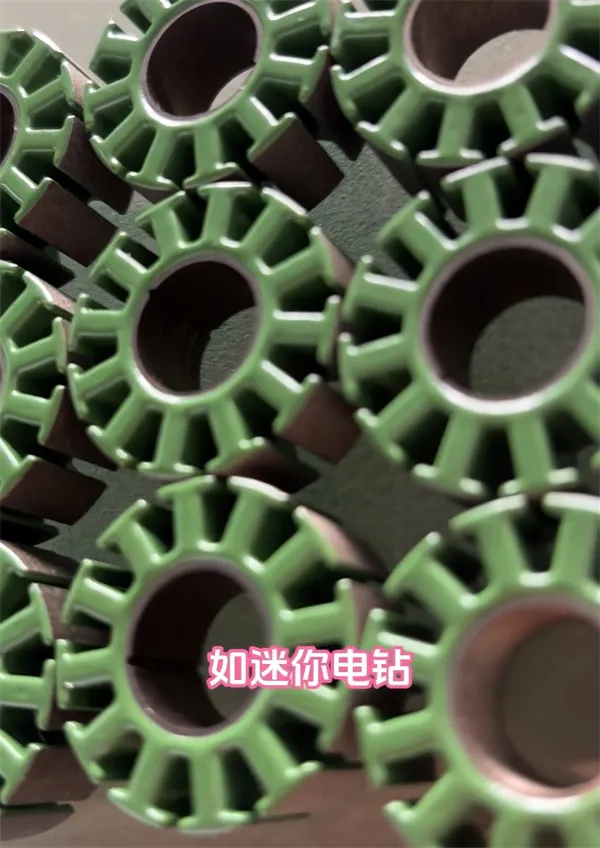
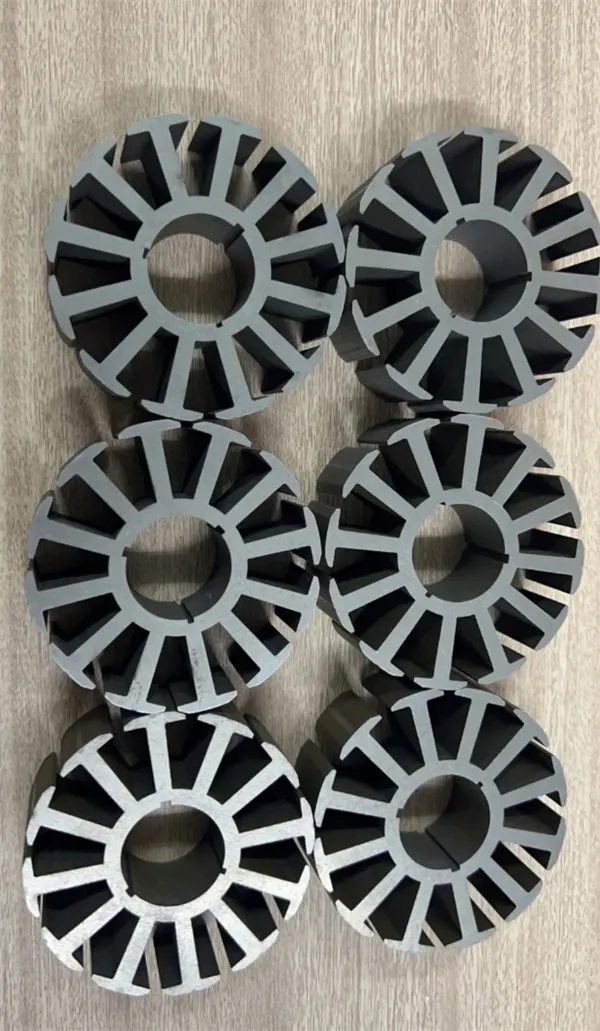
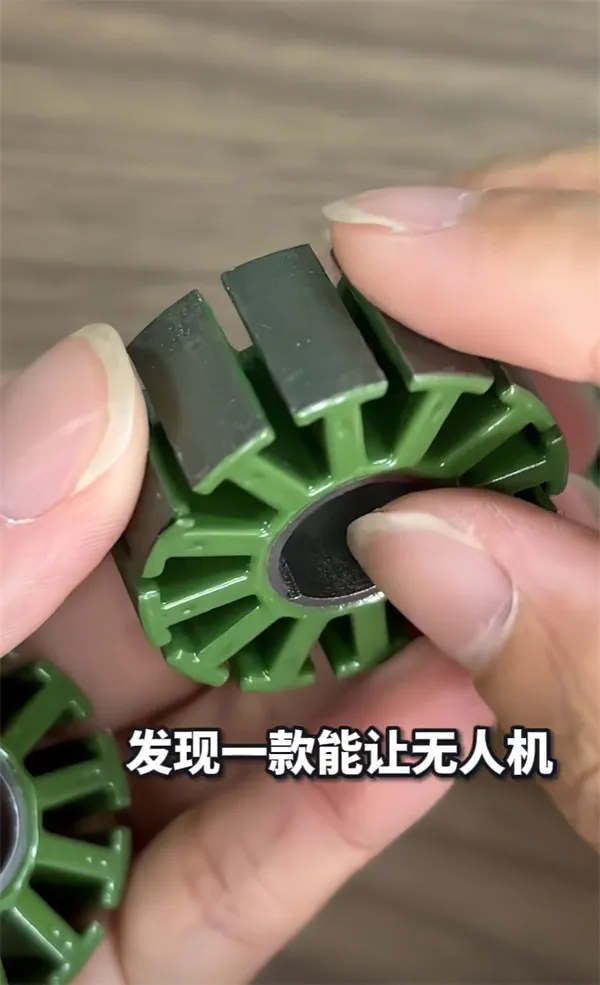
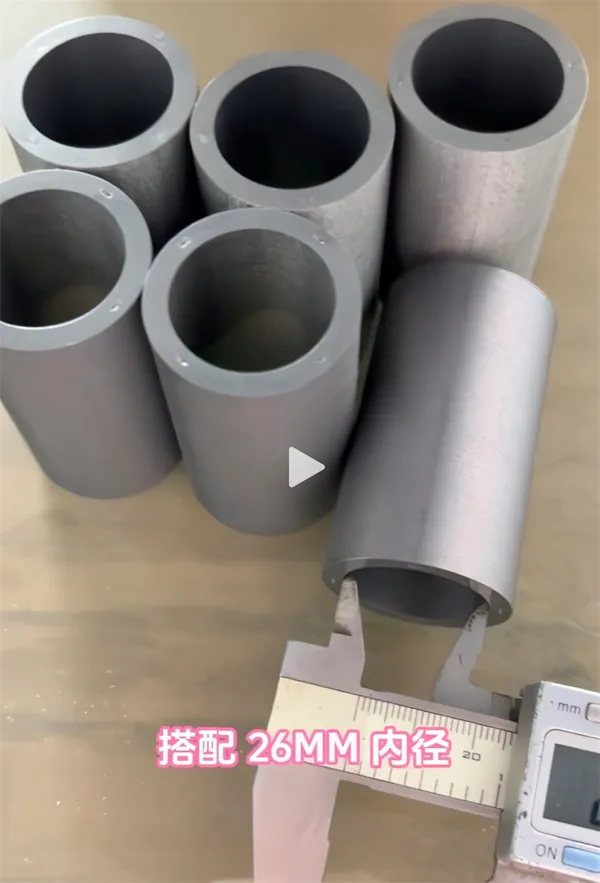
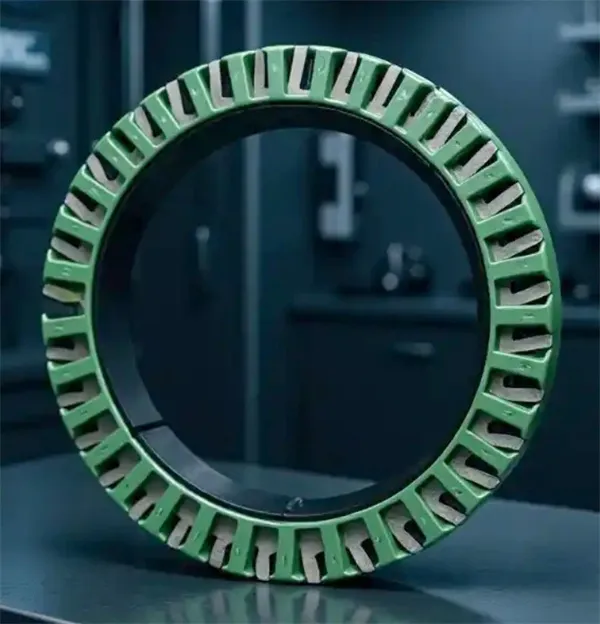
I. Why High-End Drone Motors Strongly Favor "Self-Bonding" Solutions
Traditional stator and rotor stacking methods (such as interlocking tabs, spot welding, or glue bonding) are widely used in standard motors. However, under the high-speed, high-frequency, and high-power-density operating conditions of drones, self-bonding technology offers undeniable processing and physical advantages:
1. Eliminating Redundant Structures to Maximize Slot Fill Factor
By removing interlocks and weld seams, the magnetic circuit becomes smoother, and the effective space inside the stator slots is completely liberated. As the processor, we can treat the inner slot walls to be exceptionally smooth and uniform, creating ideal conditions for high slot fill factor winding, allowing the motor to handle higher currents and torque within the same volume.
2. Unleashing the High-Frequency Performance of 0.10mm Ultra-Thin Silicon Steel
To suppress eddy current losses caused by high-frequency alternating magnetic fields in drone motors, the industry widely adopts ultra-thin specifications like 0.10mm. Self-bonding relies on an extremely thin insulating varnish layer that cross-links under thermal pressing, avoiding the mechanical deformation damage caused by traditional riveting and perfectly preserving the material's low-loss properties.
3. Integral Structure to Withstand High-Frequency Vibrations and Centrifugal Forces
Thermal-pressed self-bonding cores form a robust monolithic structure at the molecular level. During high-speed rotation of tens of thousands RPM or fierce attitude transitions (such as aggressive FPV maneuvers), microscopic interlayer displacement is prevented, effectively reducing electromagnetic noise and mechanical resonance.
II. Premium Material Inventory: Zero-Wait Support for High-End R&D
Many motor R&D teams struggle during the prototyping phase due to long procurement lead times or small batch unavailability for top-tier materials. To help clients quickly validate ultimate performance, Youyou Company maintains regular stock of the following high-end soft magnetic materials for prompt self-bonding thermal pressing:
| Material Model | Core Material Properties | Typical Drone Application Scenario |
|---|---|---|
| JFE 10JNEX900 0.10mm Ultra-Thin High-Silicon Steel |
Extremely low high-frequency iron loss
High magnetic induction&efficiency
|
FPV Racing/High-Speed
Solves severe motor heating&demagnetization under high-frequency ESCs. |
| VAC VACODUR 49German VAC Cobalt-Iron Alloy |
Bs up to 2.3T saturation magnetic flux
Maximum power density&torque
|
Heavy Logistics/Industrial
Pursues ultimate thrust and power-to-weight ratio in tightest volumes. |
III. From Prototyping to Mass Production: 4 Core Engineering Controls
As an iron core processing factory, turning blueprints into high-quality physical products relies on strict, precision-controlled manufacturing processes:
Precise Slot Resin Overflow Control
Self-bonding varnish flows during thermal pressing. Improper mold pressure or temperature profiles can cause excess resin to overflow into stator slots, creating micro-burrs that risk scratching magnet wires.
Plant Solution: Utilizing custom-designed slot anti-overflow pressing toolings and stepped curing curves to control overflow to the micron level.
0.10mm Ultra-Thin Sheet Edge Burrs & Interlayer Insulation
When utilizing high-performance thin sheets like JFE 10JNEX900 or VACODUR 49, edge burrs can short-circuit the interlayer adhesive insulation.
Plant Solution: Adopting stress-free precision machining and post-micro-deburring processes to guarantee sheet shape accuracy while maintaining standard electrical insulation resistance.
Temperature Resistance & Hot Shear Strength
Under extreme thrust or prolonged hovering, internal drone motor temperatures can spike to 120℃–150℃. Insufficient thermal rating causes core structural failure.
Plant Solution: Strictly selecting Class H (180℃) and higher high-crosslinking self-bonding coatings, backed by hot shear strength testing during production runs.
Concentricity and Dynamic Balance Control
Stacking concentricity and parallelism directly impact vibration levels (such as "jello effect" in aerial footage).
Plant Solution: Utilizing high-precision positioning arbors and dedicated clamping jigs during thermal curing to limit batch stacking concentricity strictly within 0.01mm–0.02mm.
IV. Youyou Company: Your One-Stop Custom Self-Bonding Solution
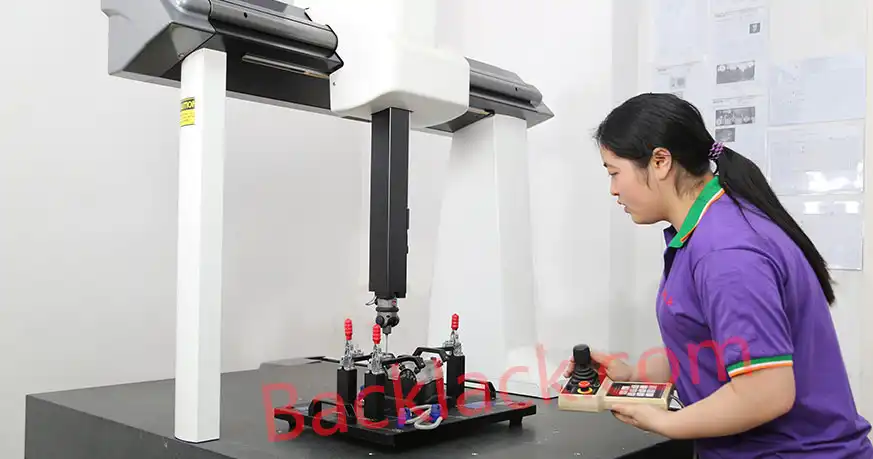
As an experienced precision iron core manufacturing plant, Youyou Company deeply understands the core demands of drone R&D teams: rapid response, high precision, and traceable quality.
Zero-Wait Prototyping
Immediate inventory of 10JNEX900 and VACODUR 49 for rapid engineering sample delivery.
Complex Geometries
Expertise in ultra-thin steels, skewed slots, and segmented stator thermal pressing.
Process Parameters
Real-time temperature, pressure, and time monitoring for unmatched consistency.
About Youyou Company
As a specialized motor core lamination manufacturer, Youyou Company provides precision drone stator and rotor core solutions engineered to overcome thermal limits, eddy current losses, and structural centrifugal stress in high-RPM UAV & Drone Brushless Motors, FPV racing drives, and heavy-payload aerial powertrains. By integrating in-stock 0.10mm JFE 10JNEX900 Ultra-Thin Silicon Steel and high-saturation VAC VACODUR 49 Cobalt-Iron Alloys with Low-Stress Wire EDM Motor Core Prototyping and Backlack In-Mold Self-Bonding Stator technology, we empower global drone drive engineers to achieve maximum slot fill, zero-stress magnetic paths, and superior thrust-to-weight performance.
Ready to Elevate Your Drone Motor Stator & Rotor Core with Backlack Bonding?
Submit your drone motor design specifications or lamination drawings for a comprehensive DFM Feasibility Assessment, Backlack self-bonding consultation, or rapid prototyping (5–7 days lead time using in-stock 10JNEX900 / VACODUR 49 via Low-Stress Wire EDM).